Home / MYP 4
Year 10 Mathematics (MYP 4)
Units
Mint units are the ones studied so far
Orange units are the ones we are working on now
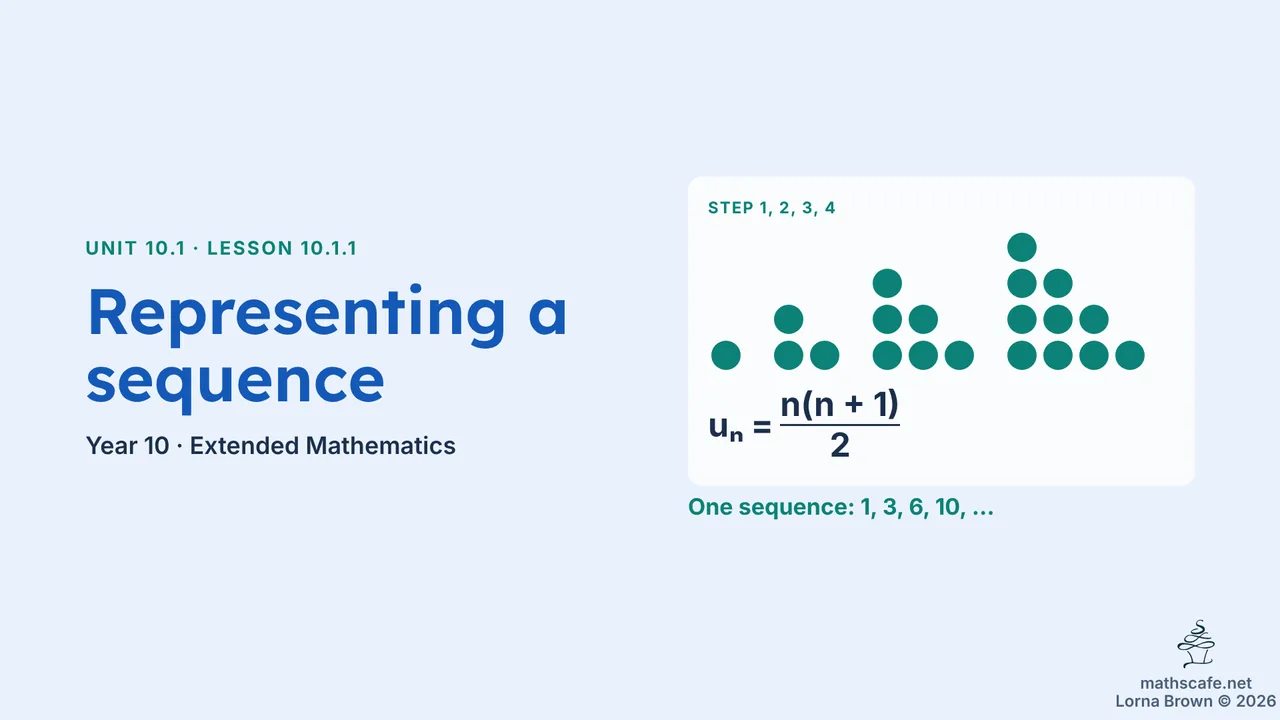
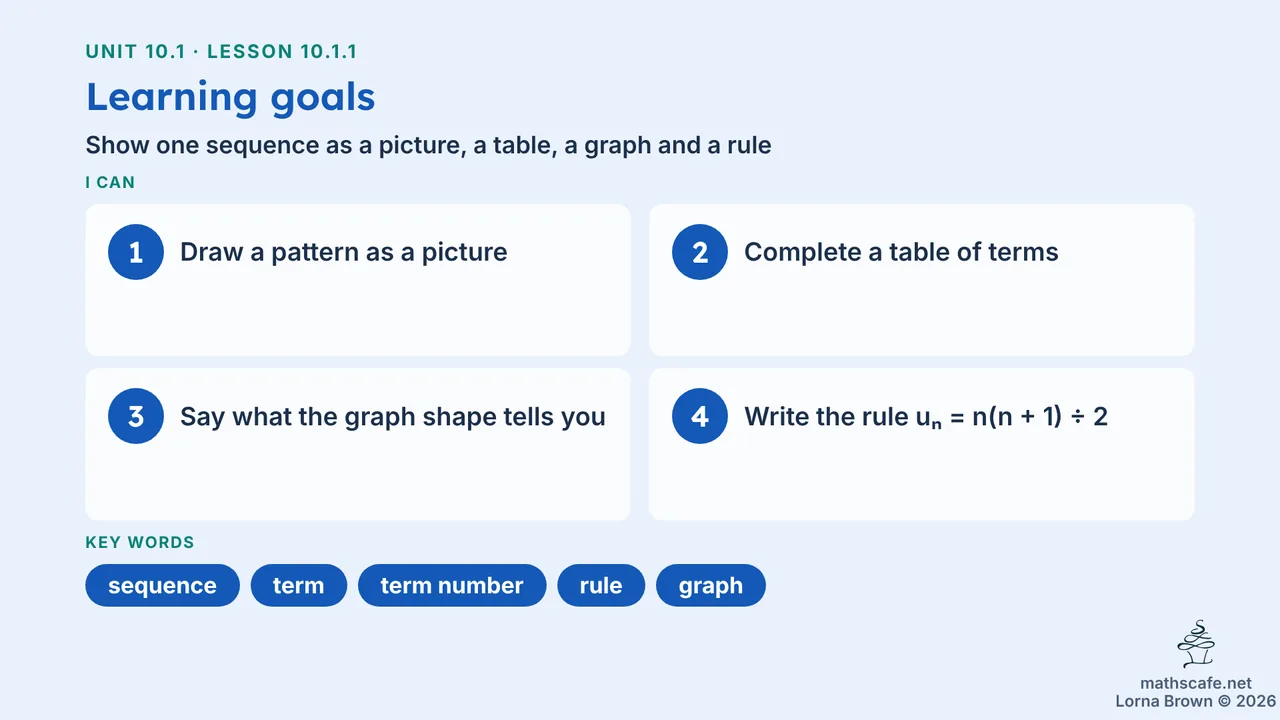
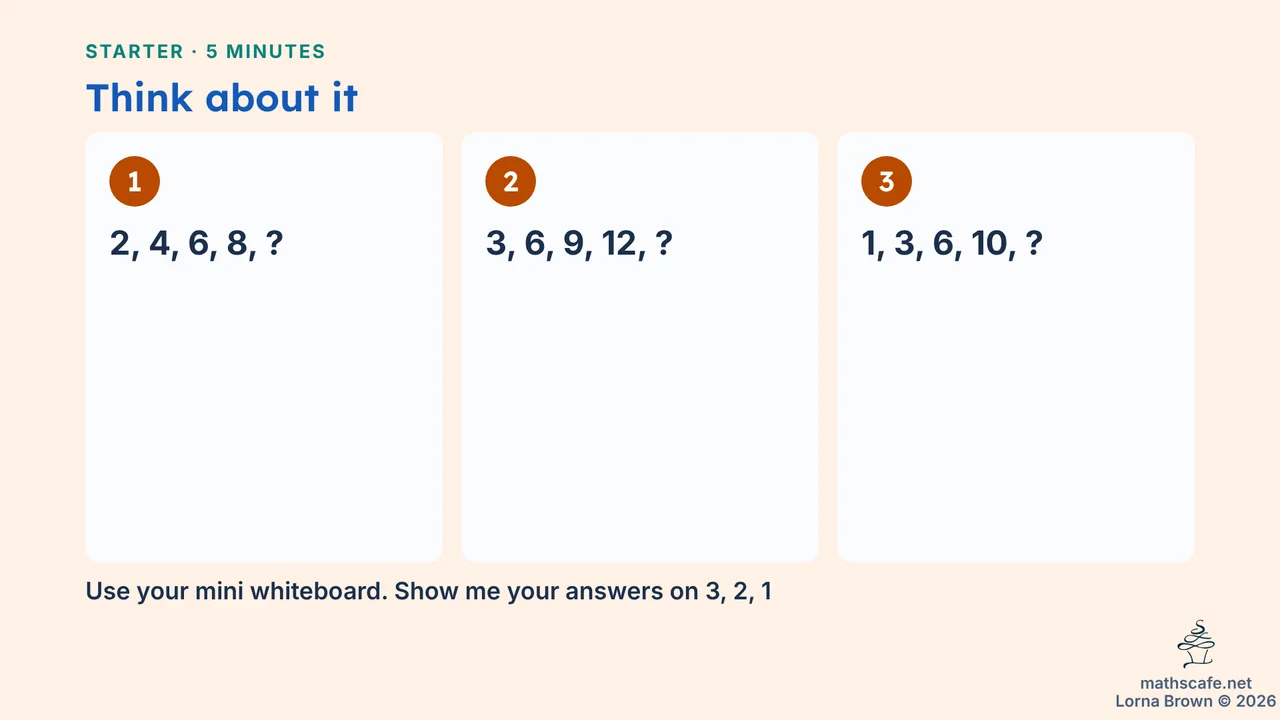
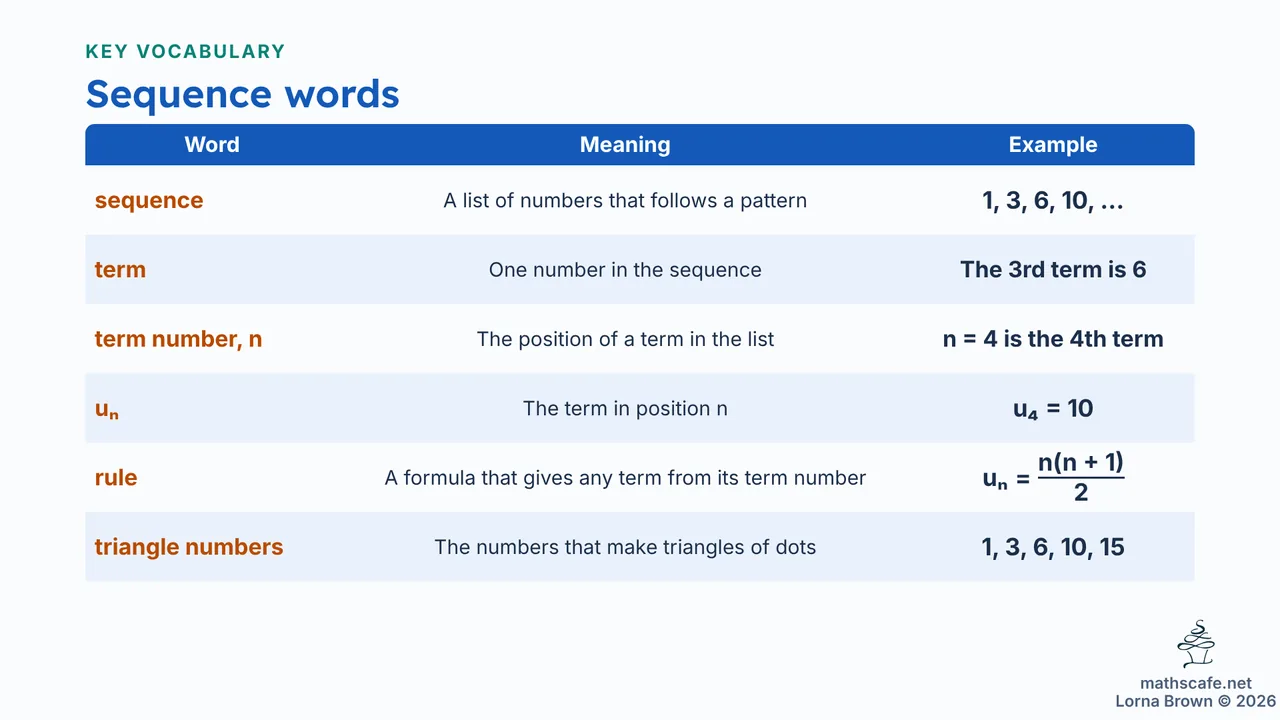
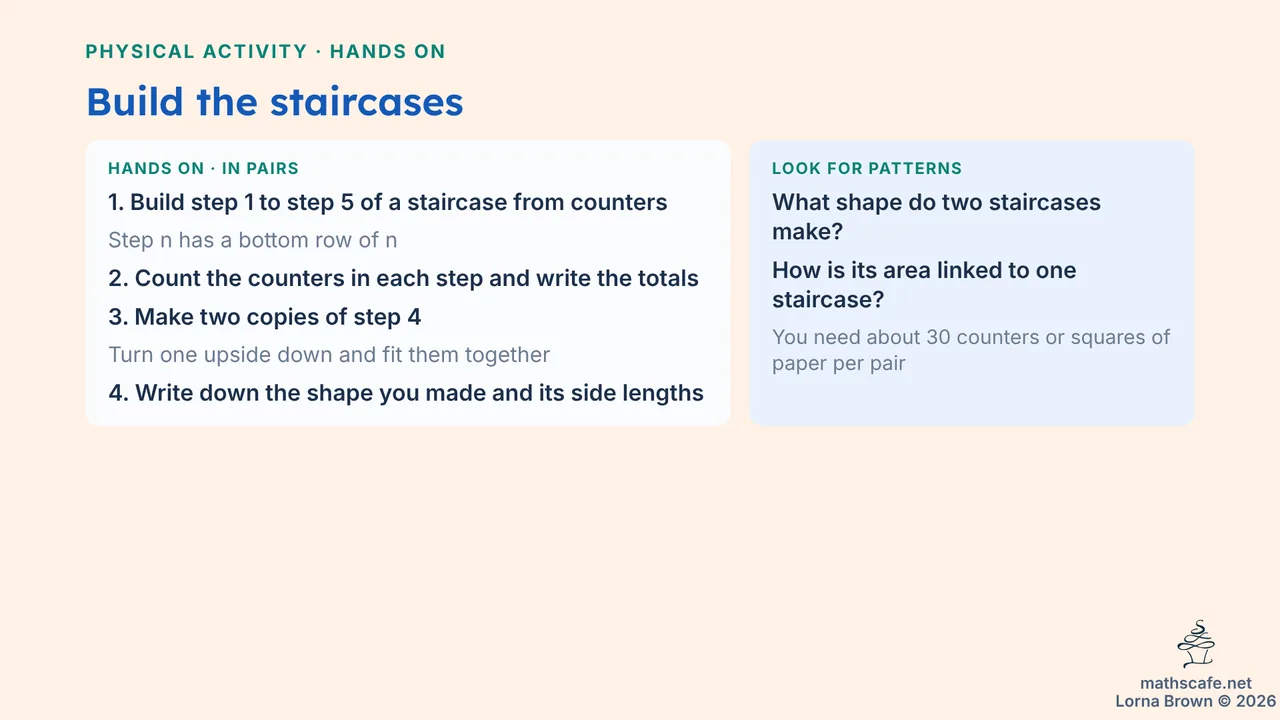
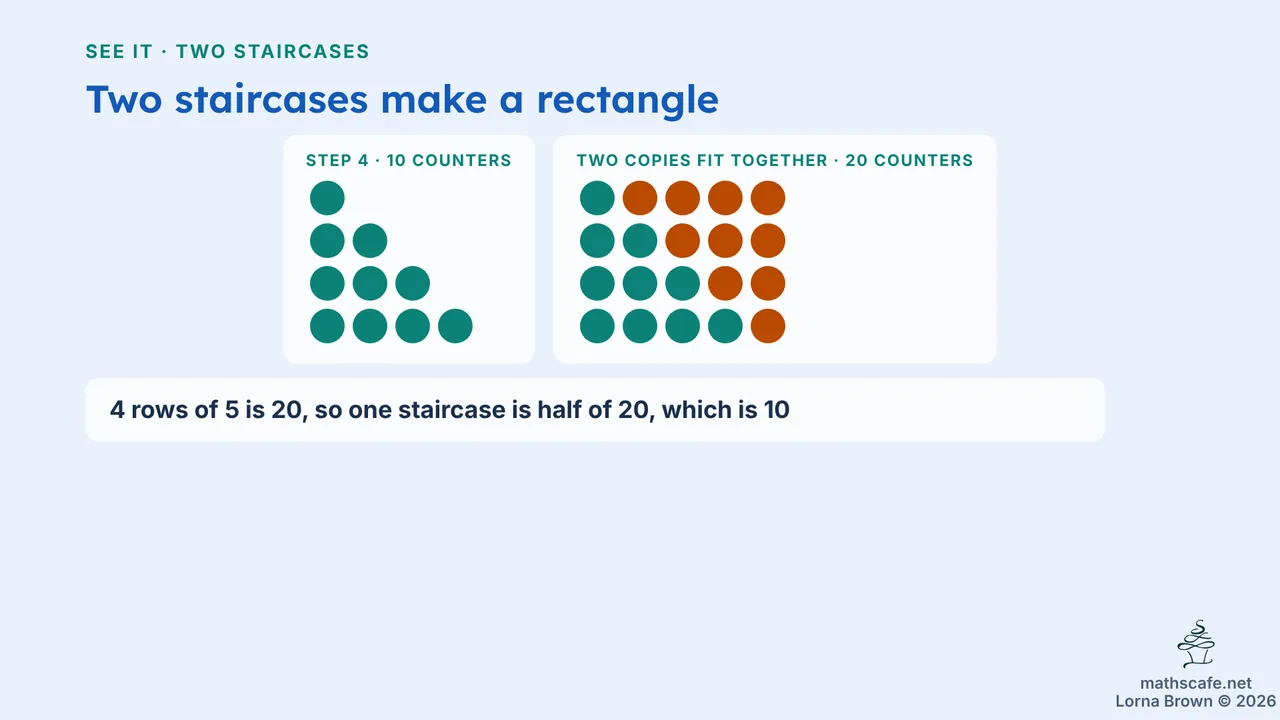
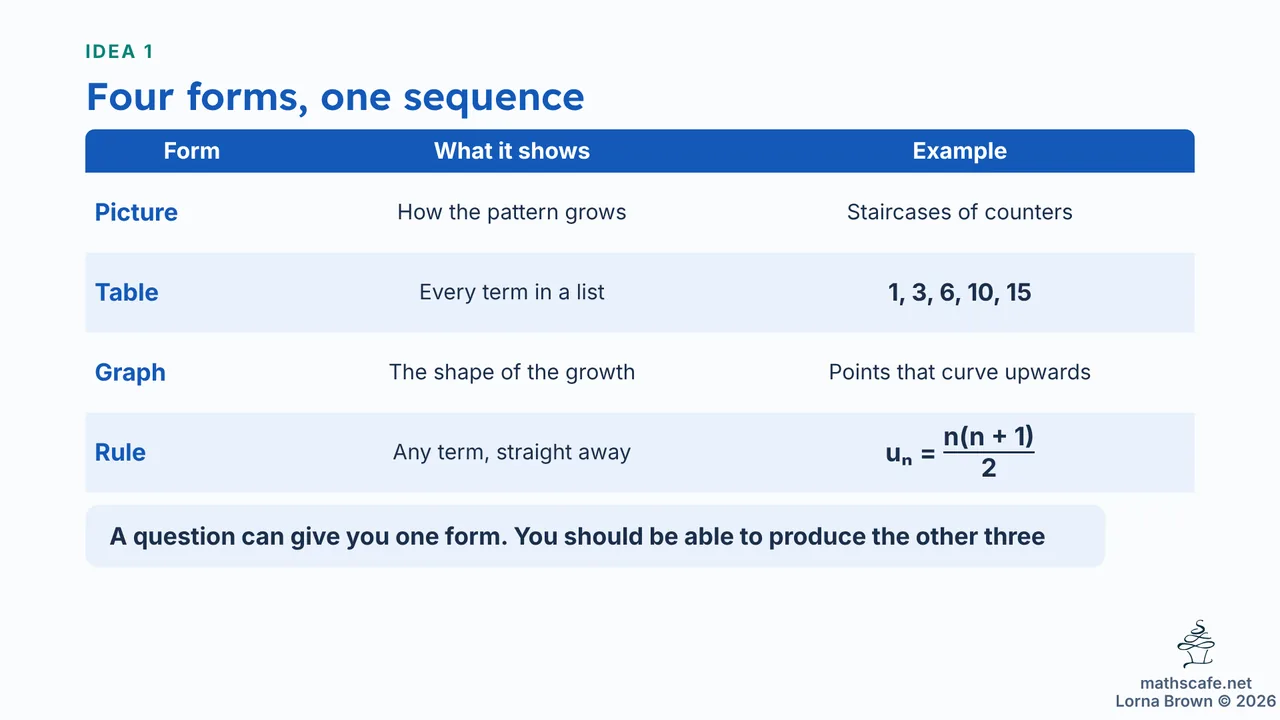
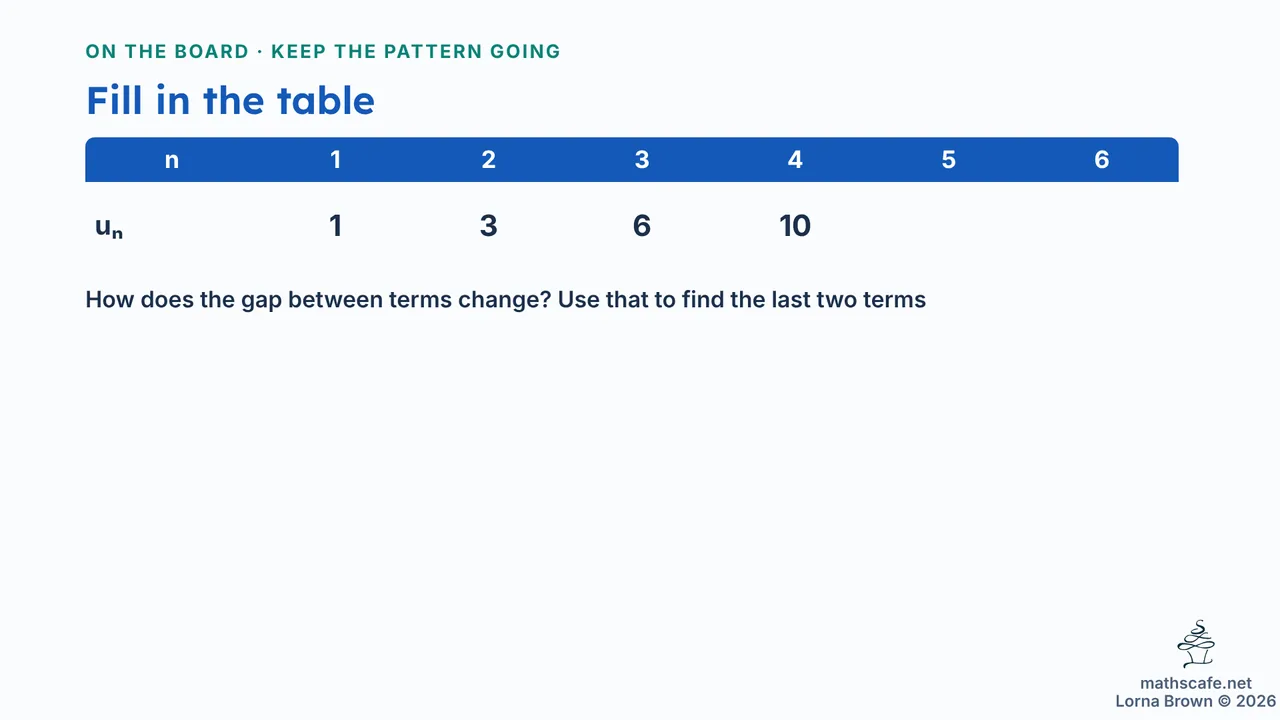
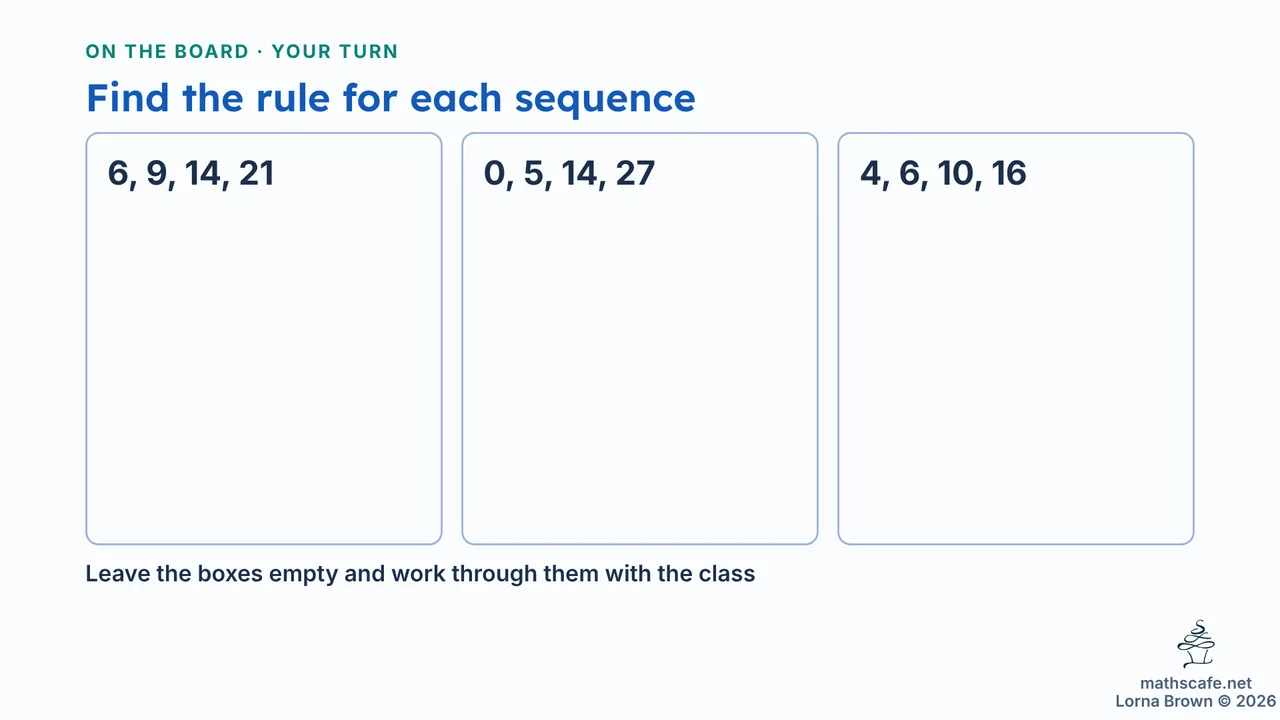
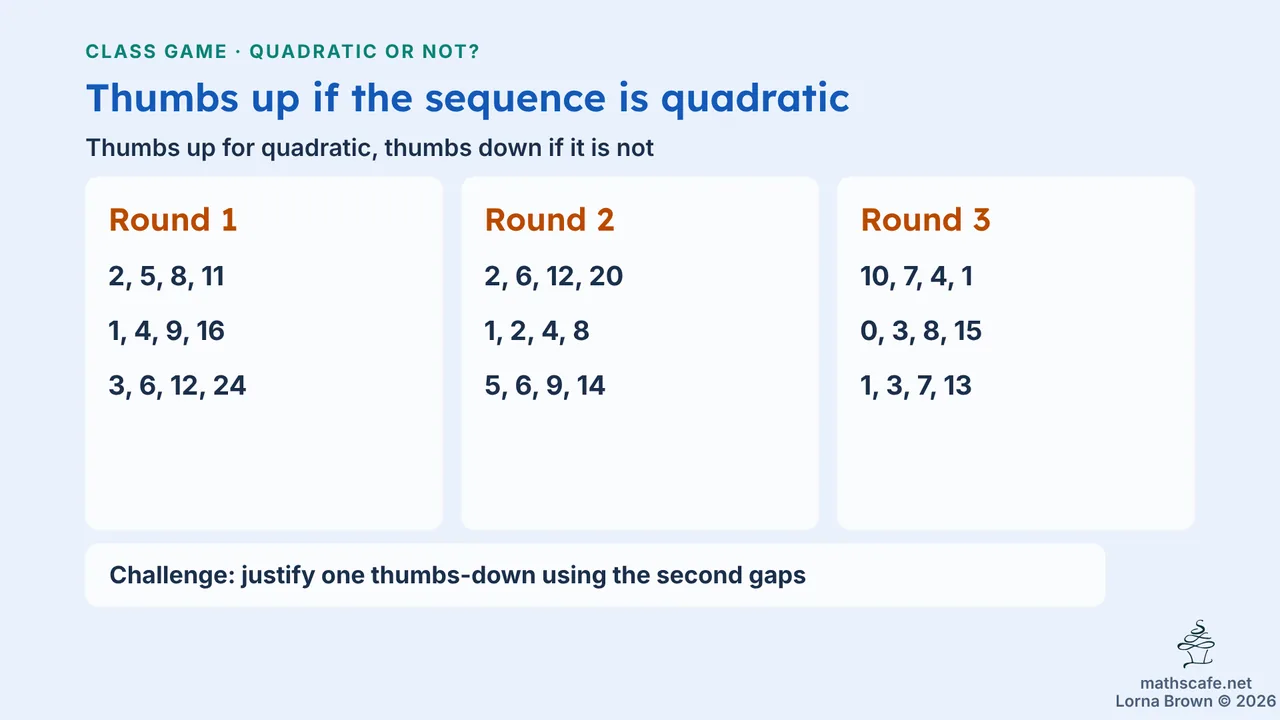
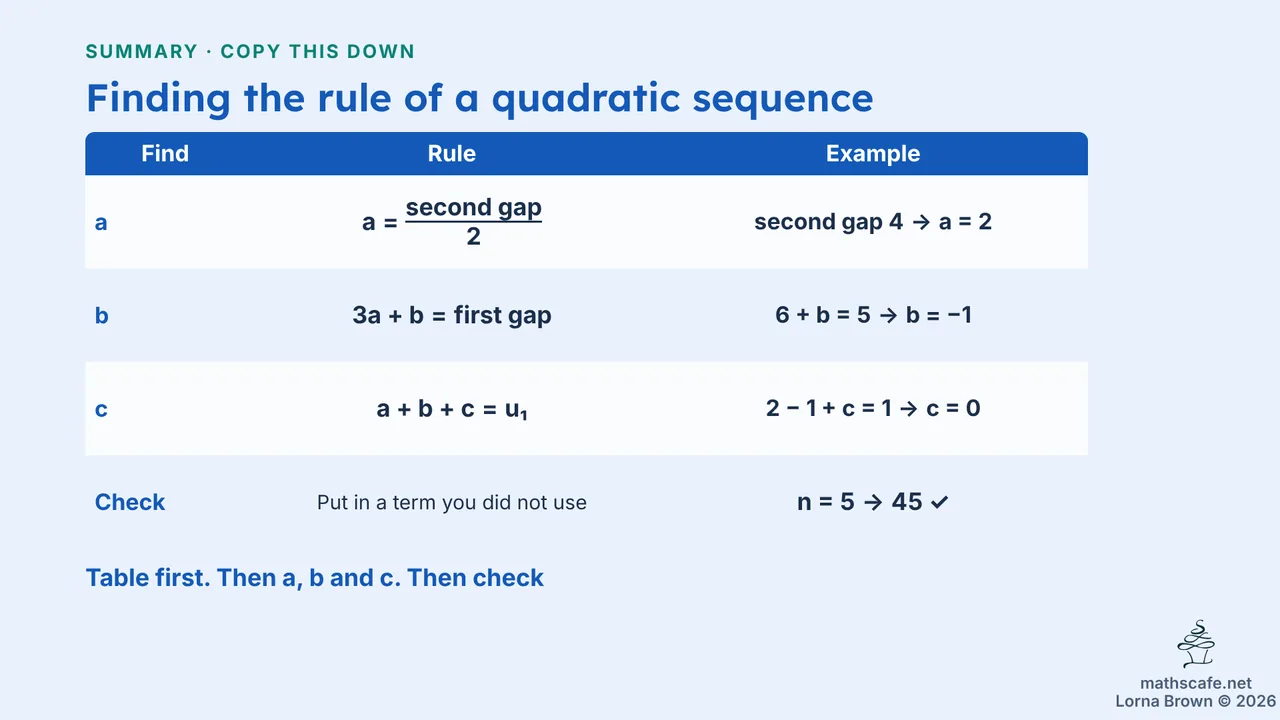
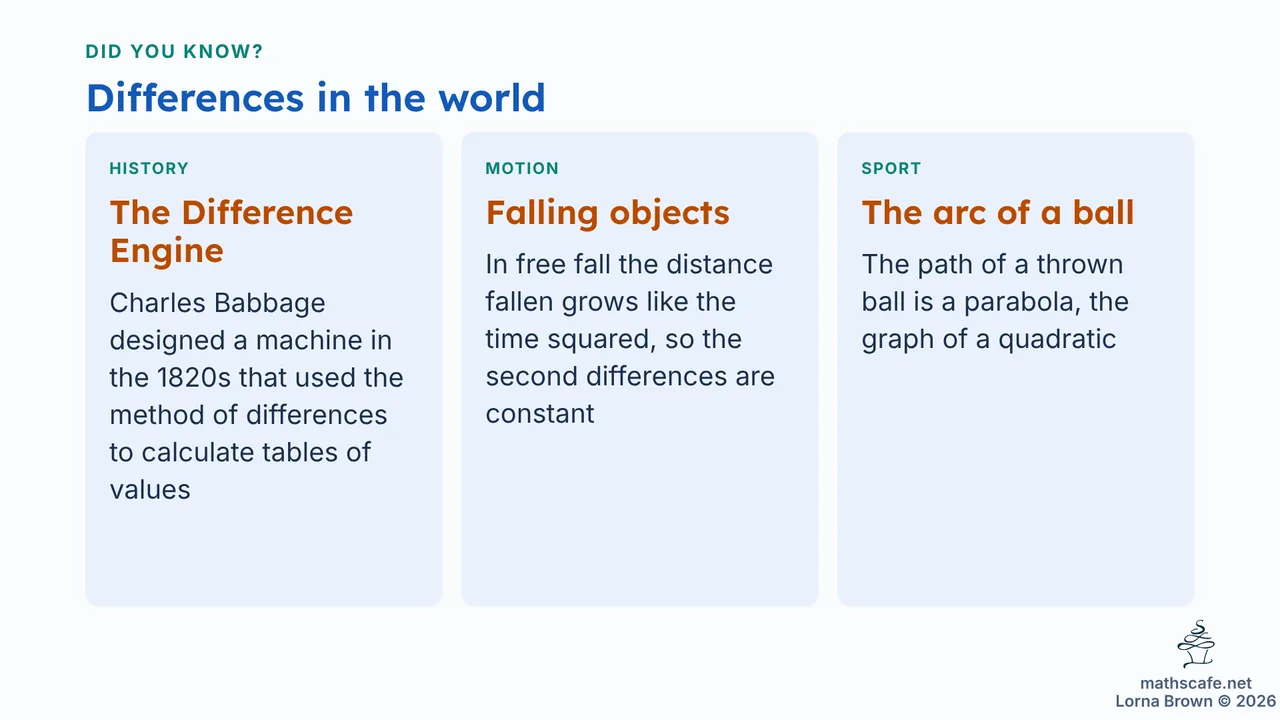
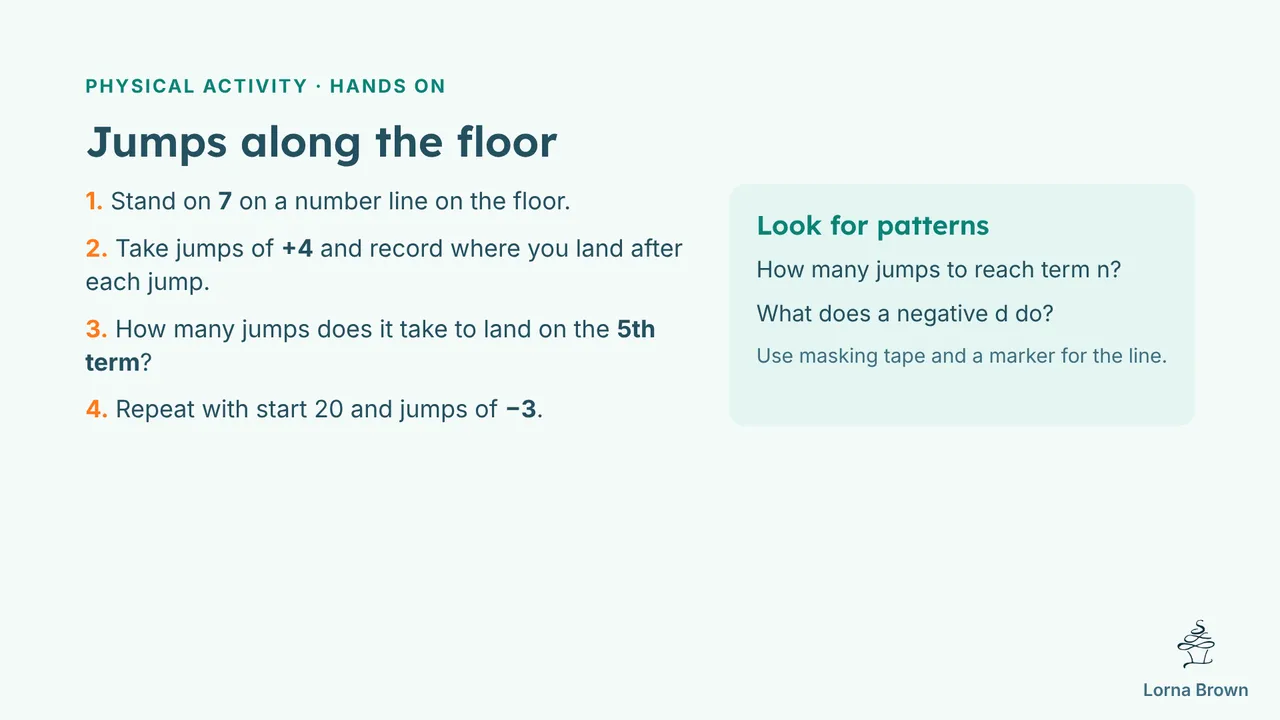
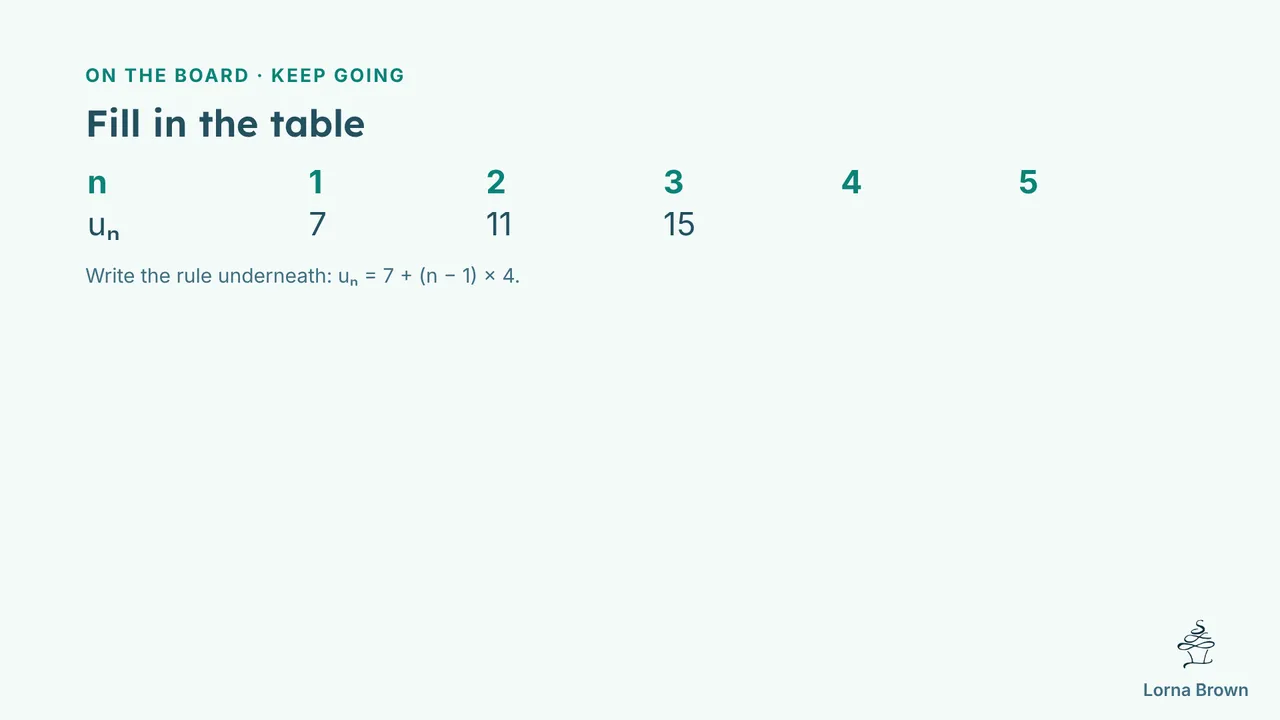
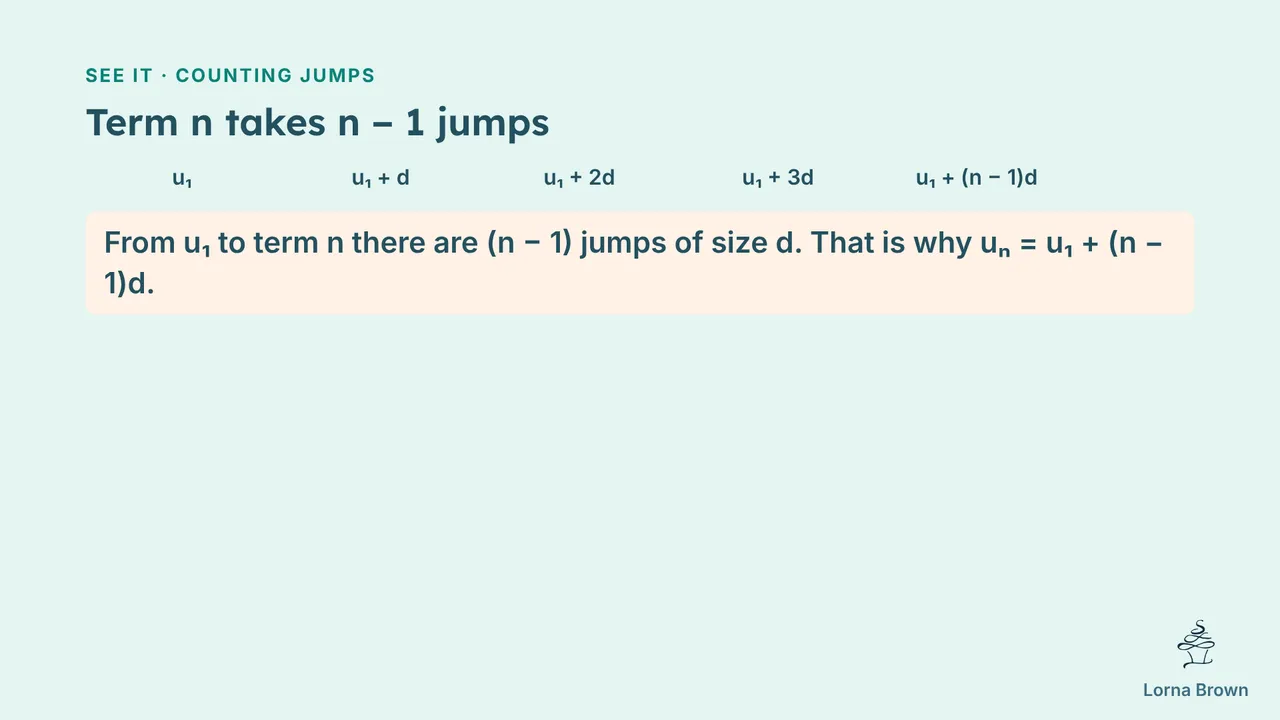
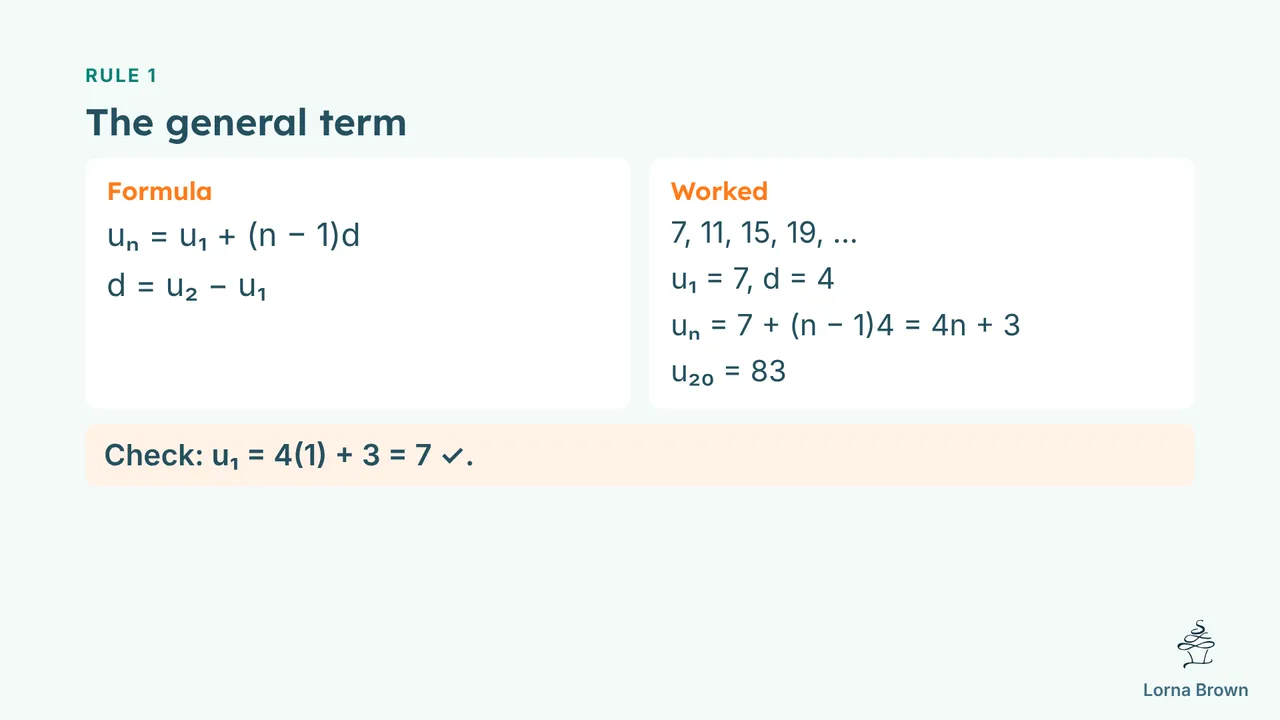
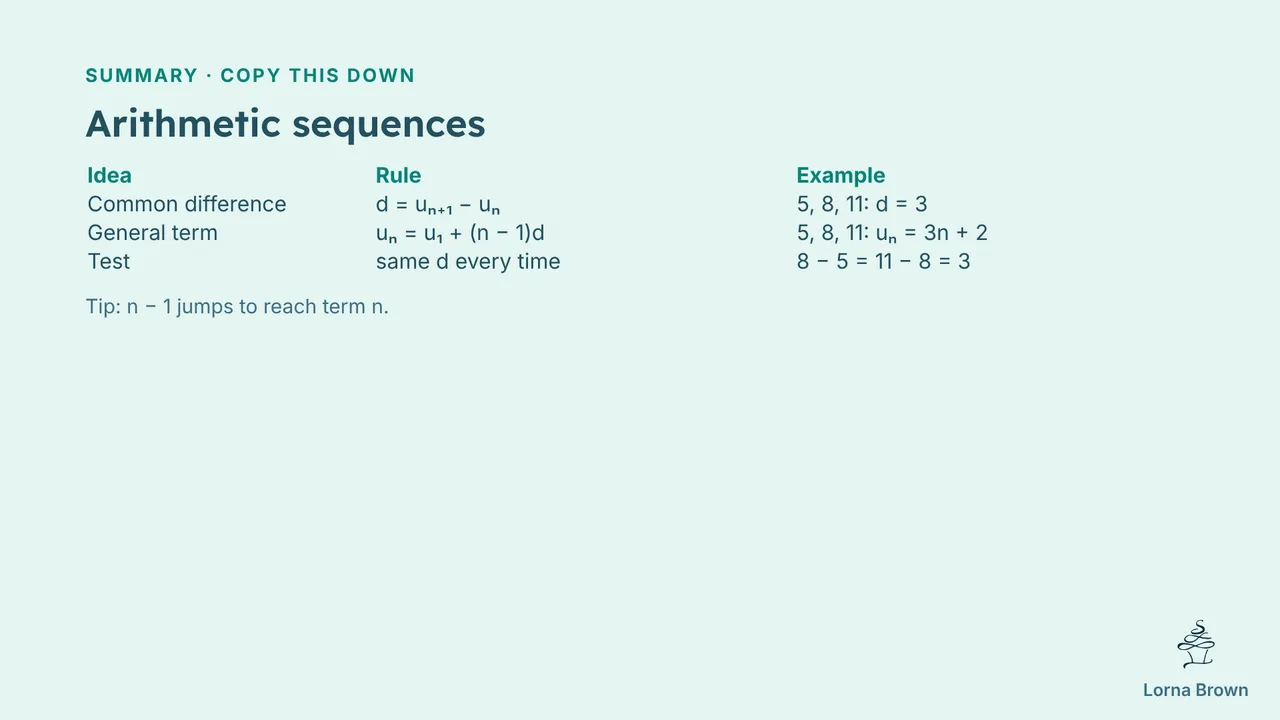
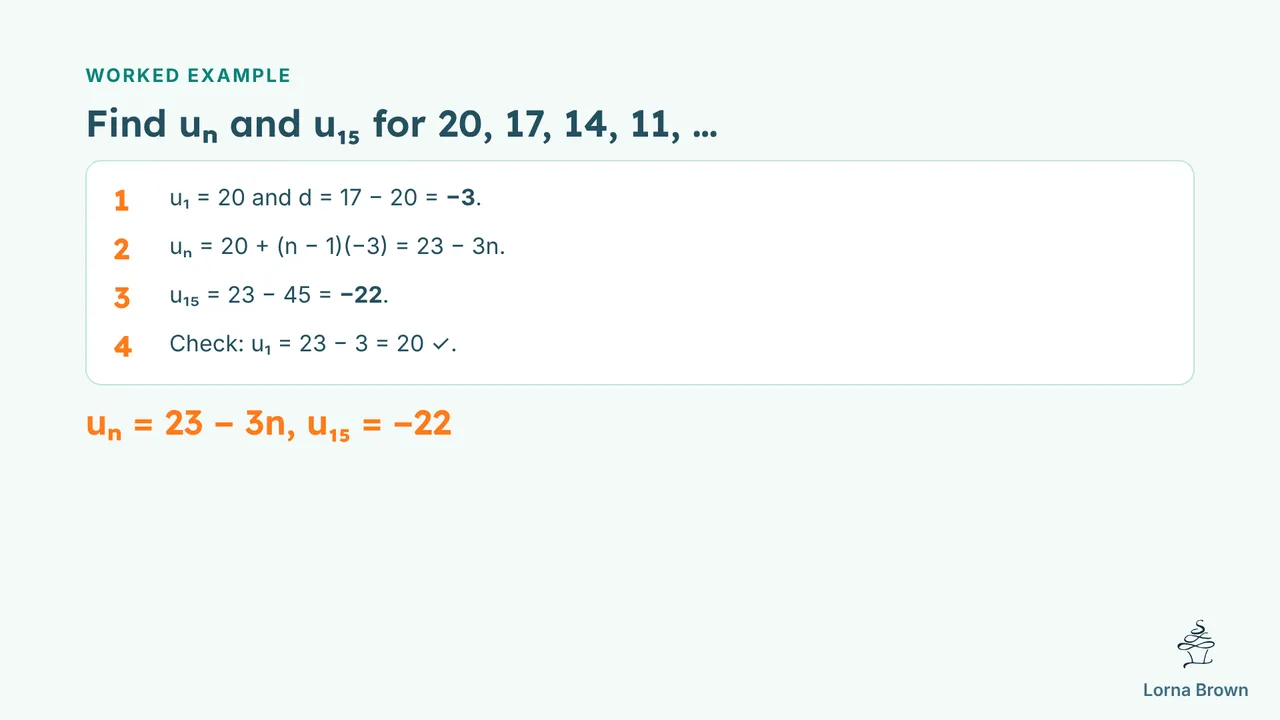
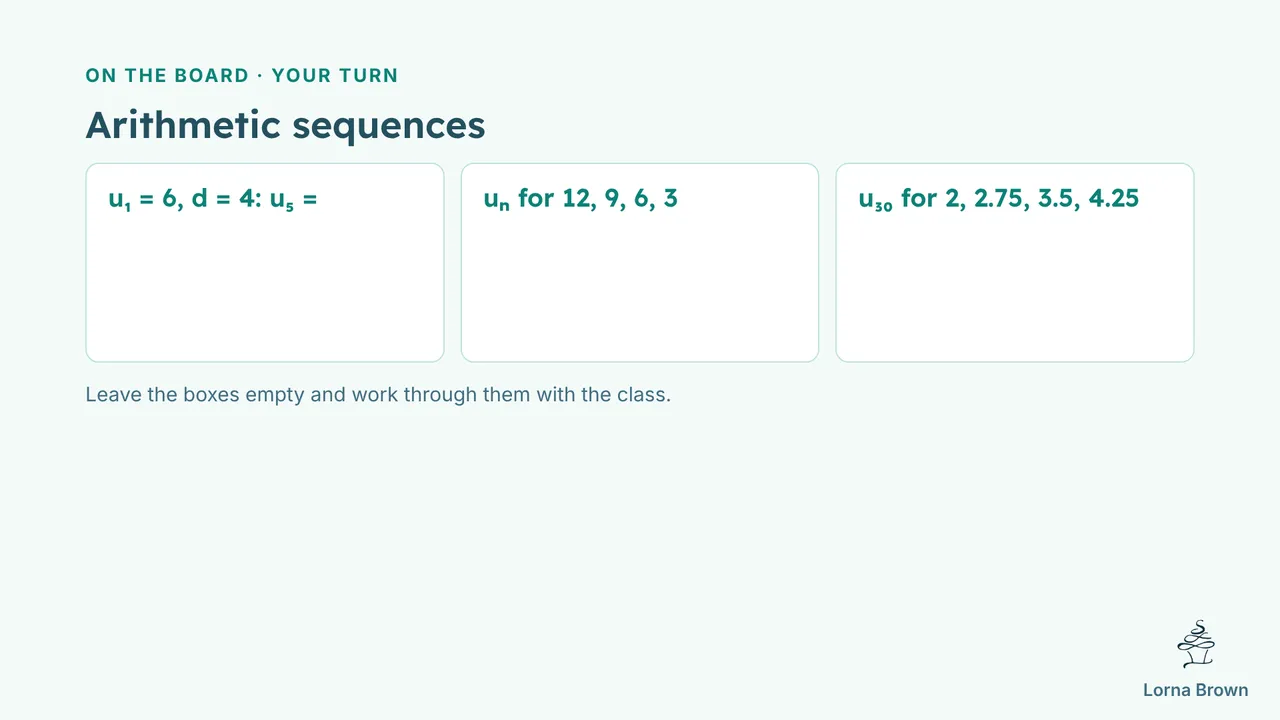
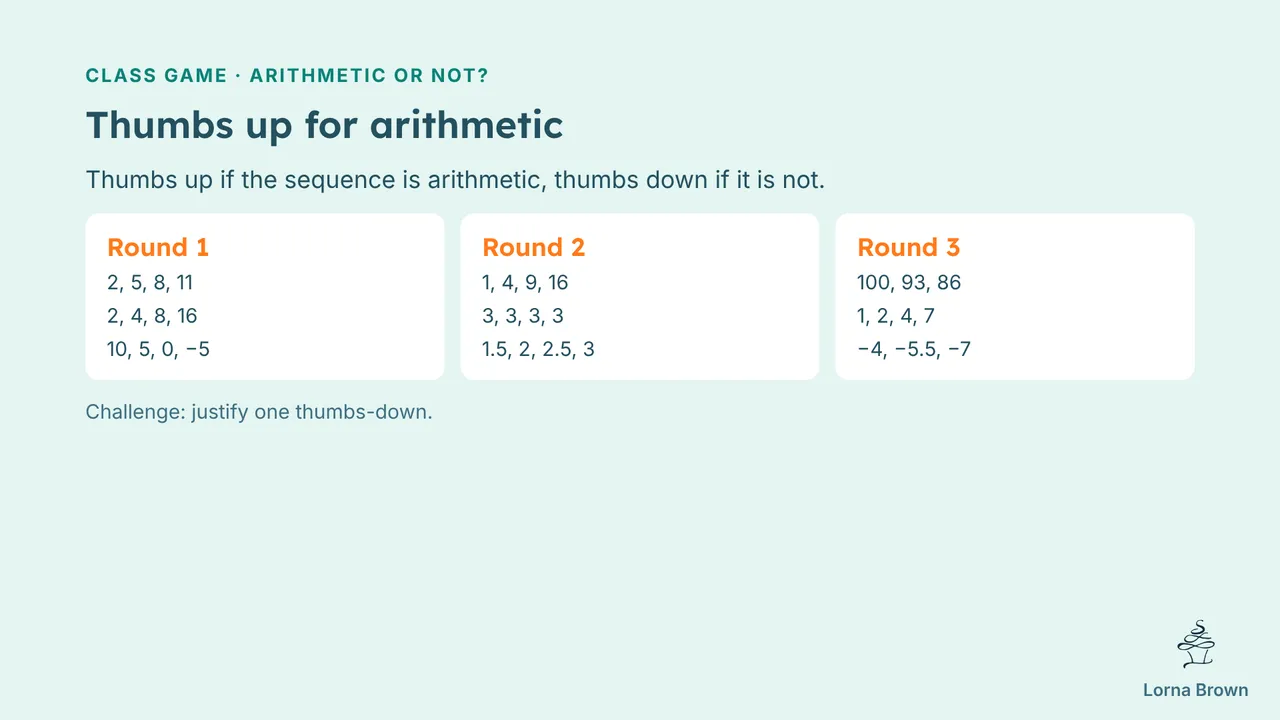
10.1 Sequences - under construction
10.1 Sequences - under construction
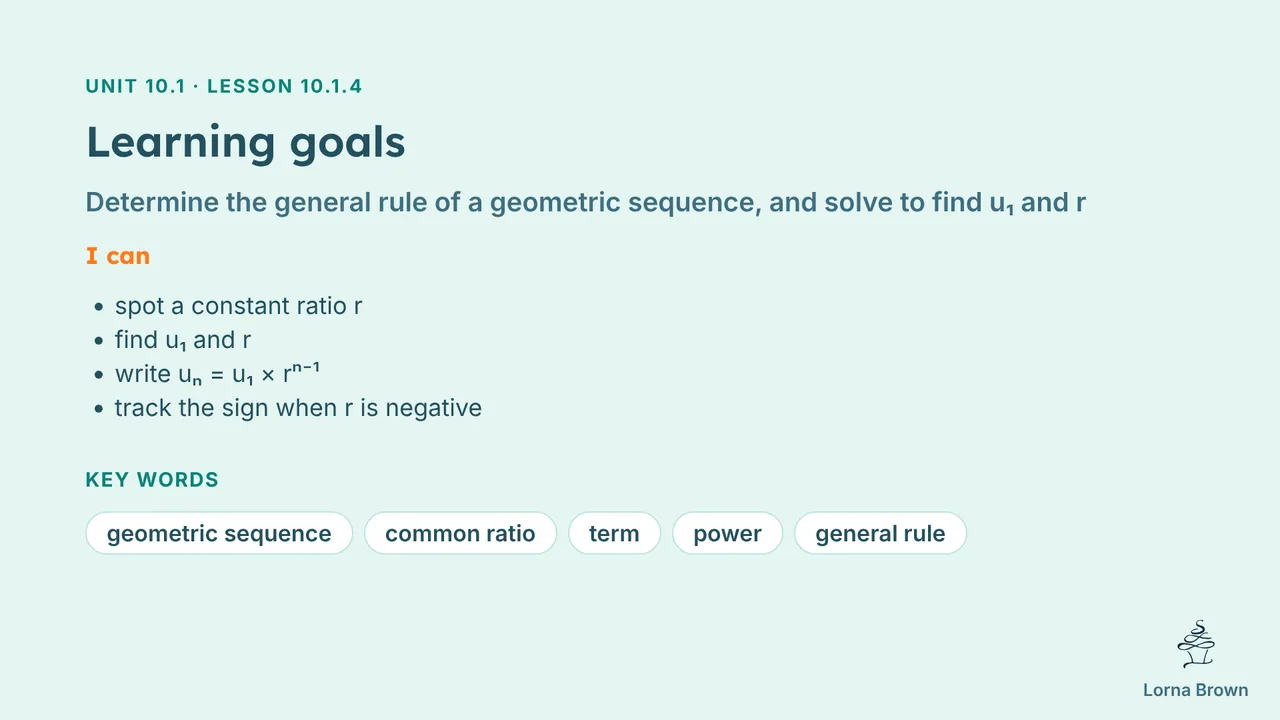
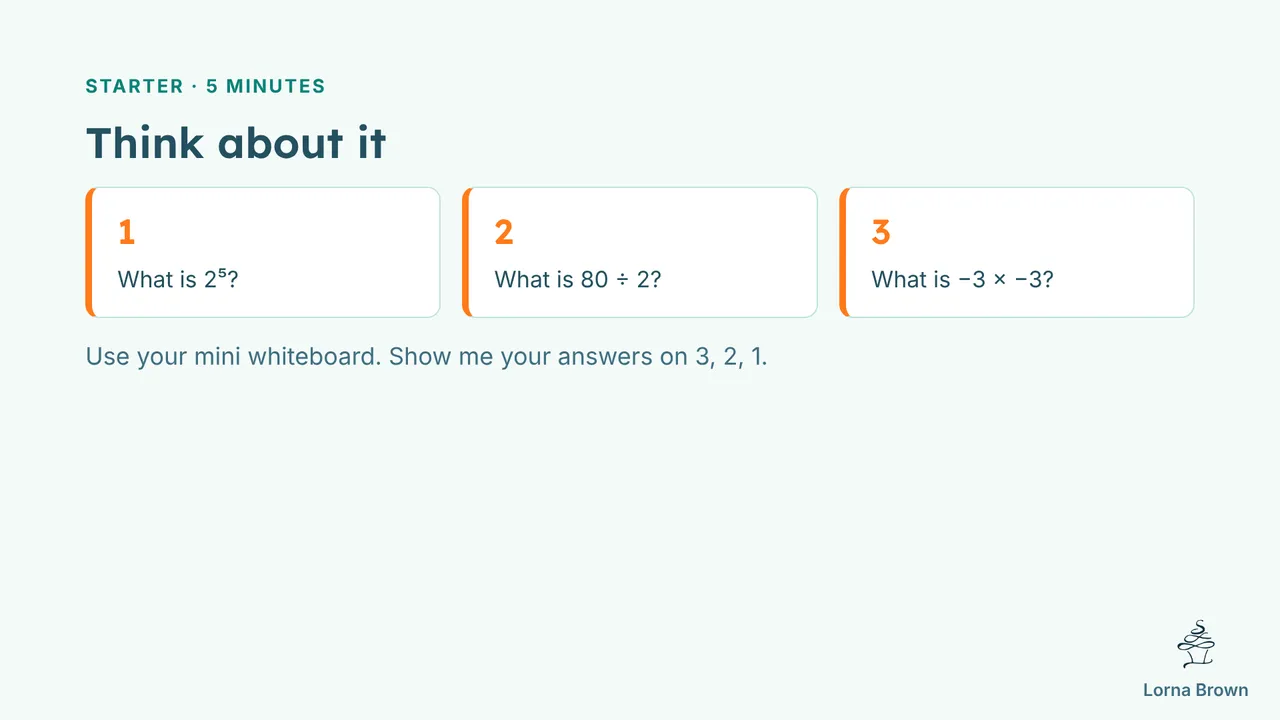
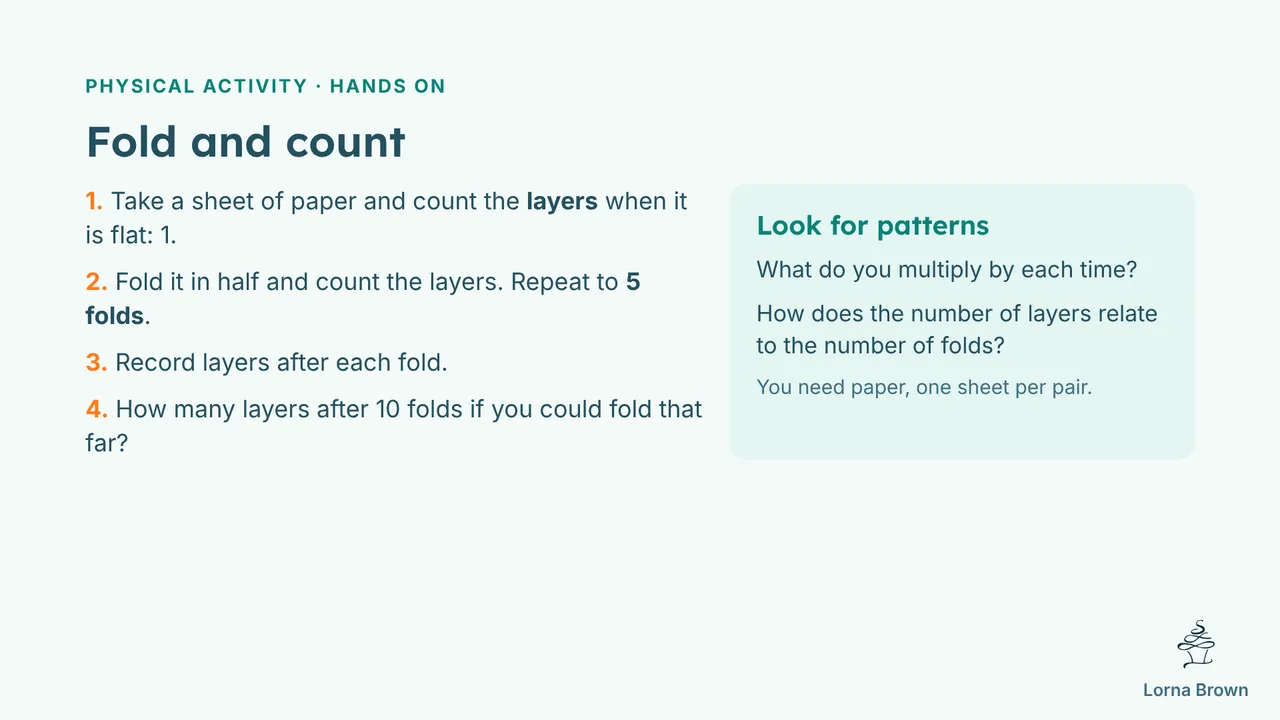
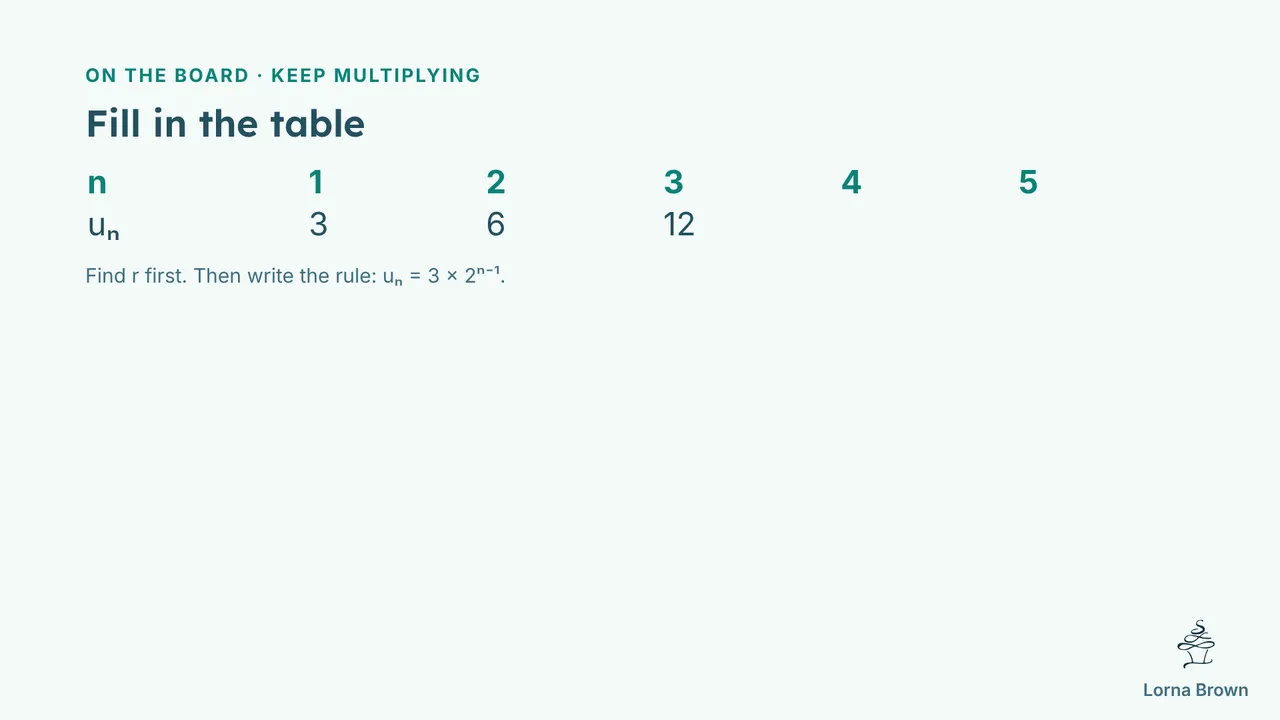
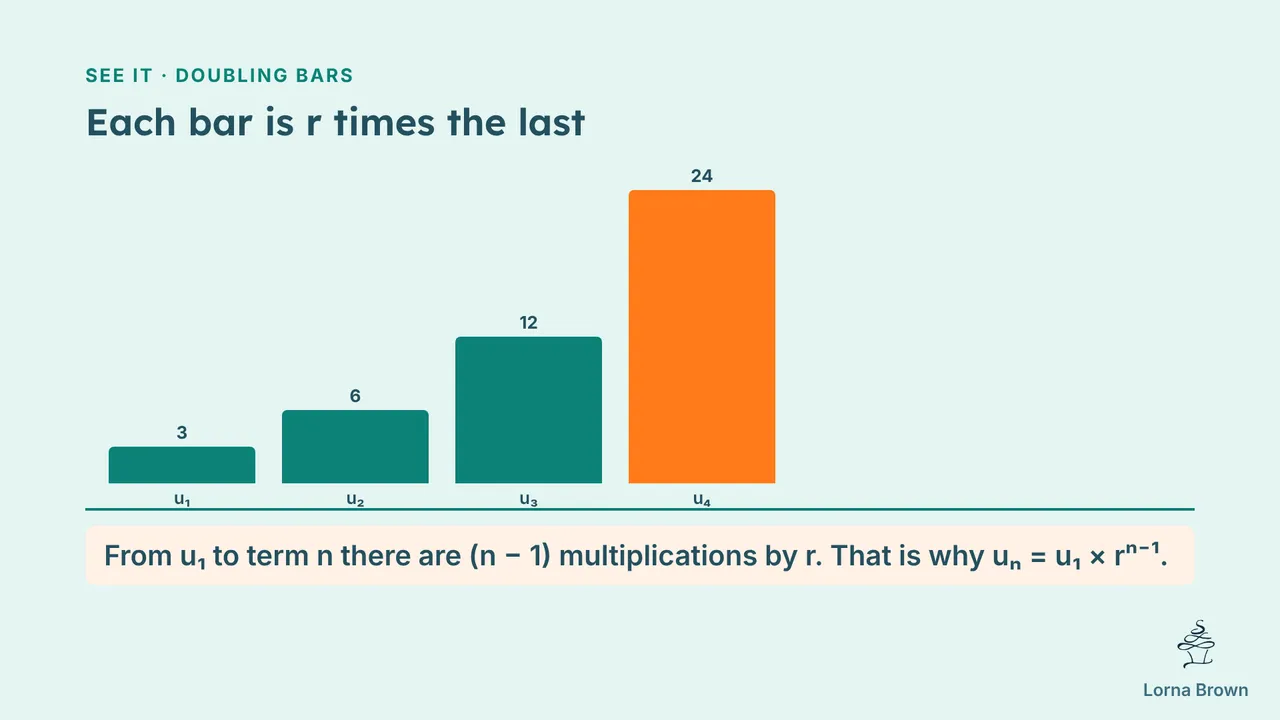
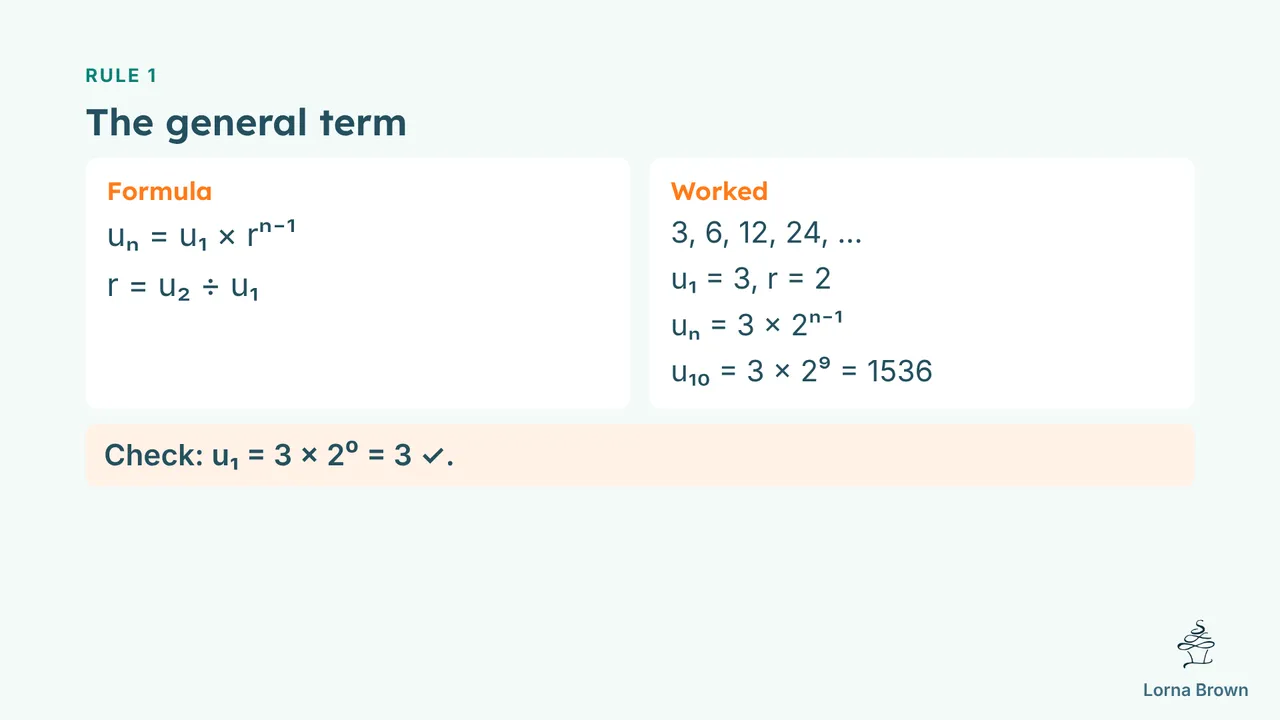
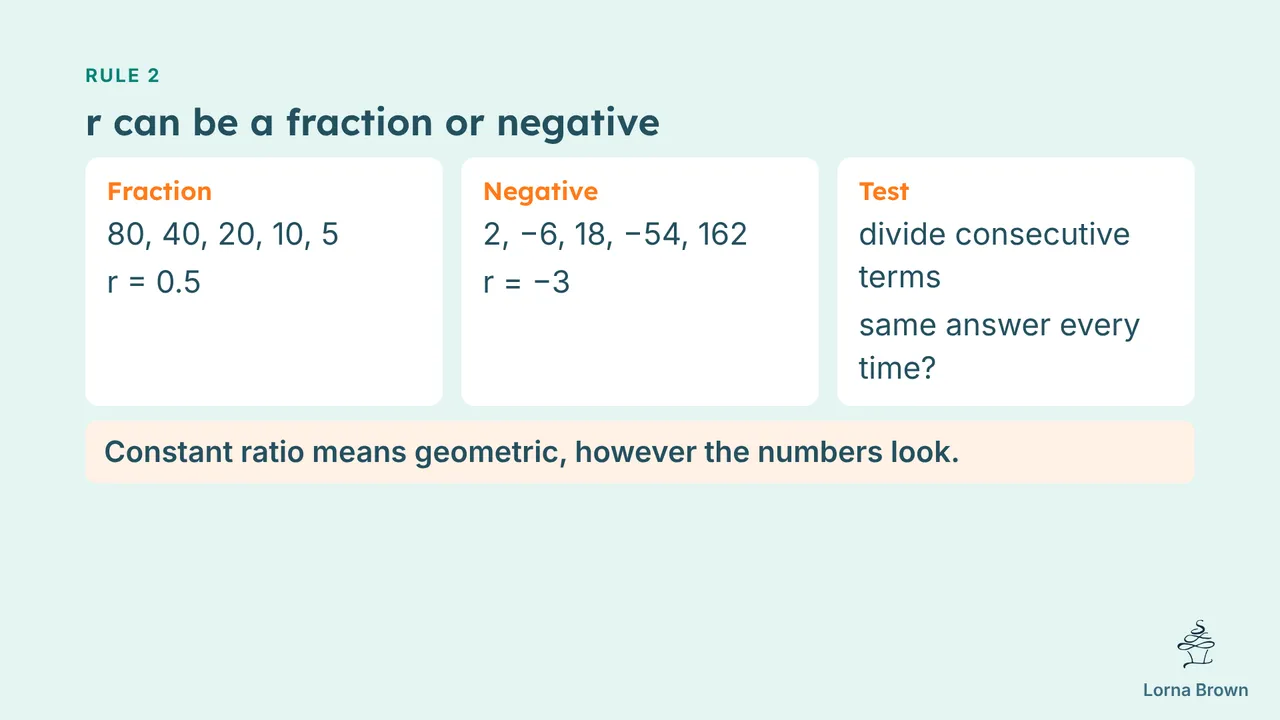
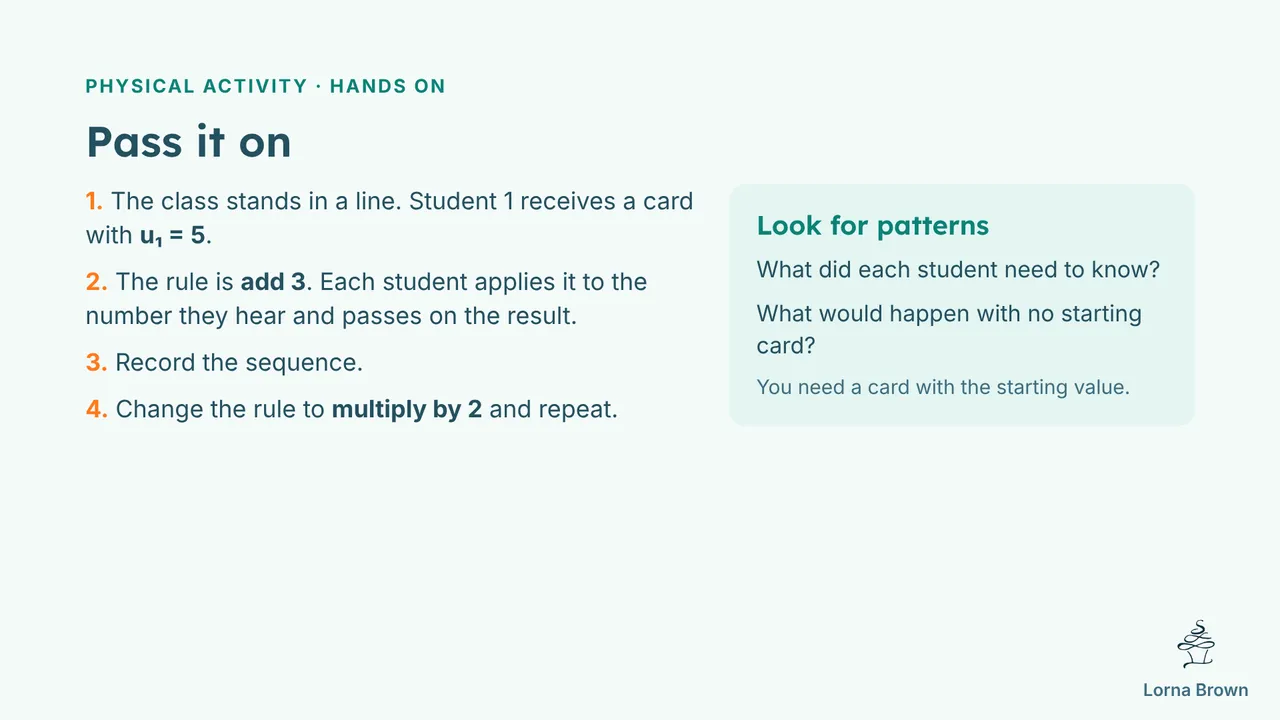
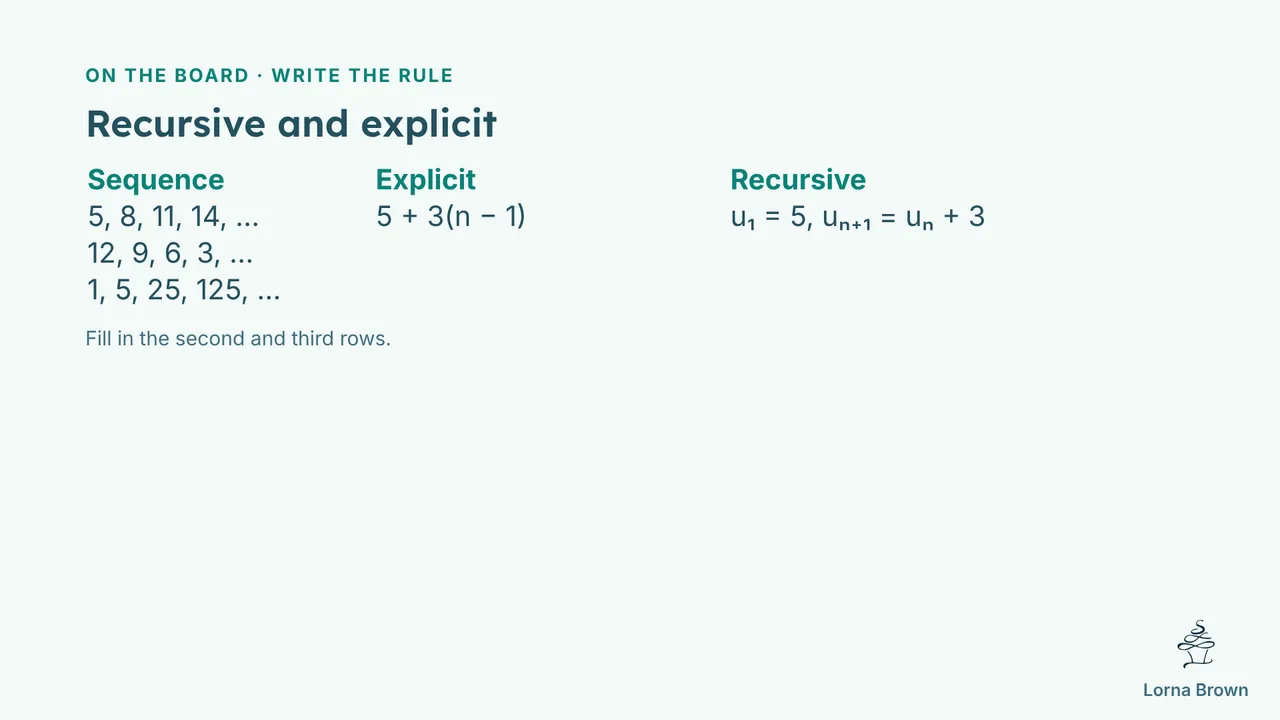
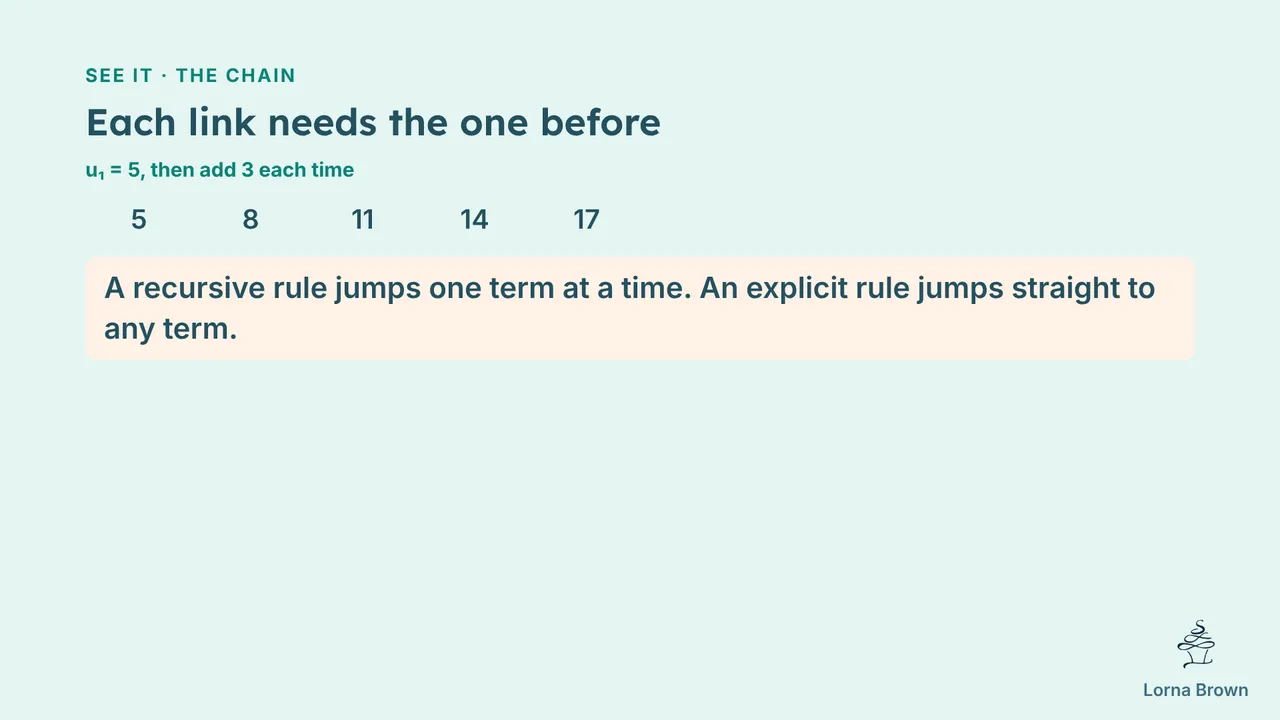
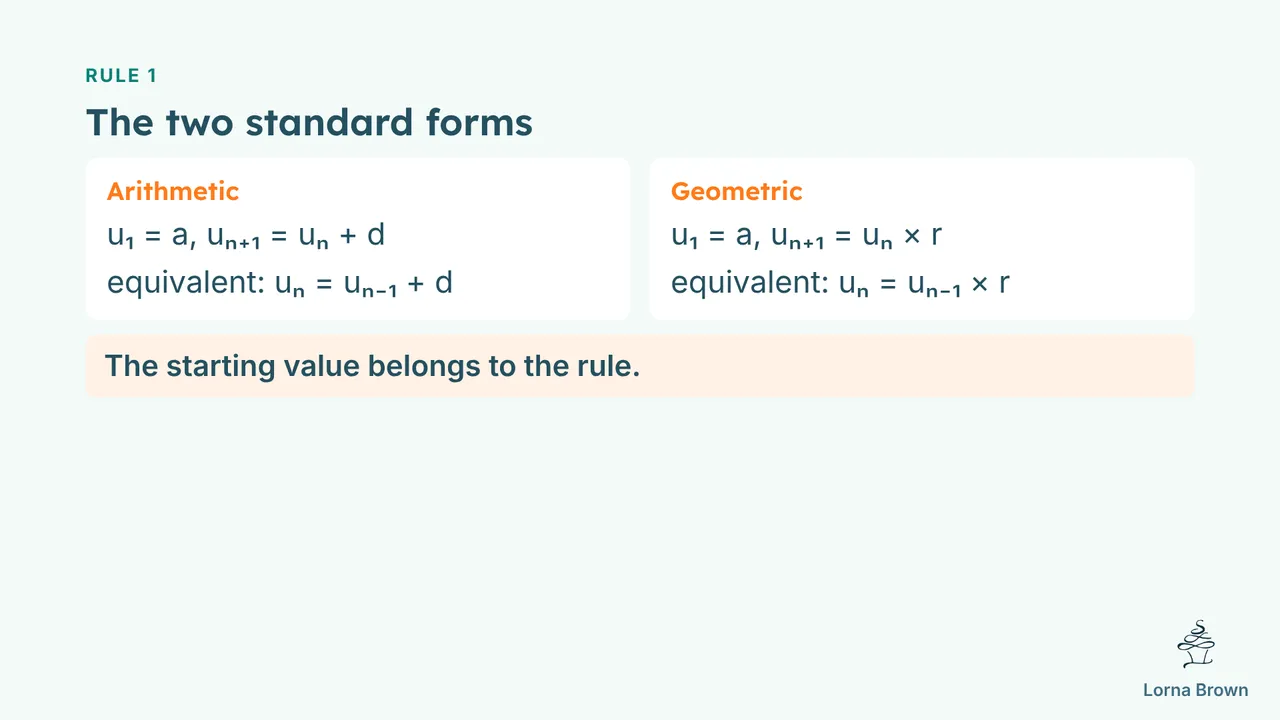
Statement of inquiry: How can we be sure a pattern will keep working?
Lessons in this unit
Approaches to learning
Communication
I can show my maths thinking clearly by setting out my work neatly and using maths symbols correctly.
I can explain my ideas in different ways, not just give an answer, but also explain why it works.
Self-management
I can use my time wisely and practise independently by choosing helpful resources to support my learning of mathematics.
Community engagement
- We build a classroom community where we help and support each other
- We share our methods and explain our thinking to each other, so that everyone learns
- We talk openly about maths anxiety and encourage each other to keep trying
- We learn from other students, and we can help others through peer tutoring
Global context and inquiry questions
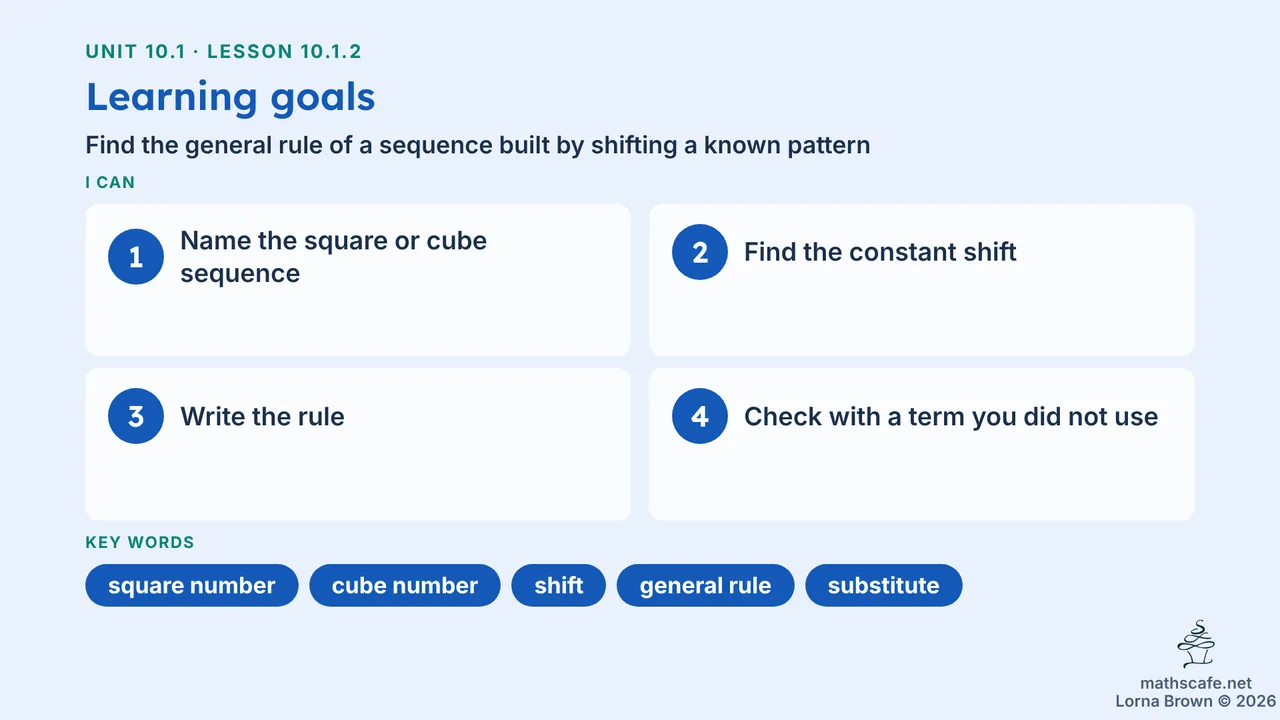
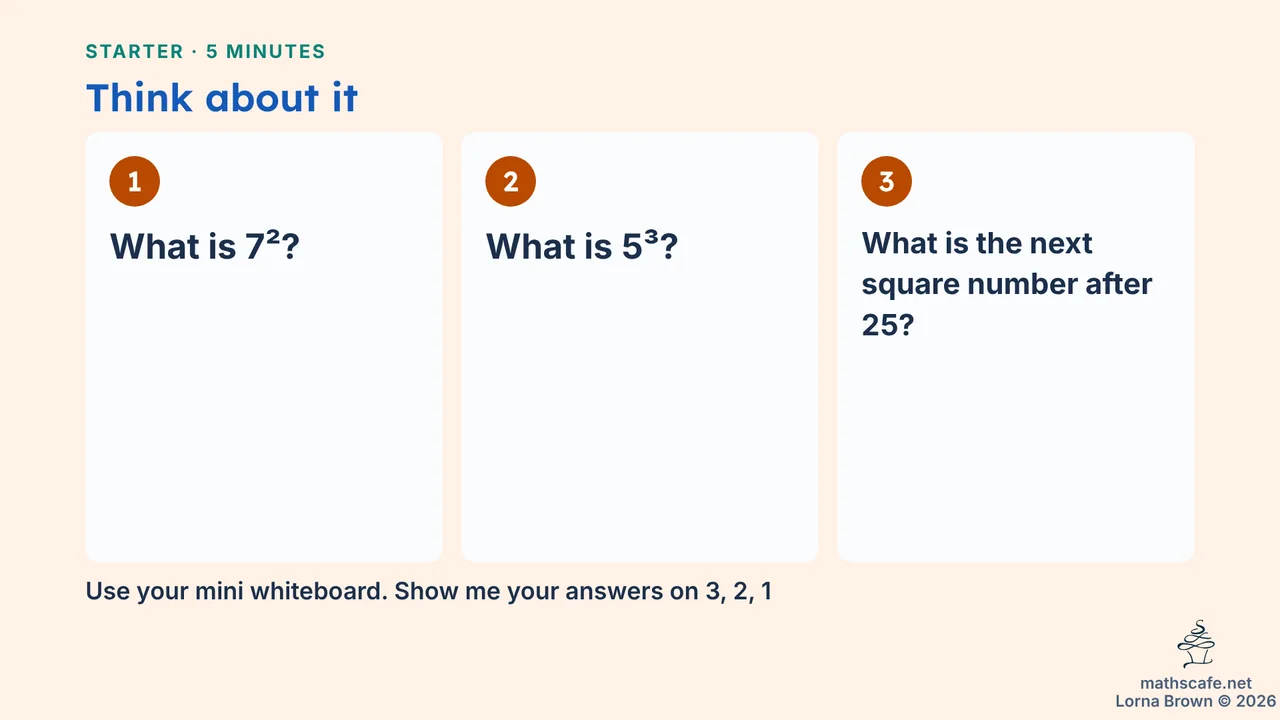
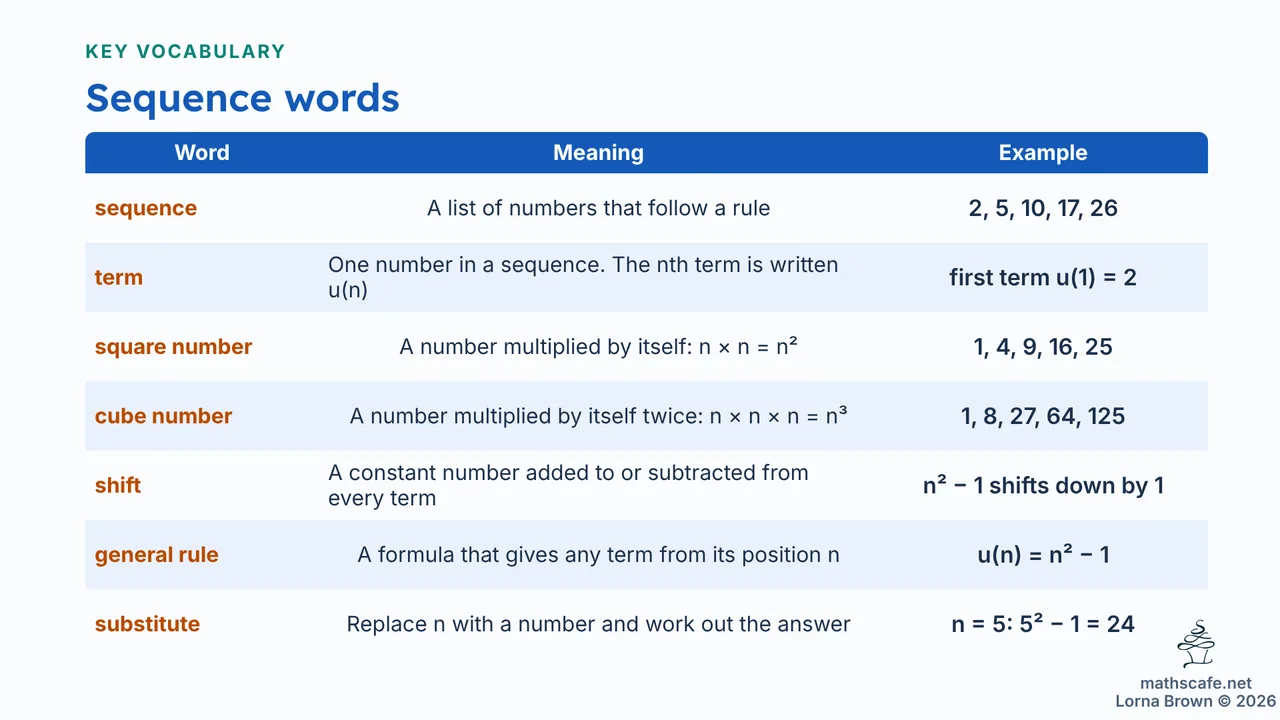
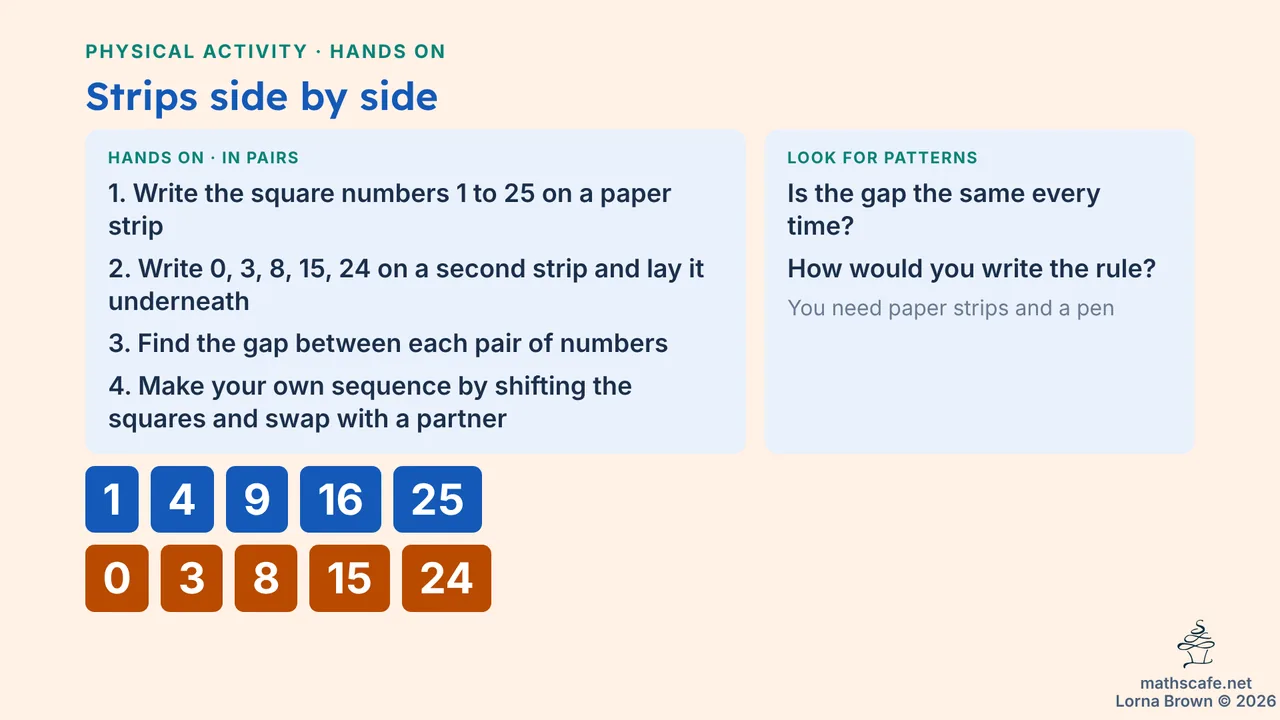
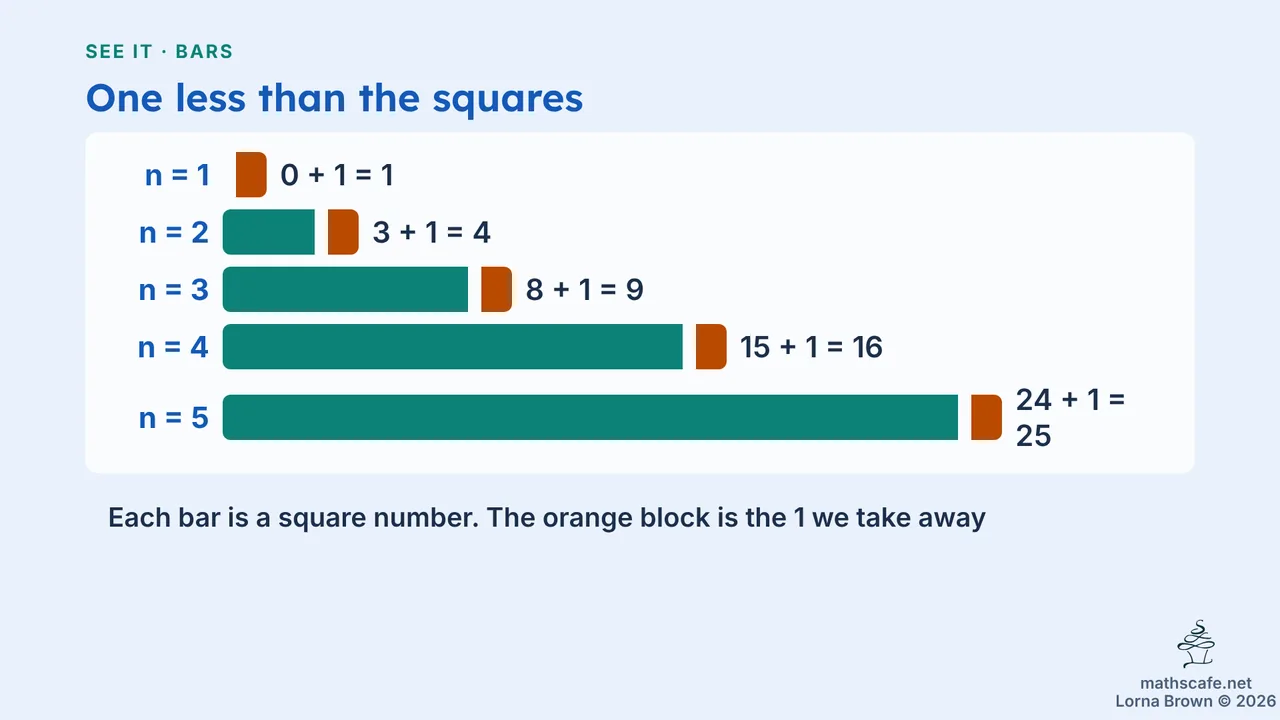
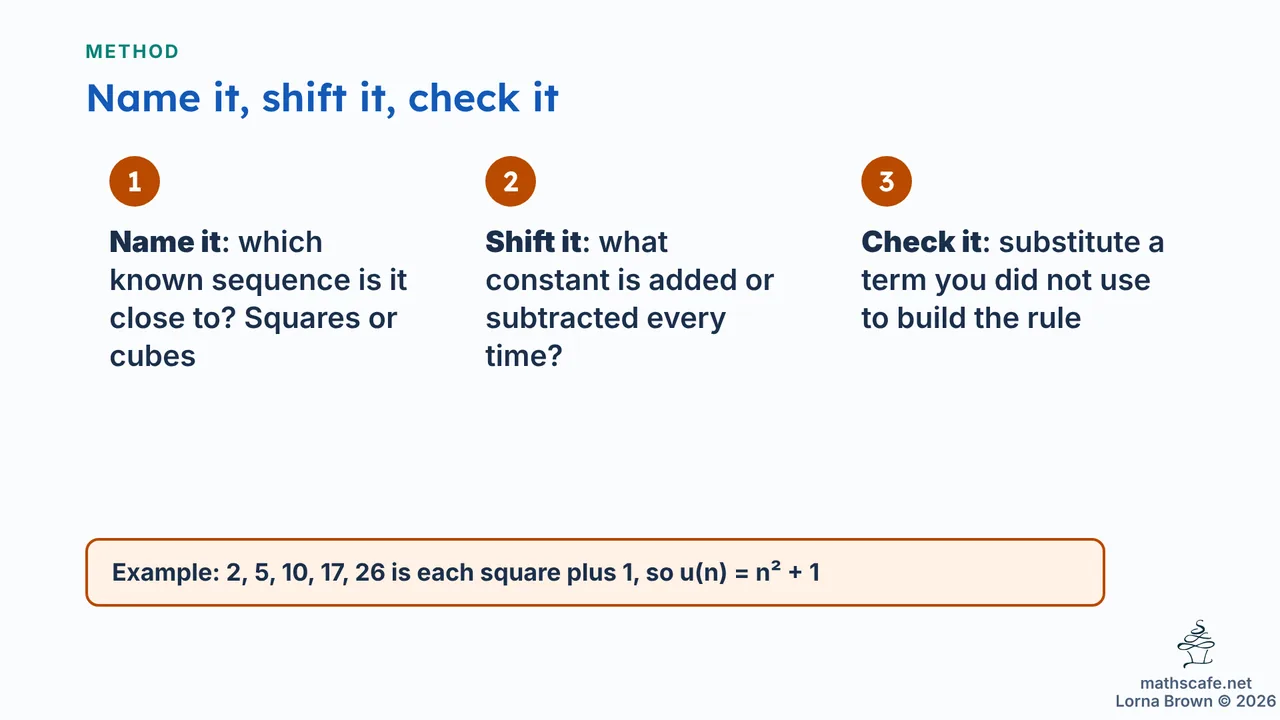
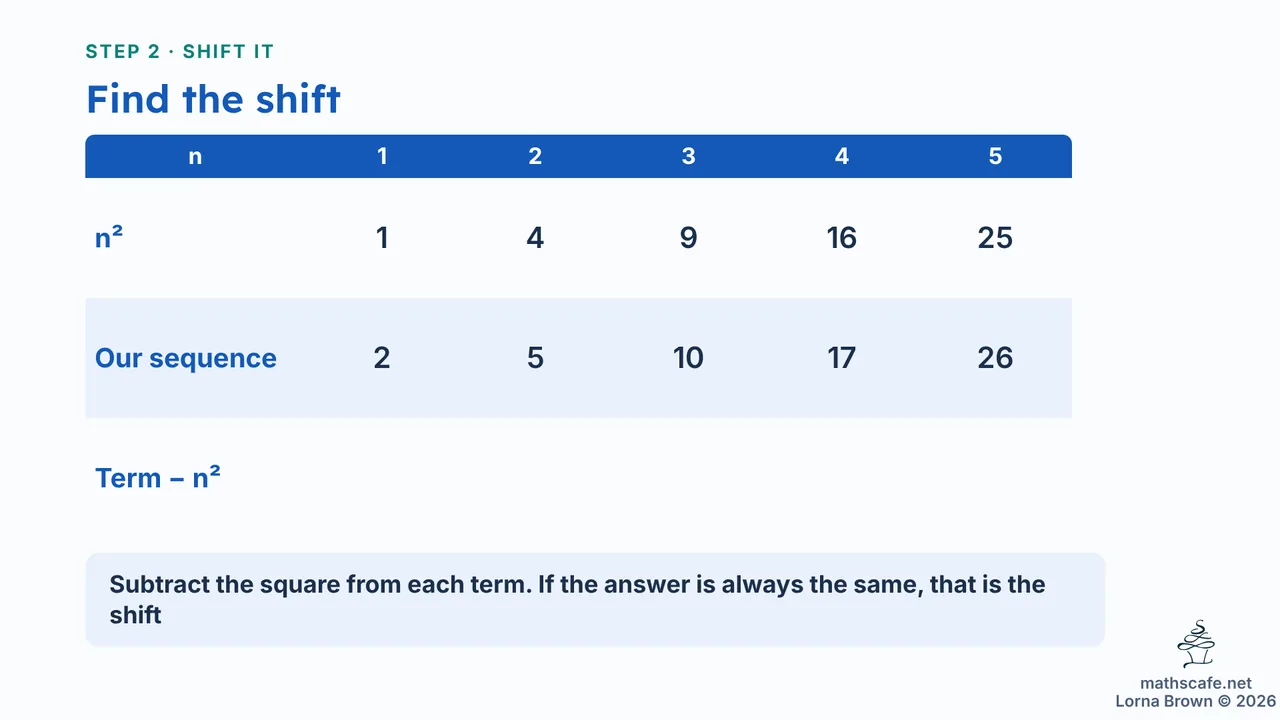
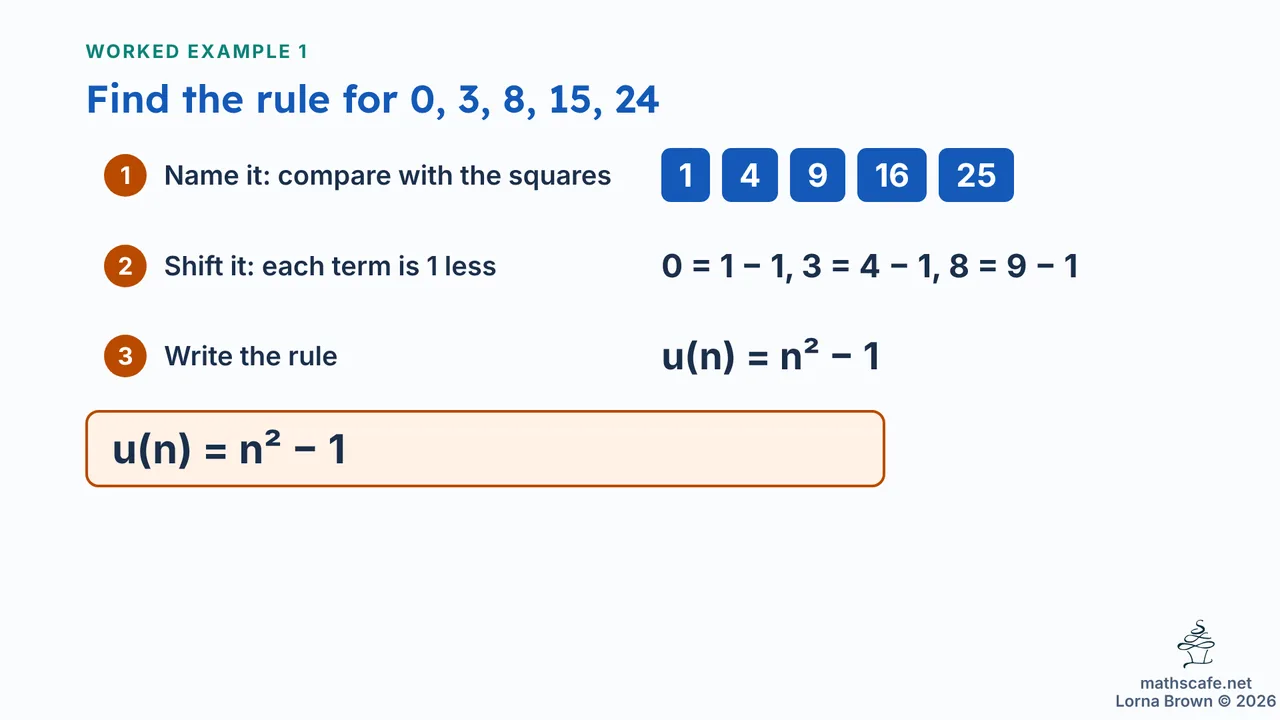
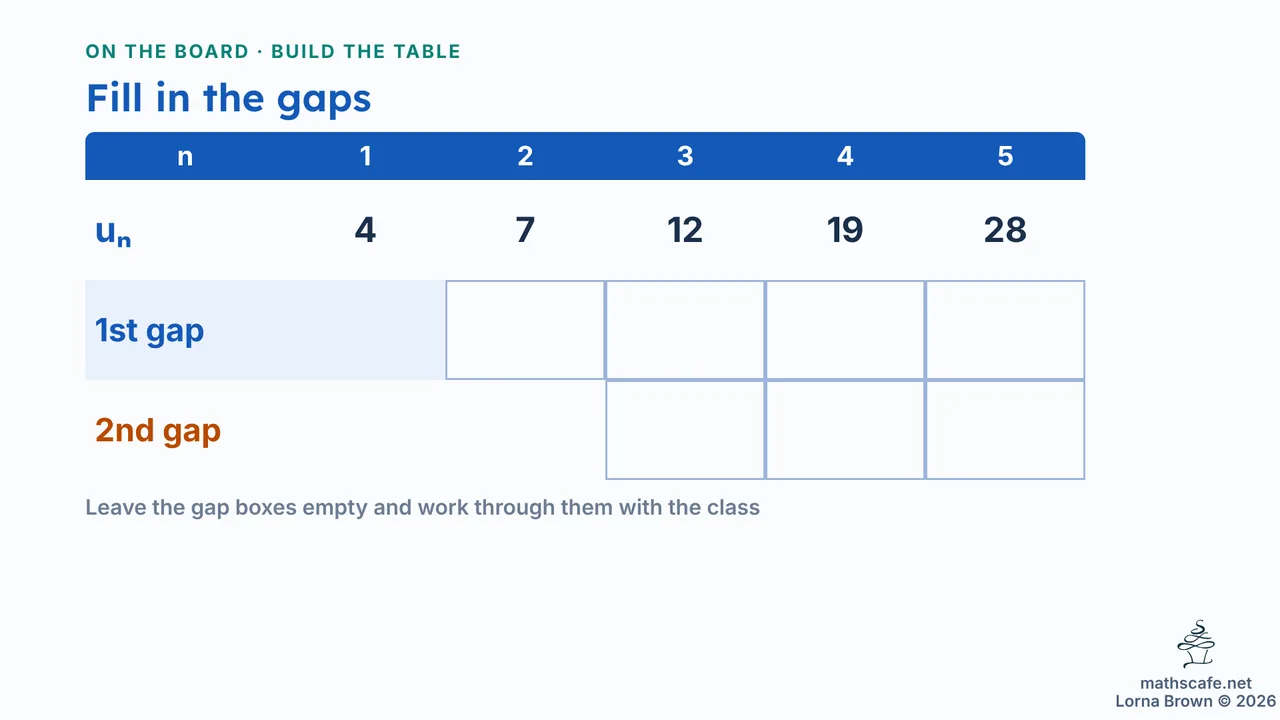
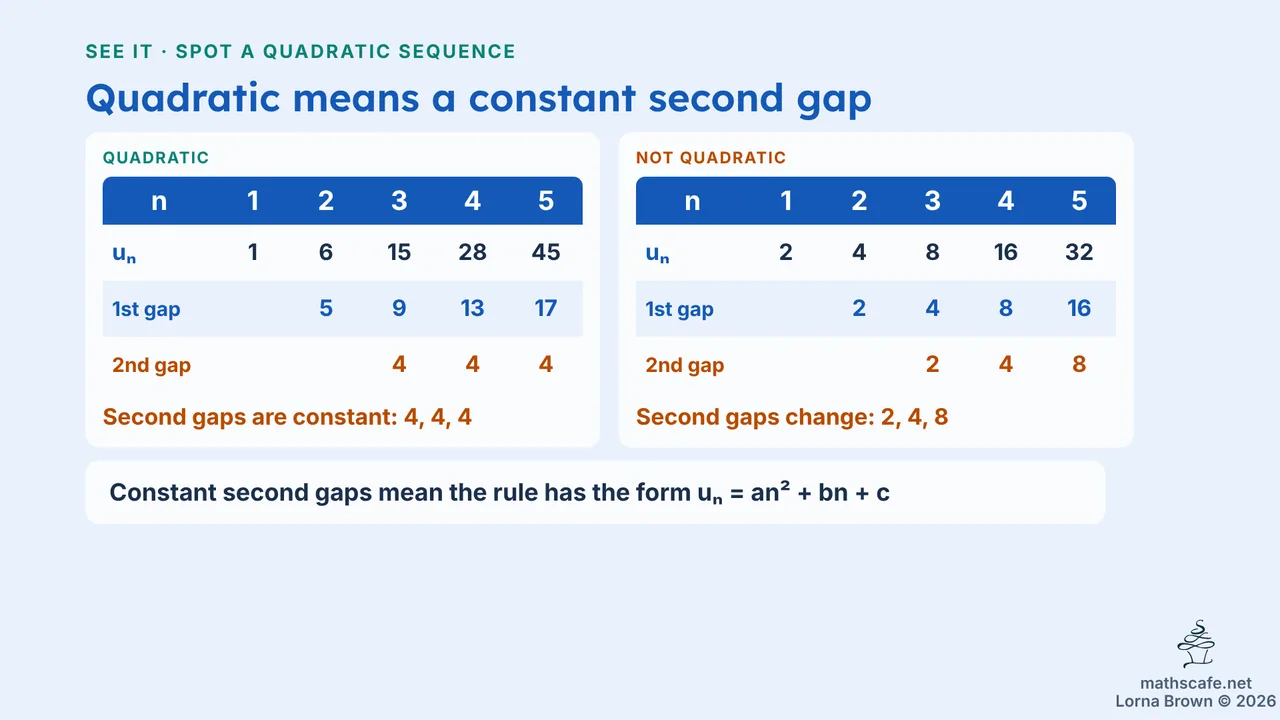
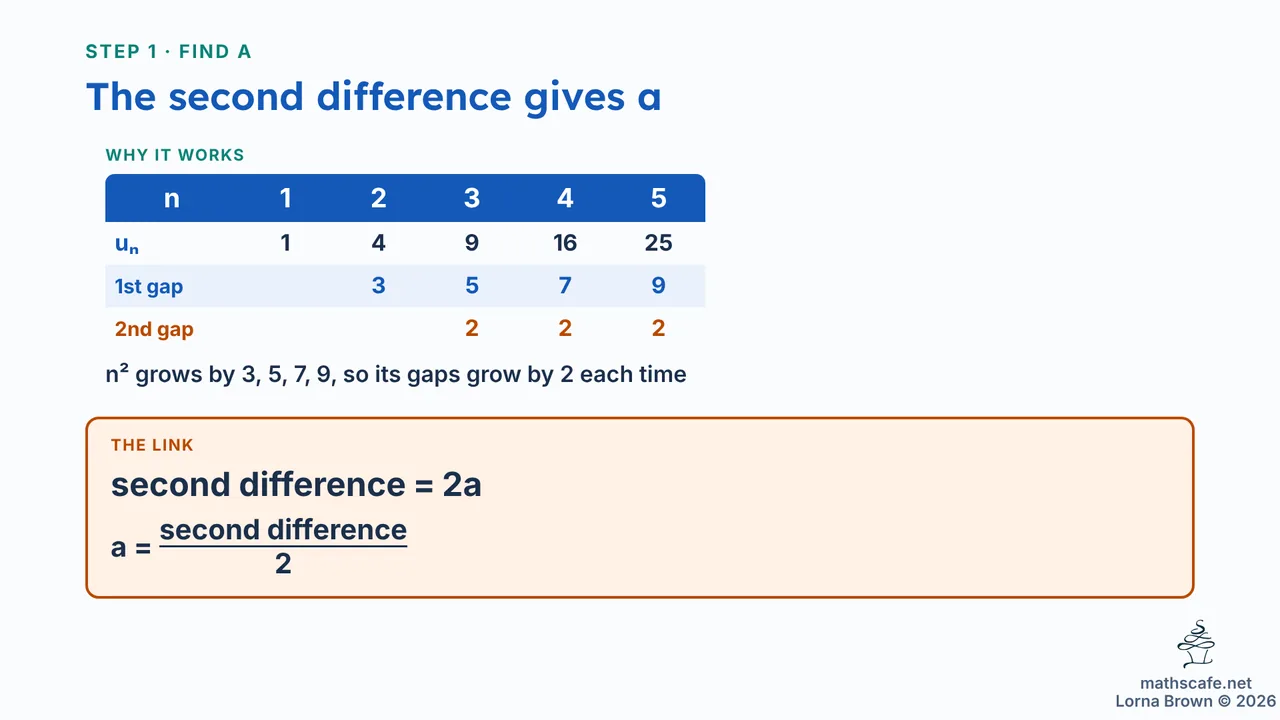
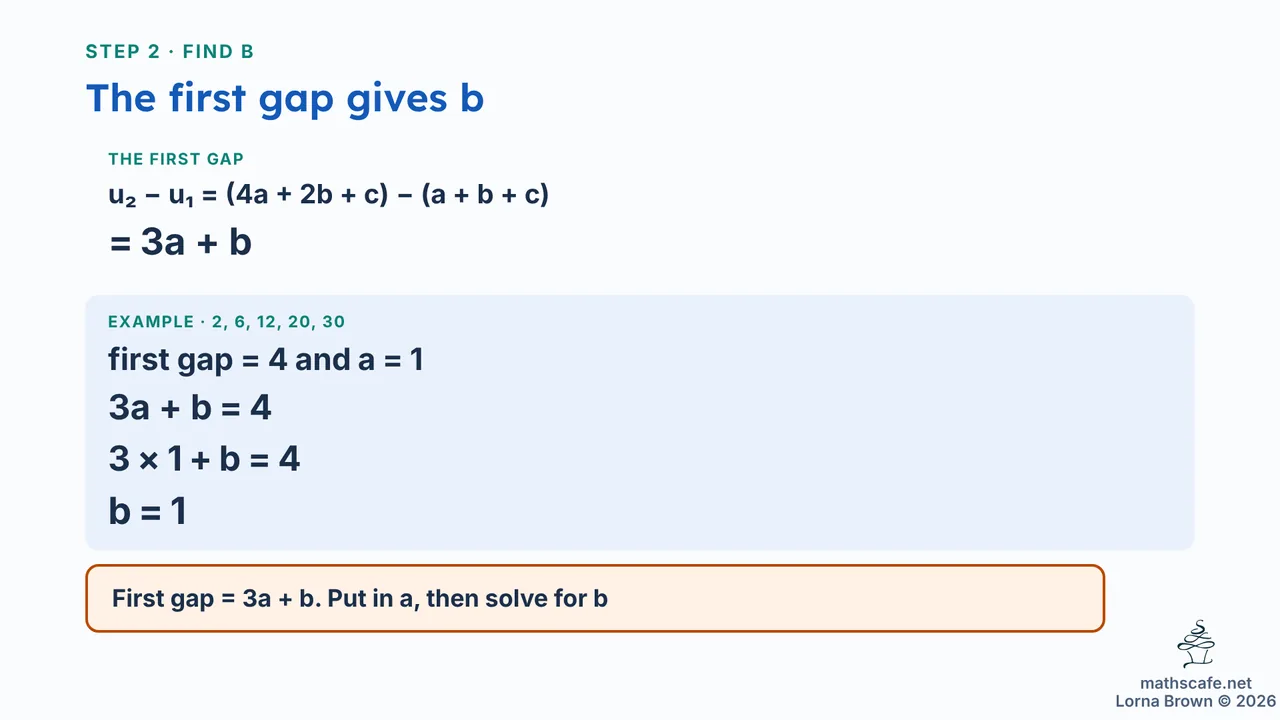
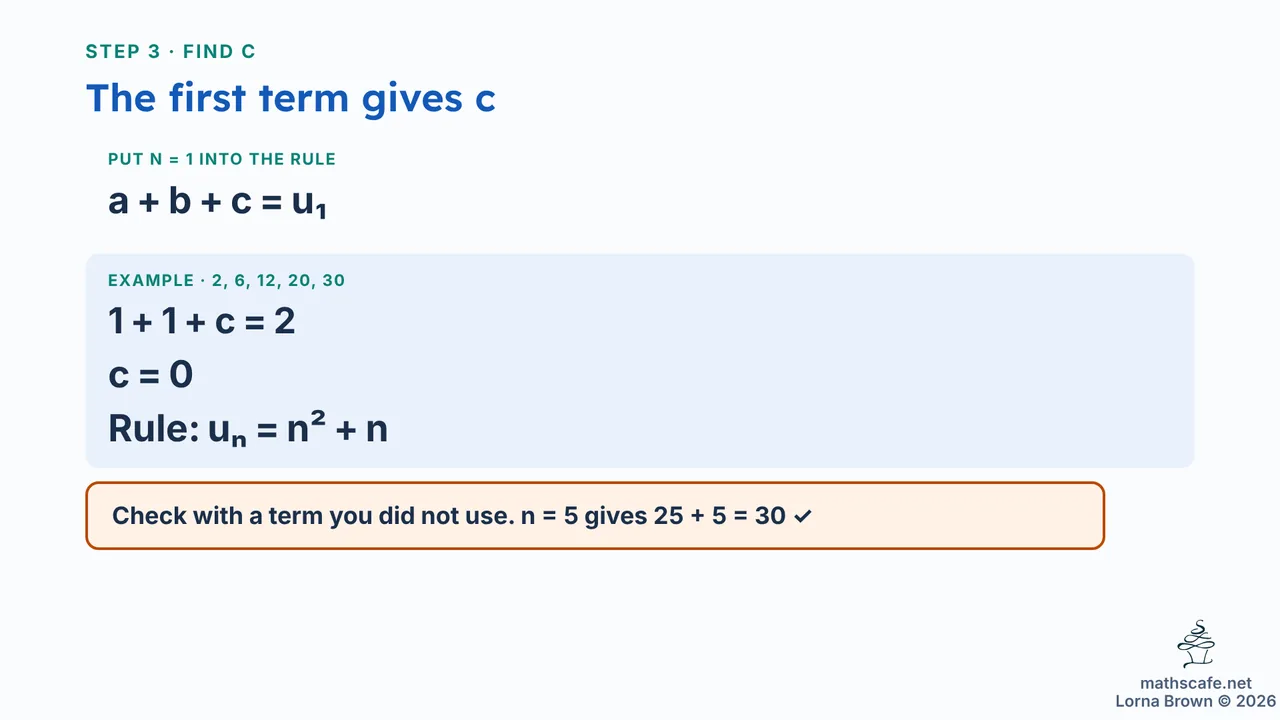
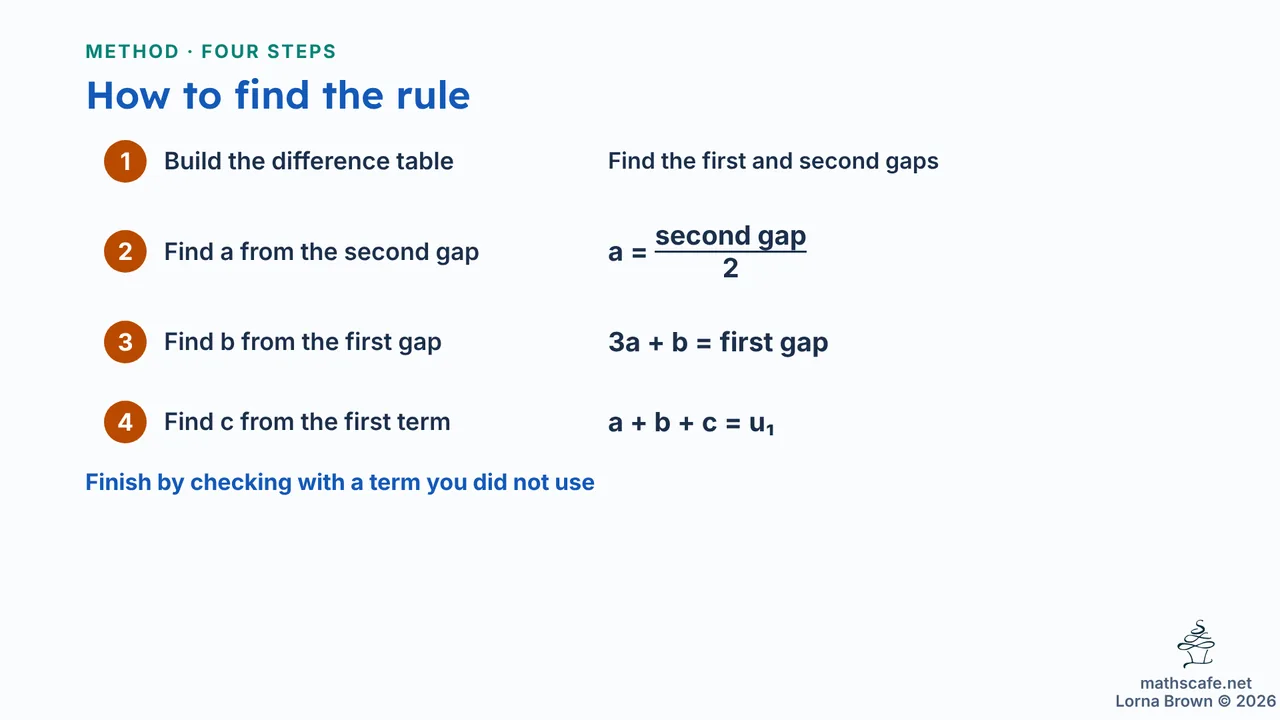
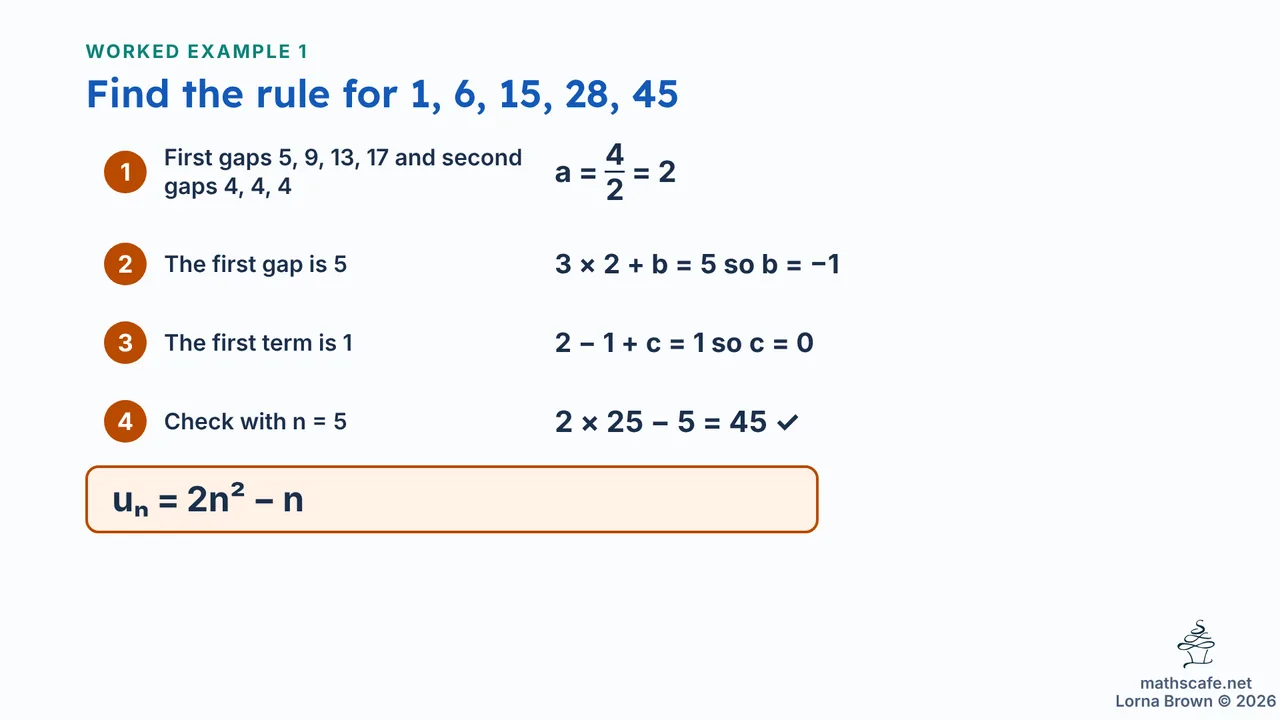
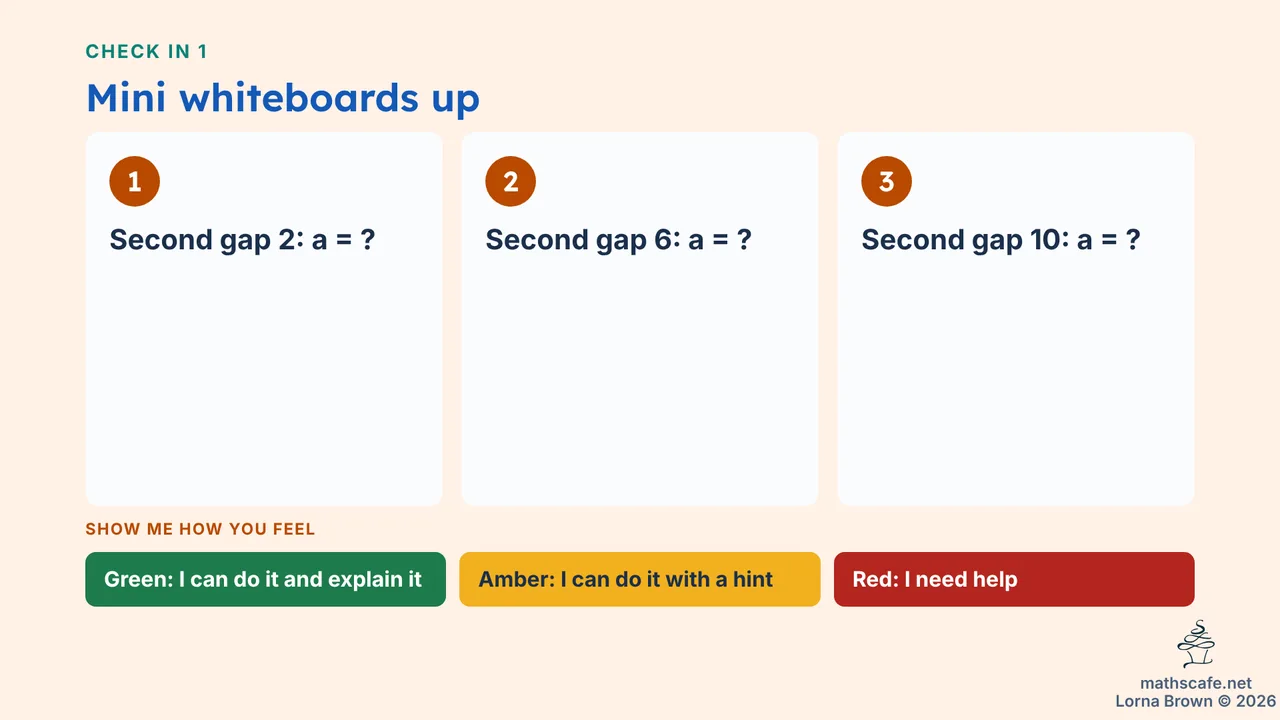
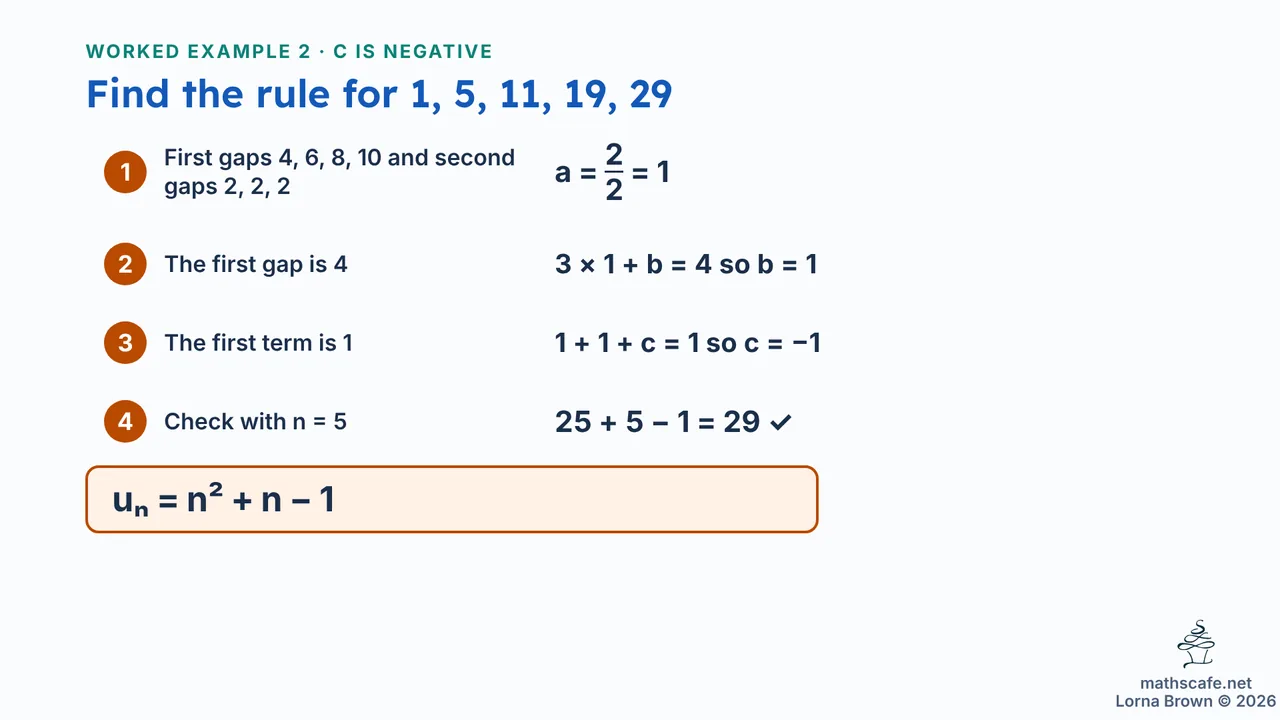
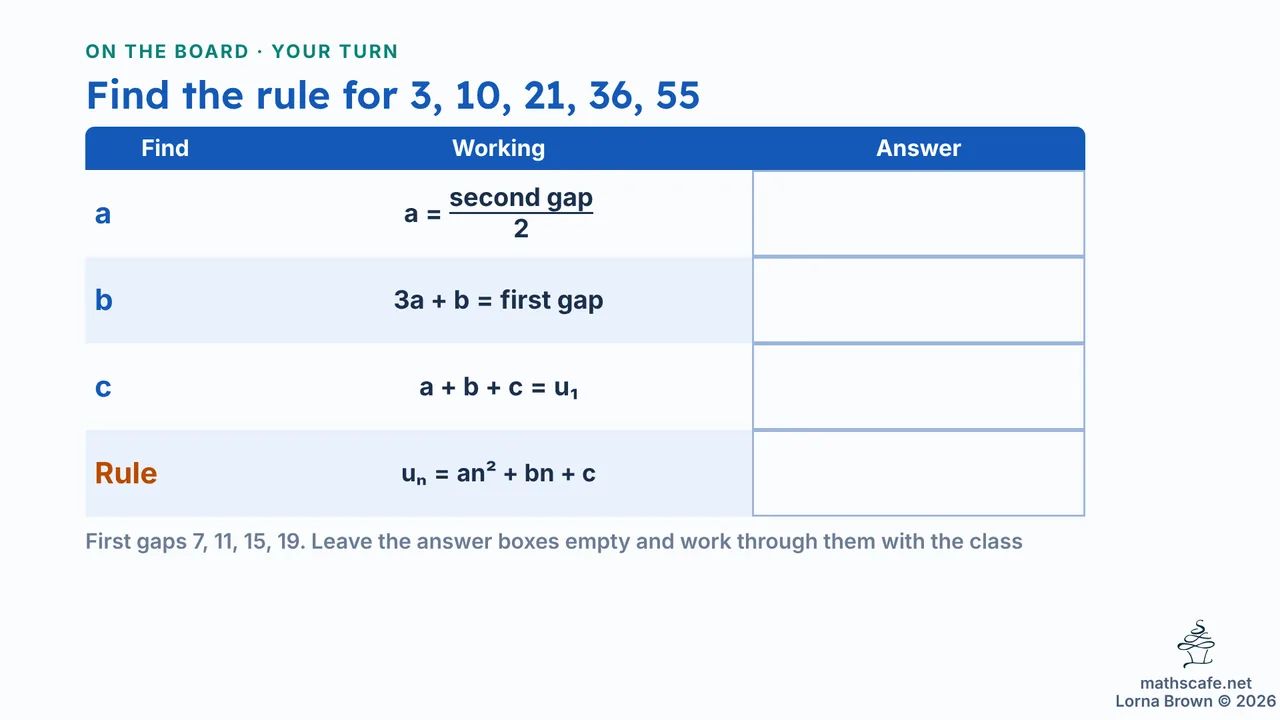
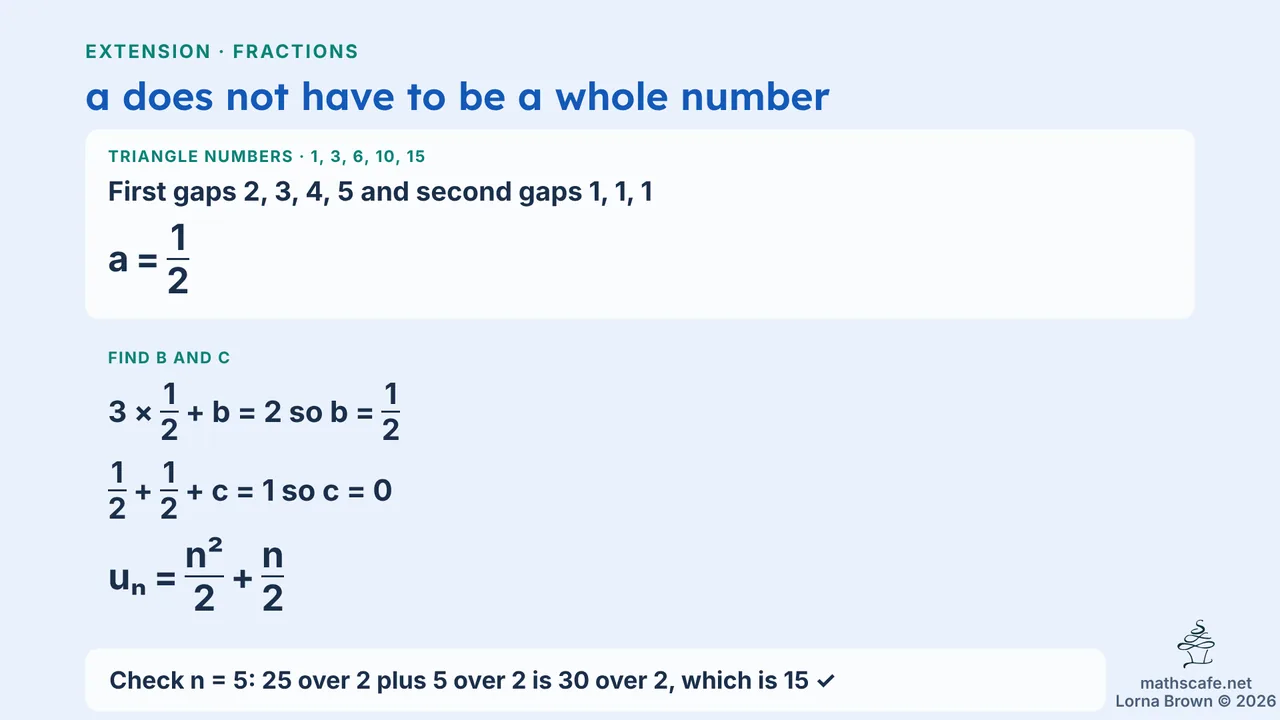
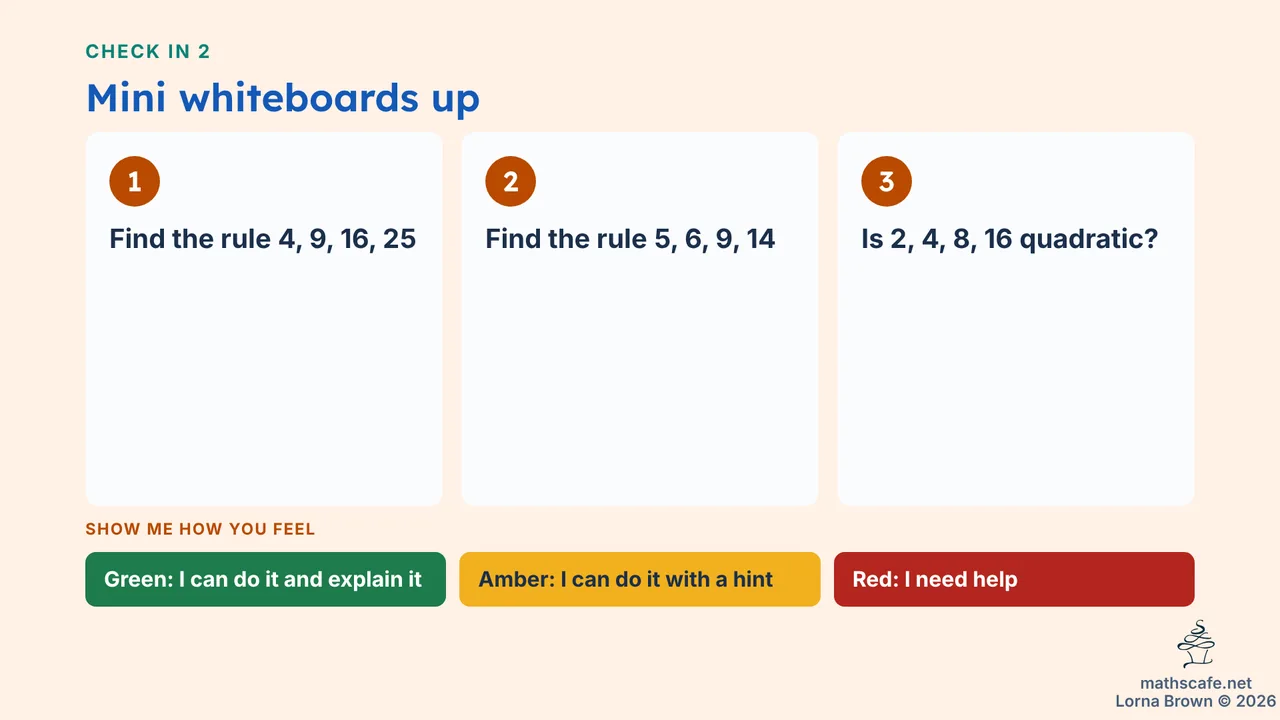
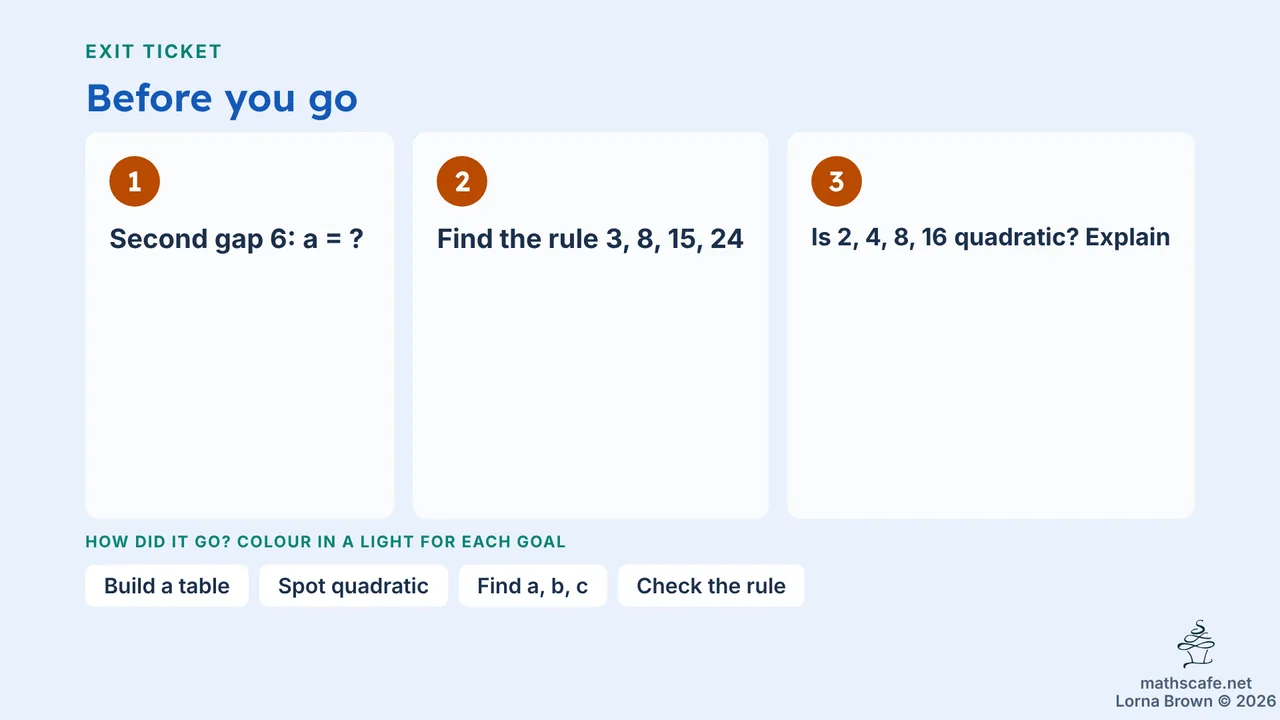
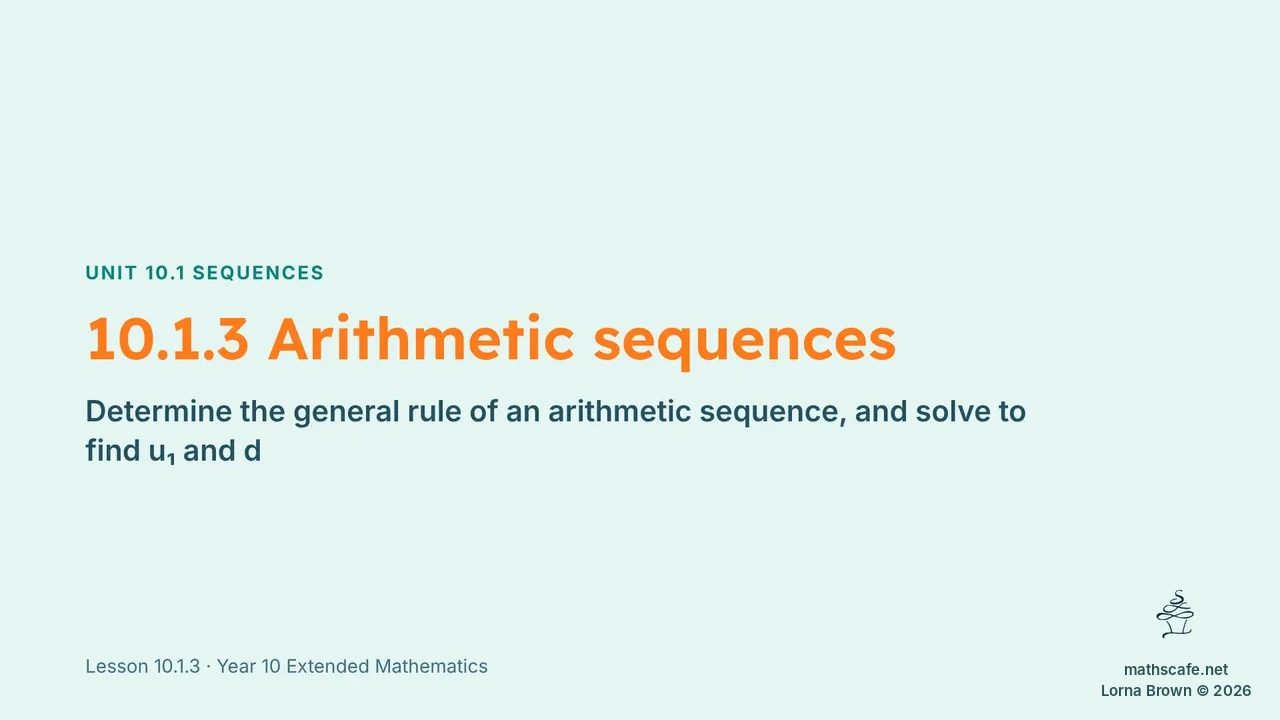
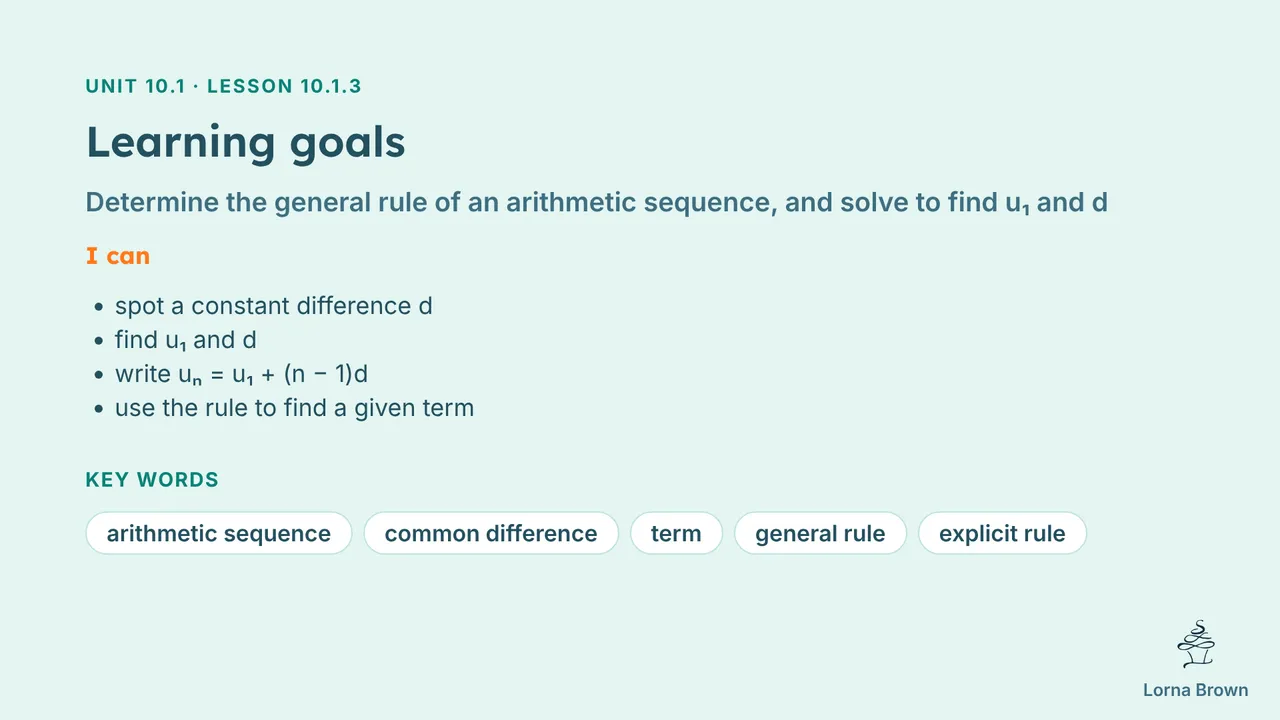
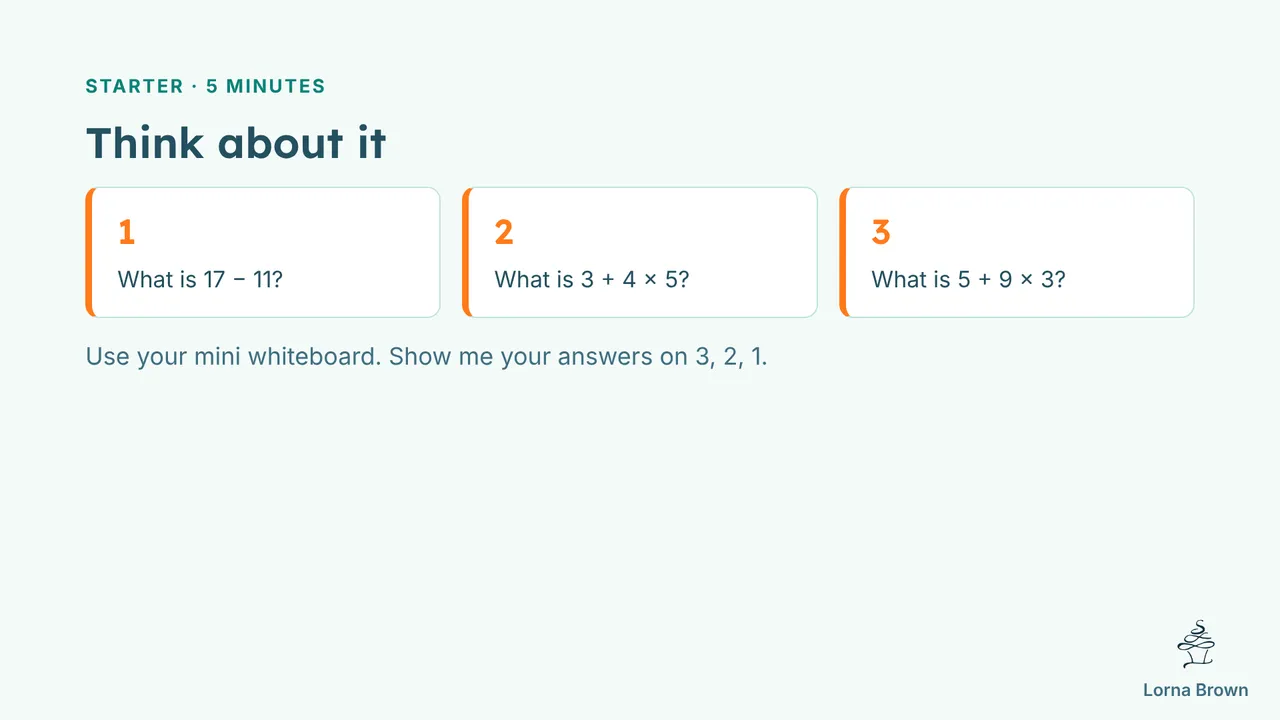
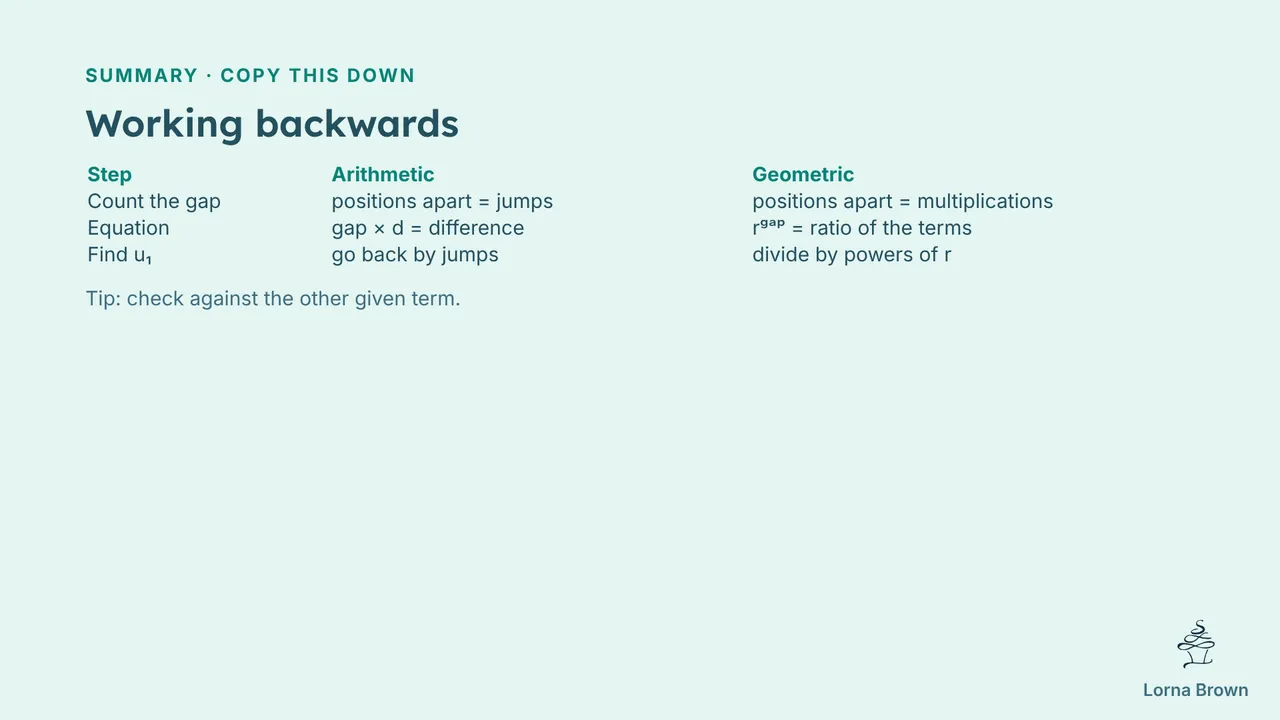
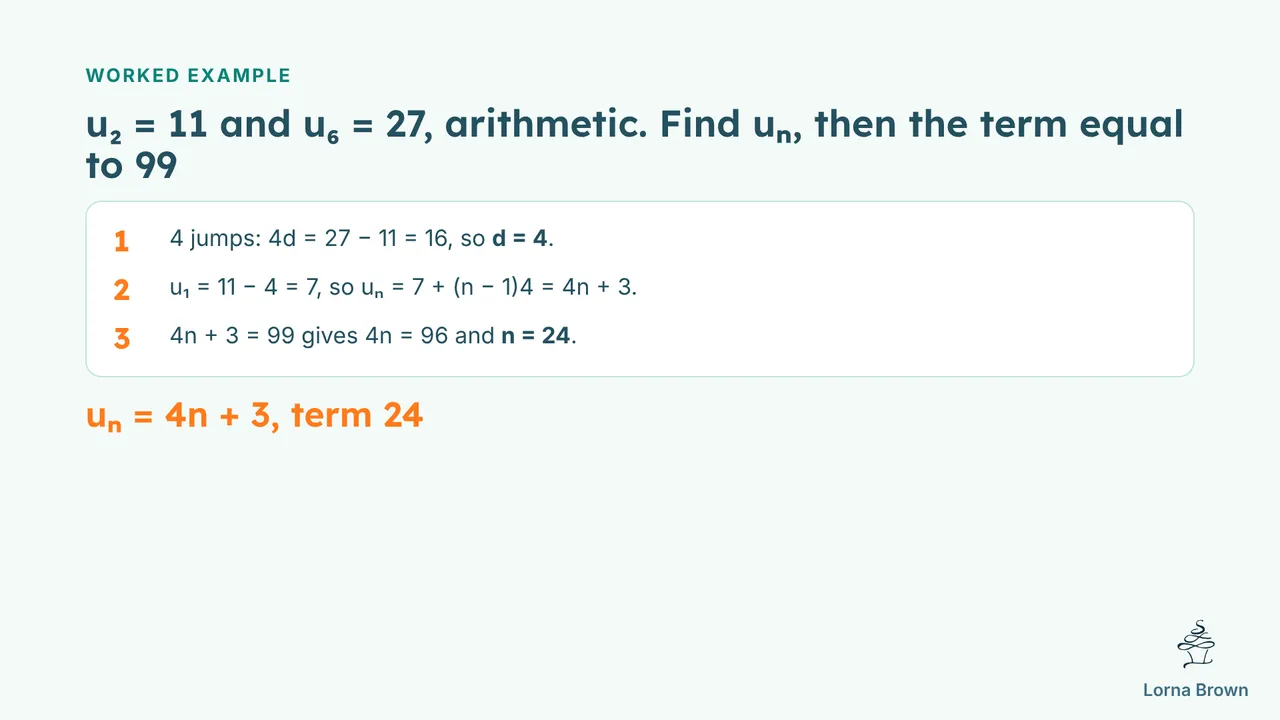
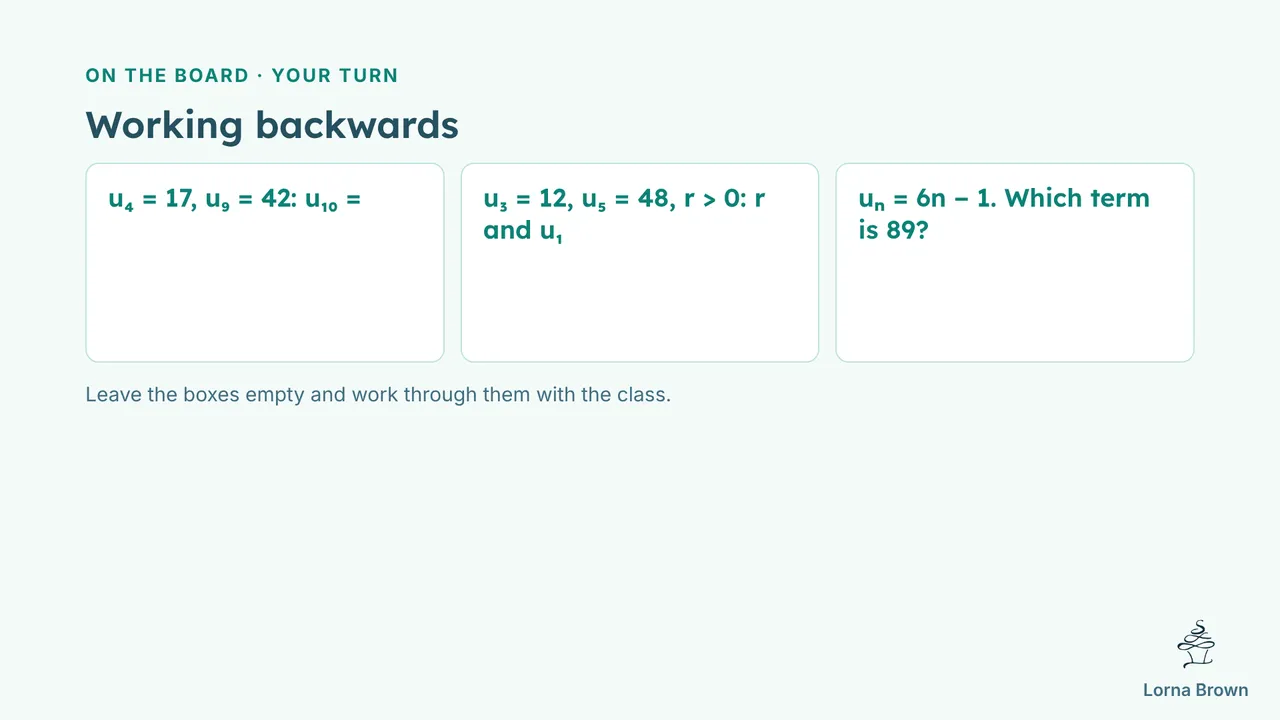
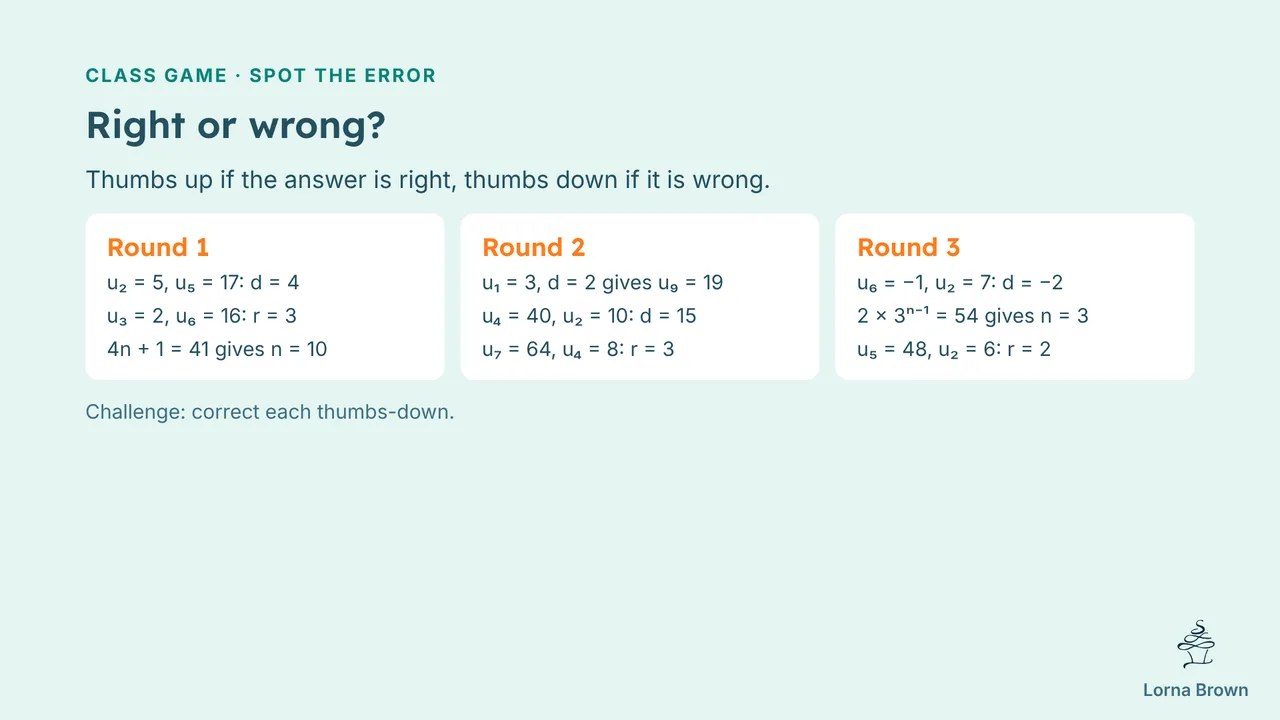
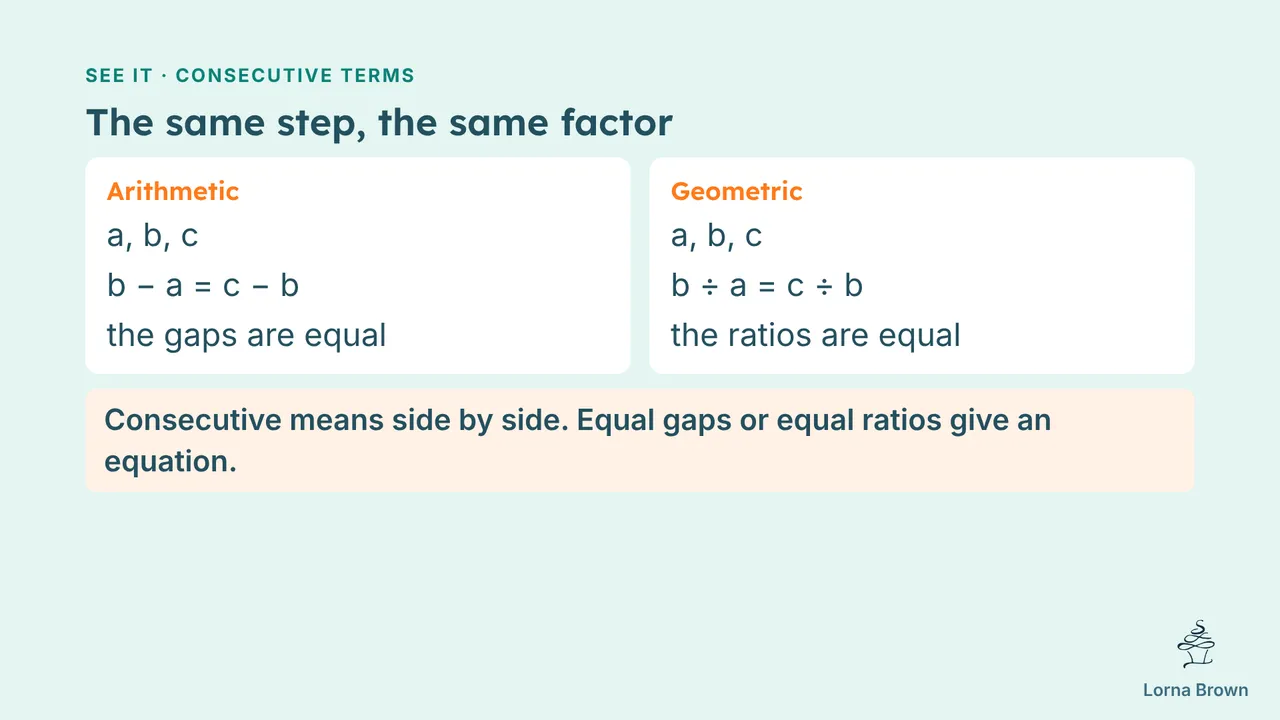
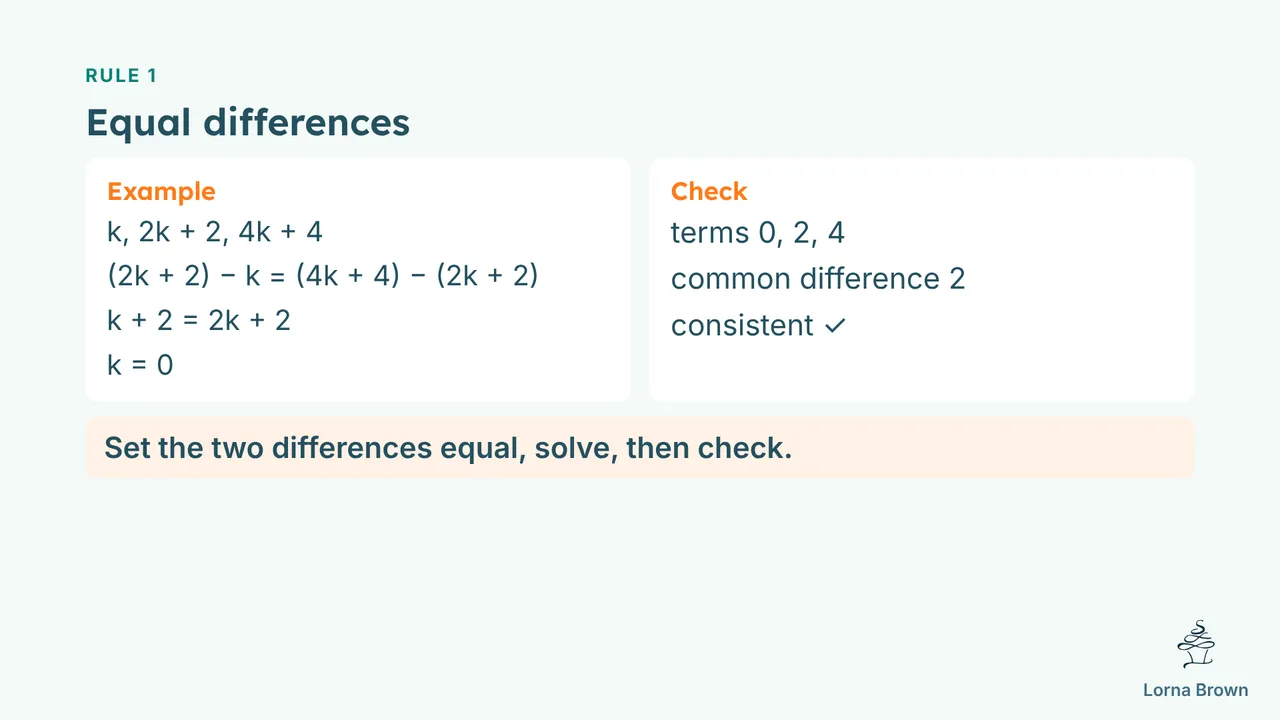
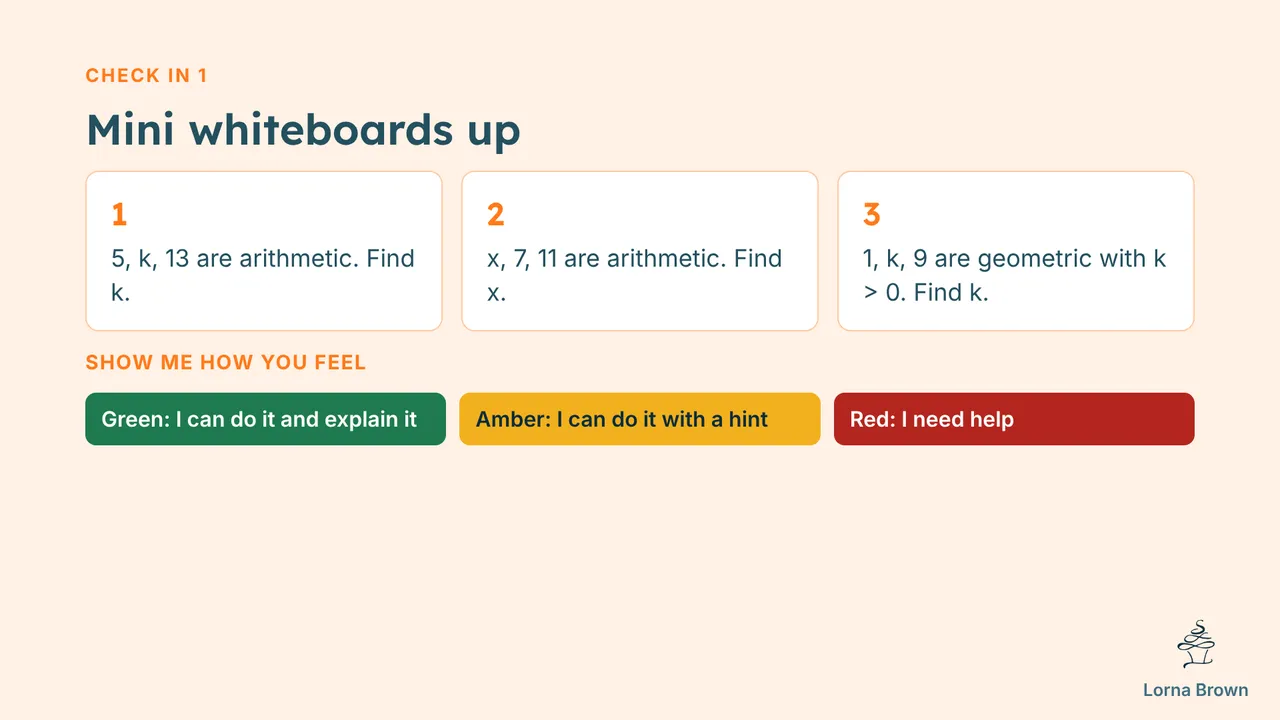
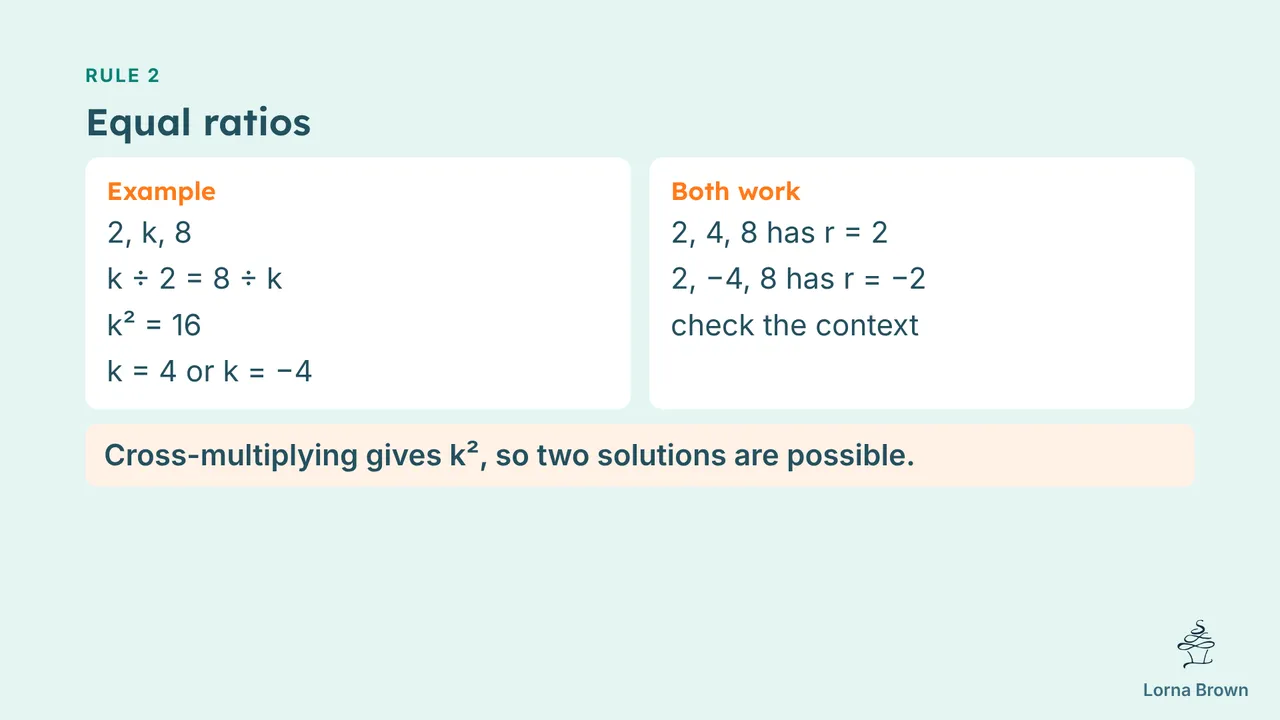
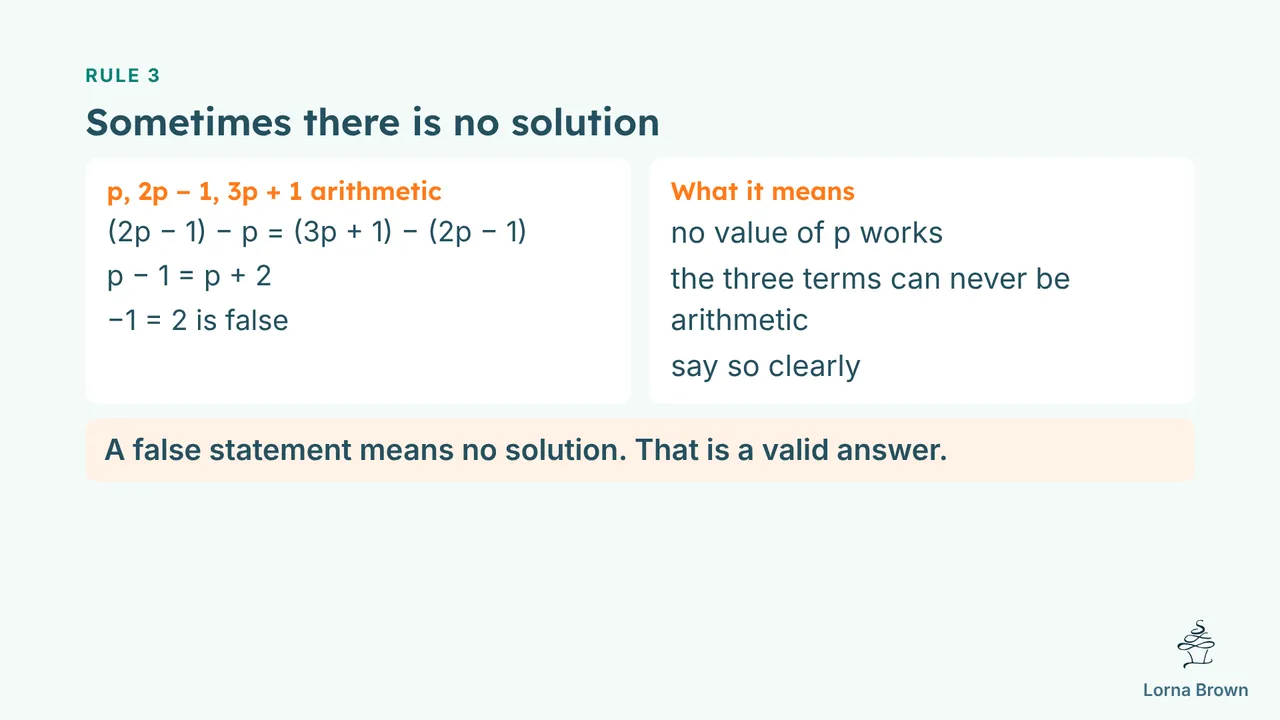
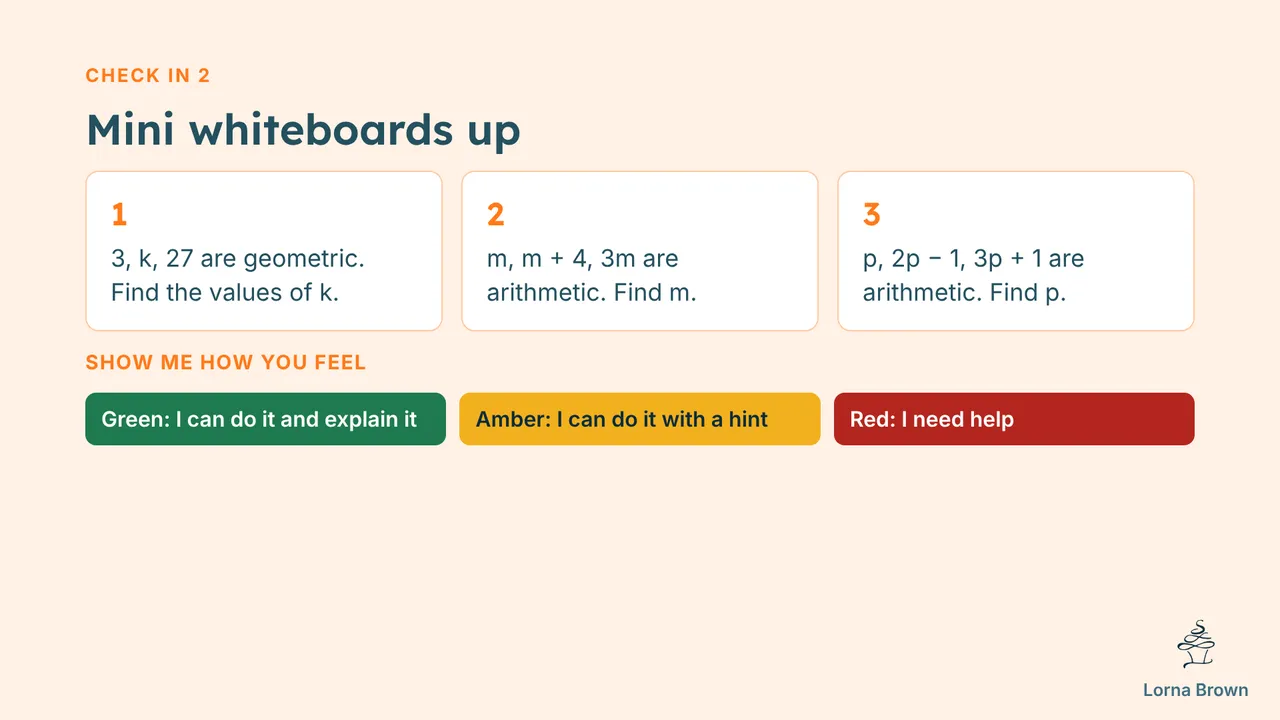
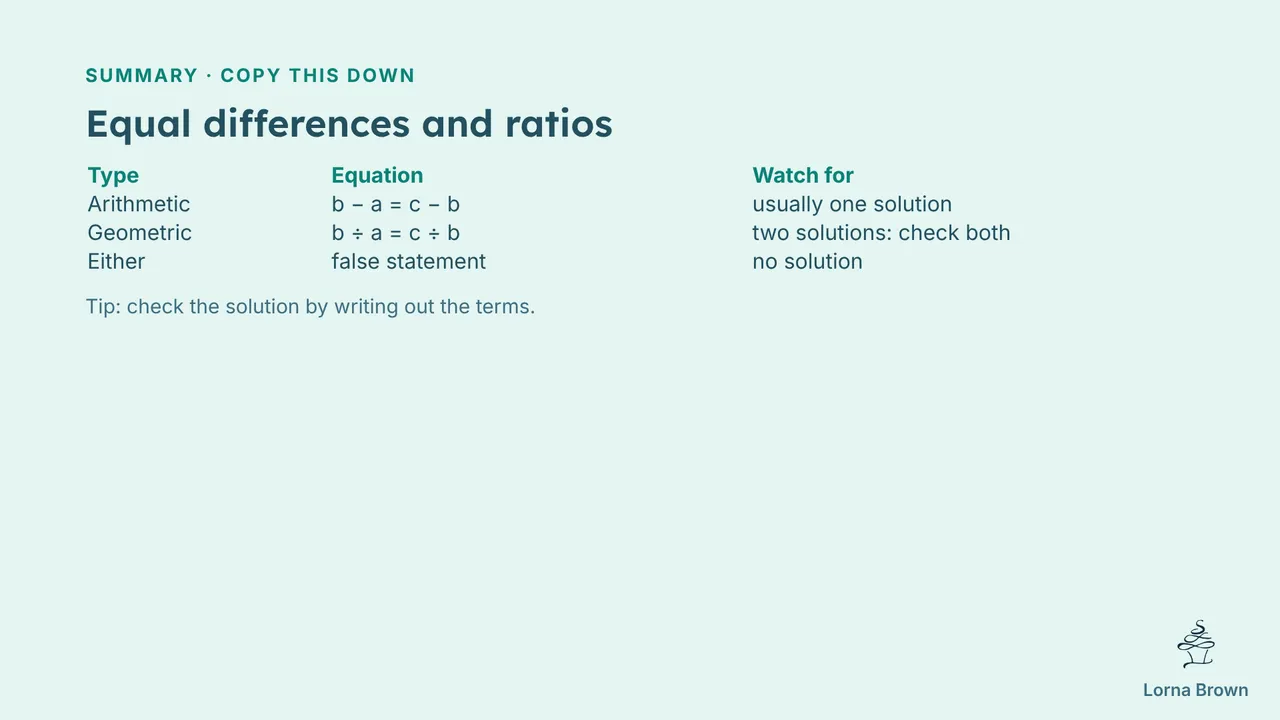
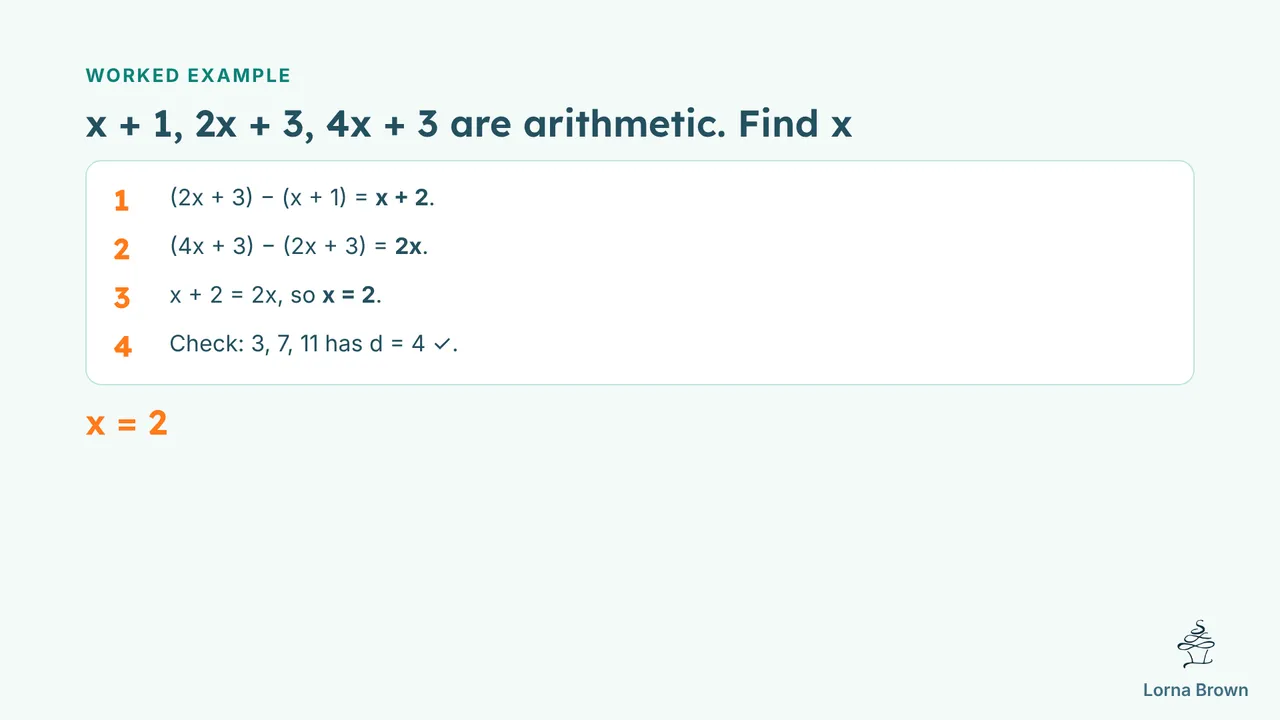
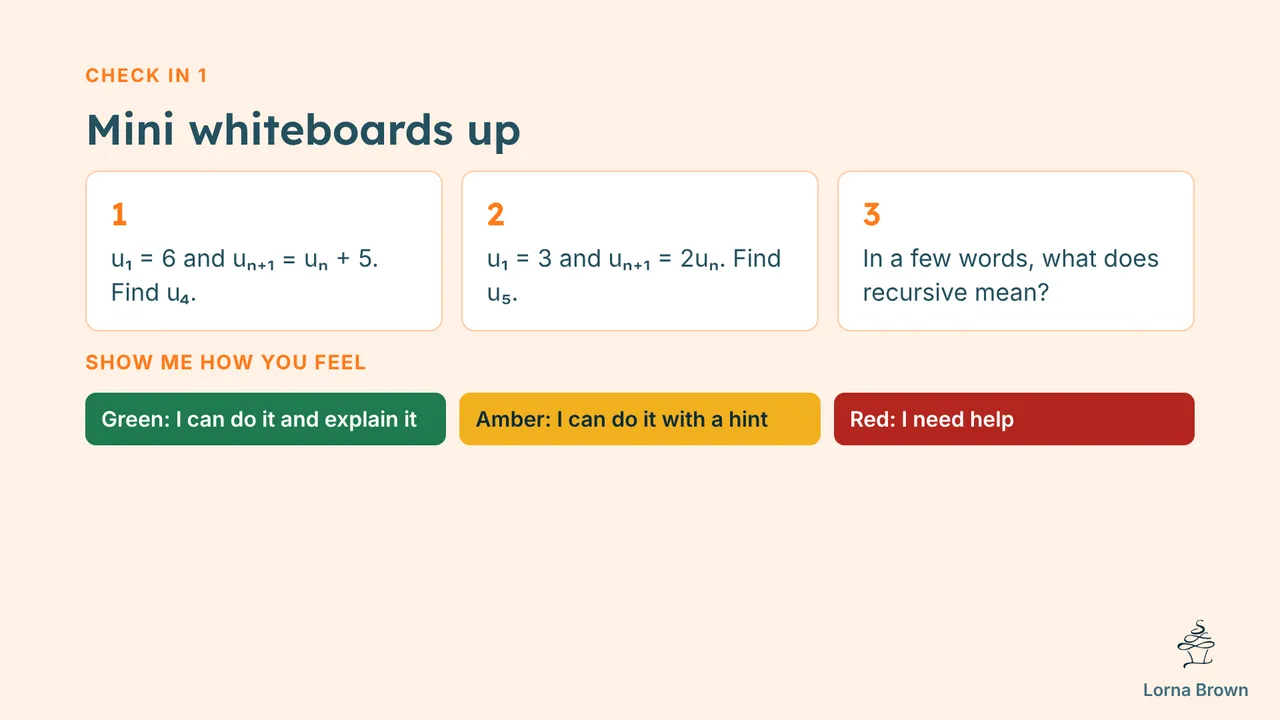
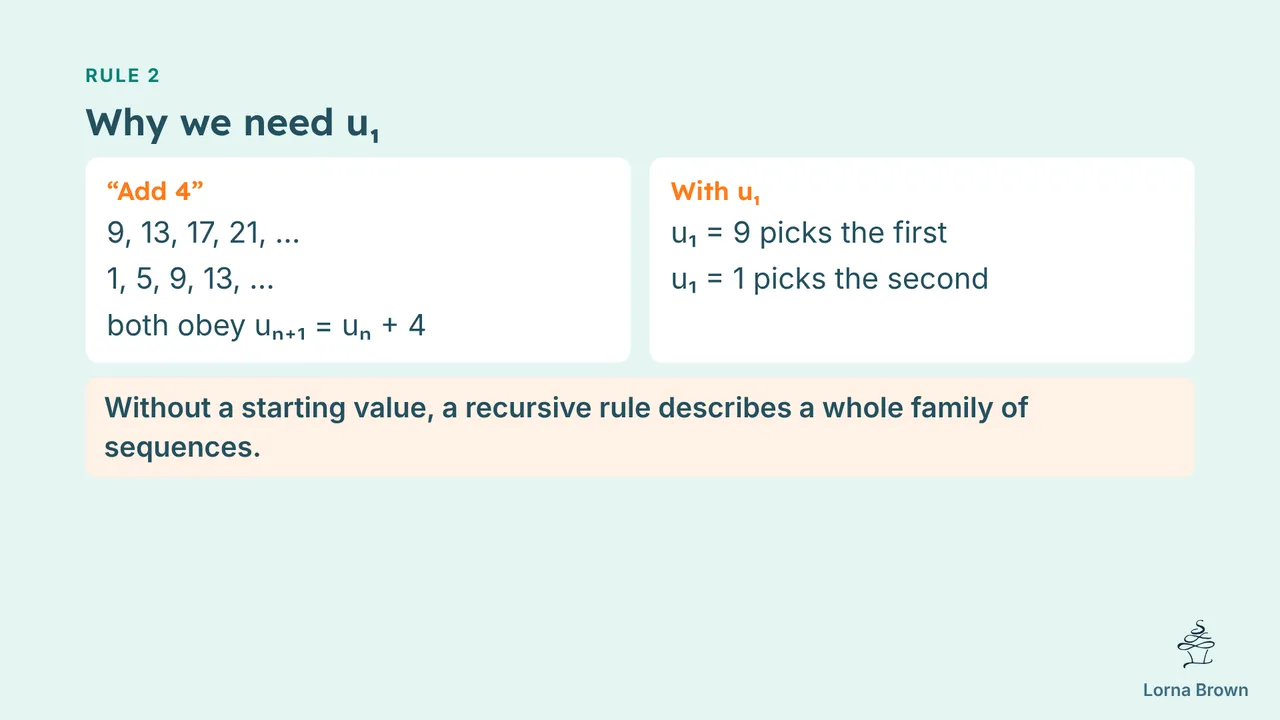
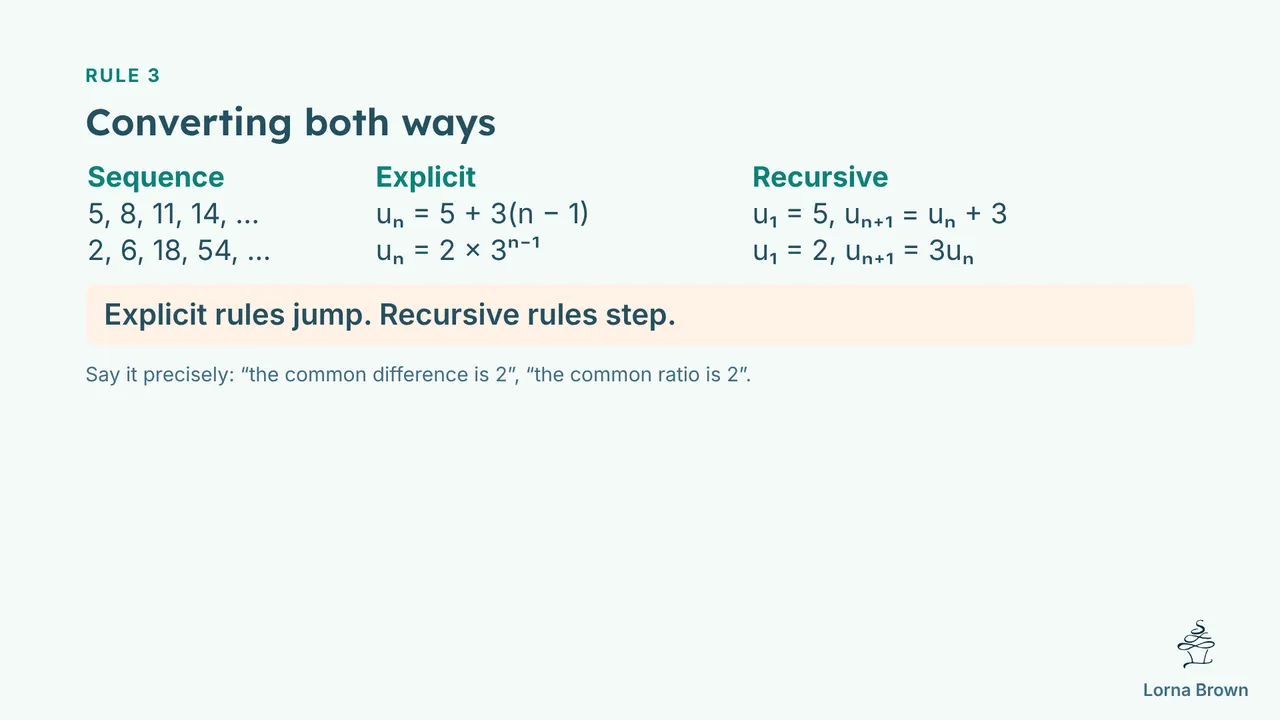
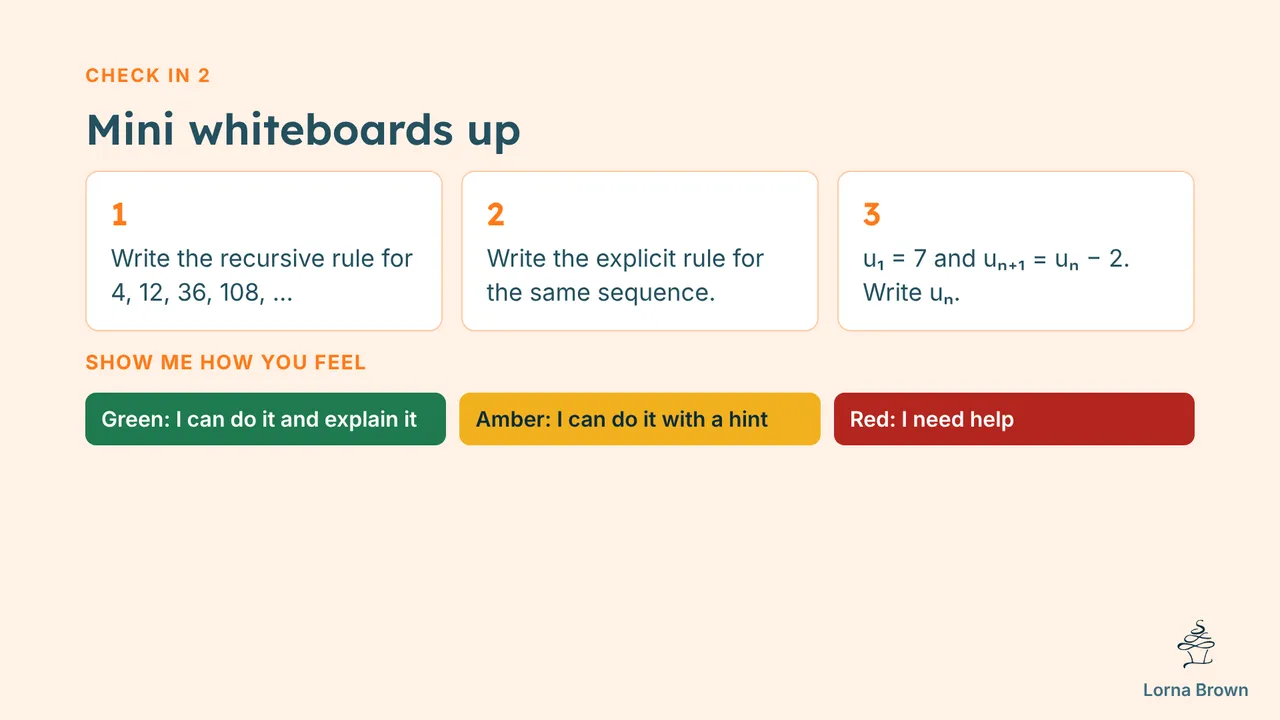
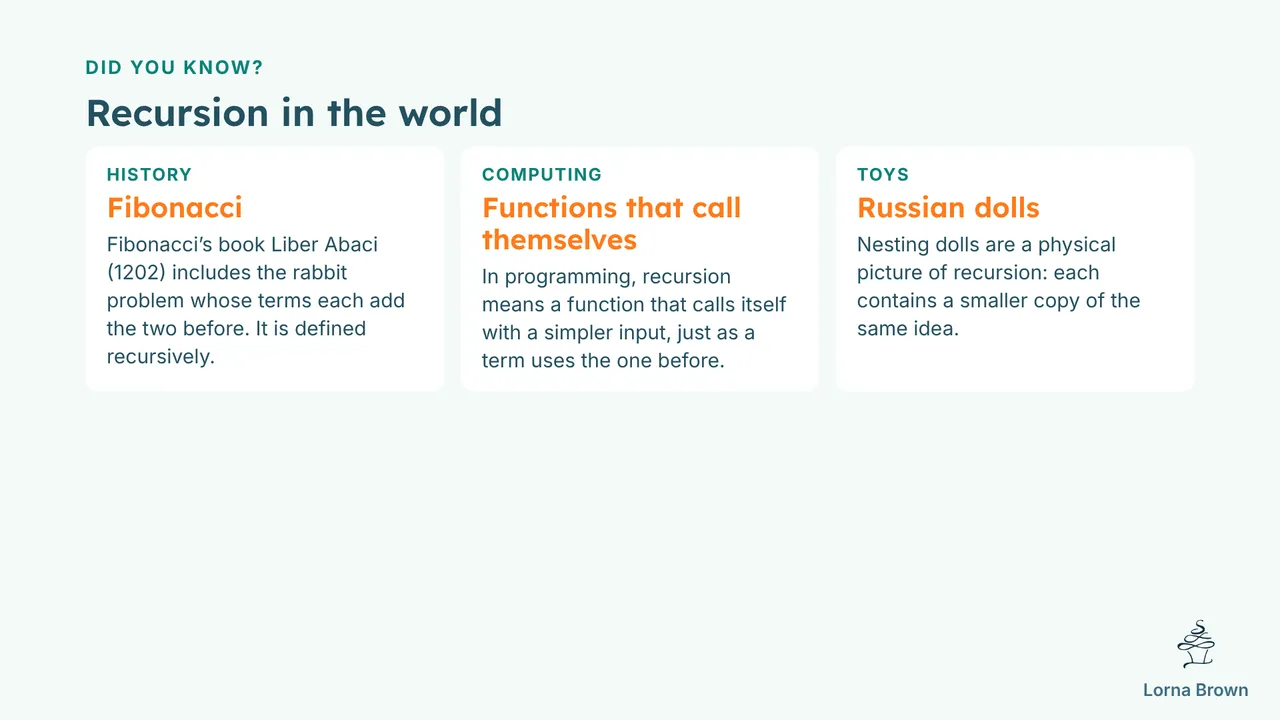
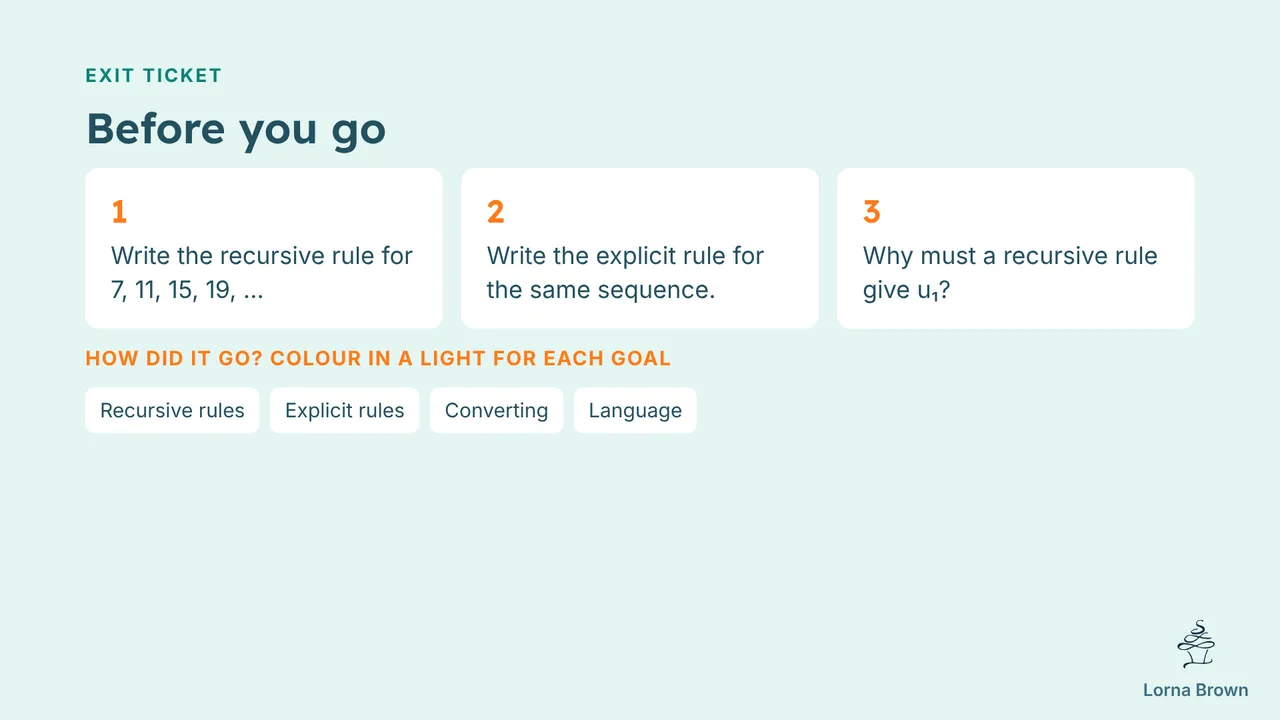
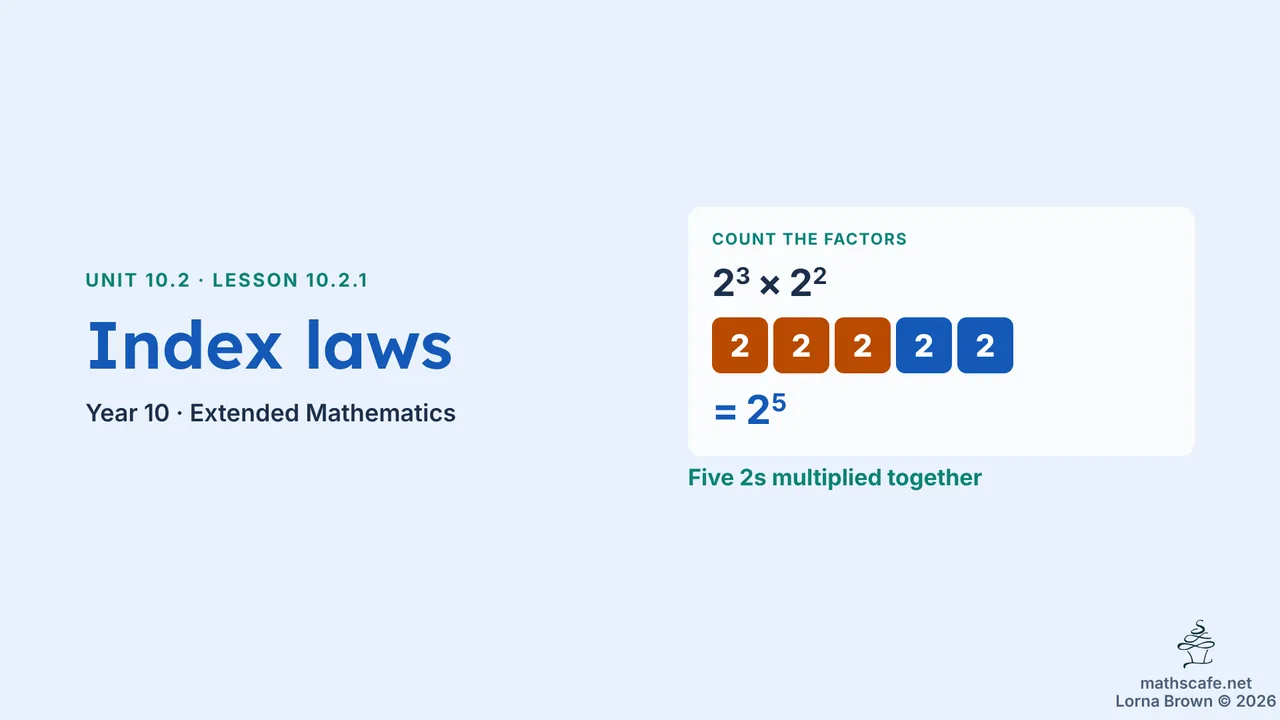
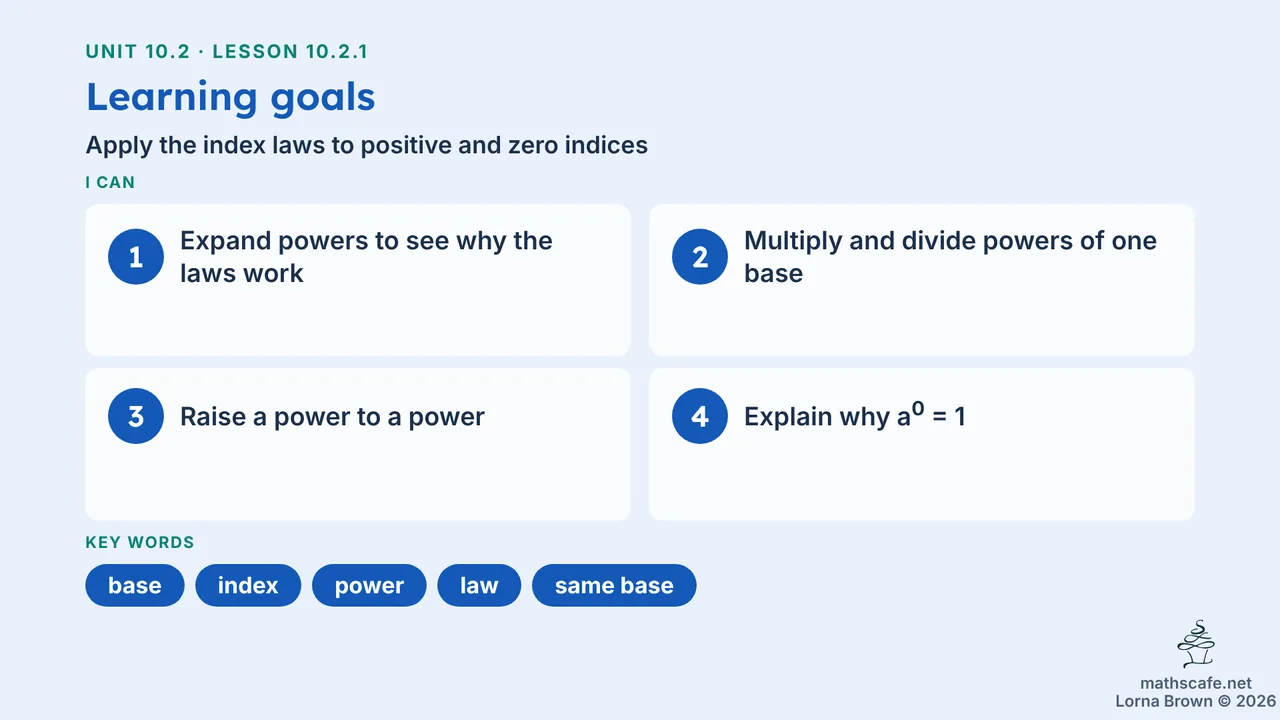
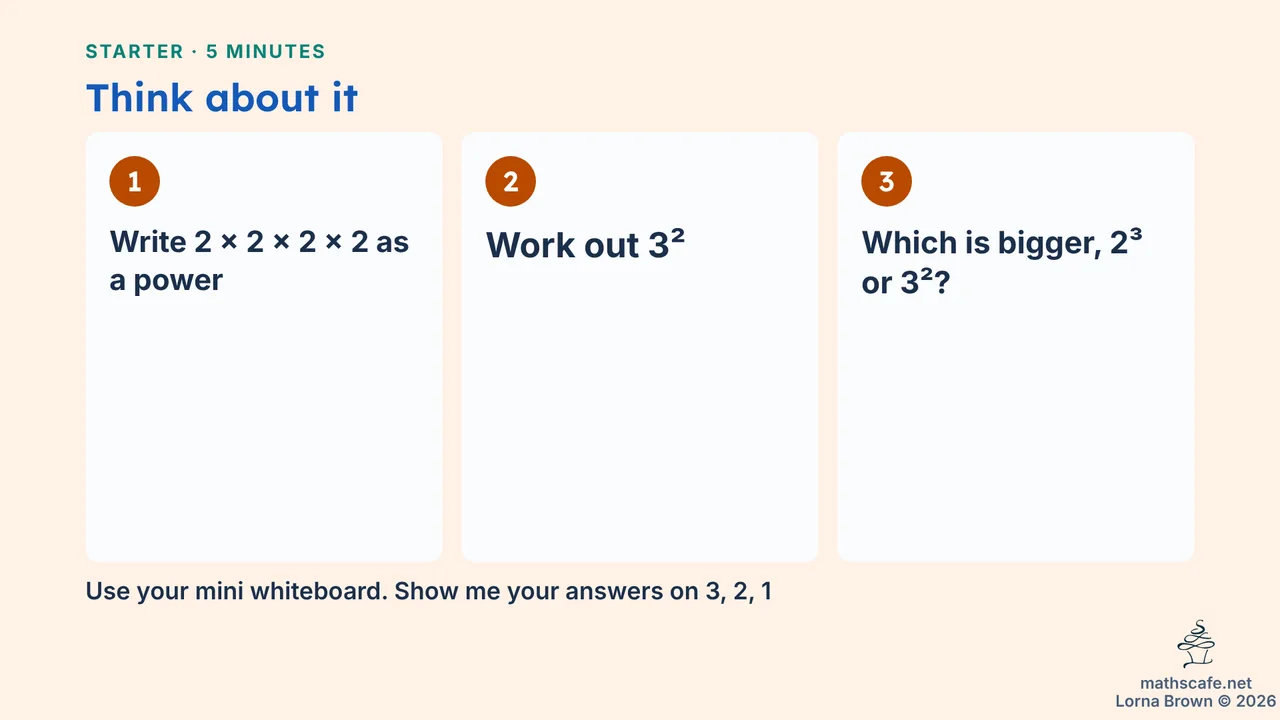
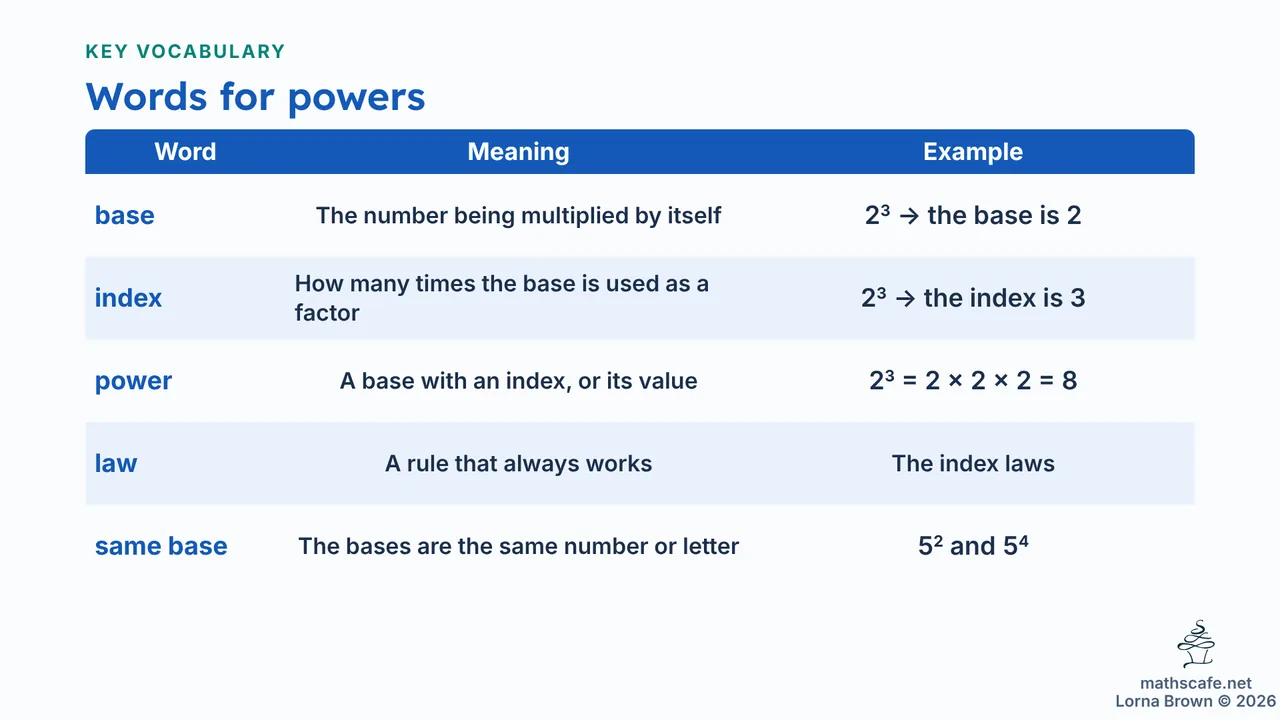
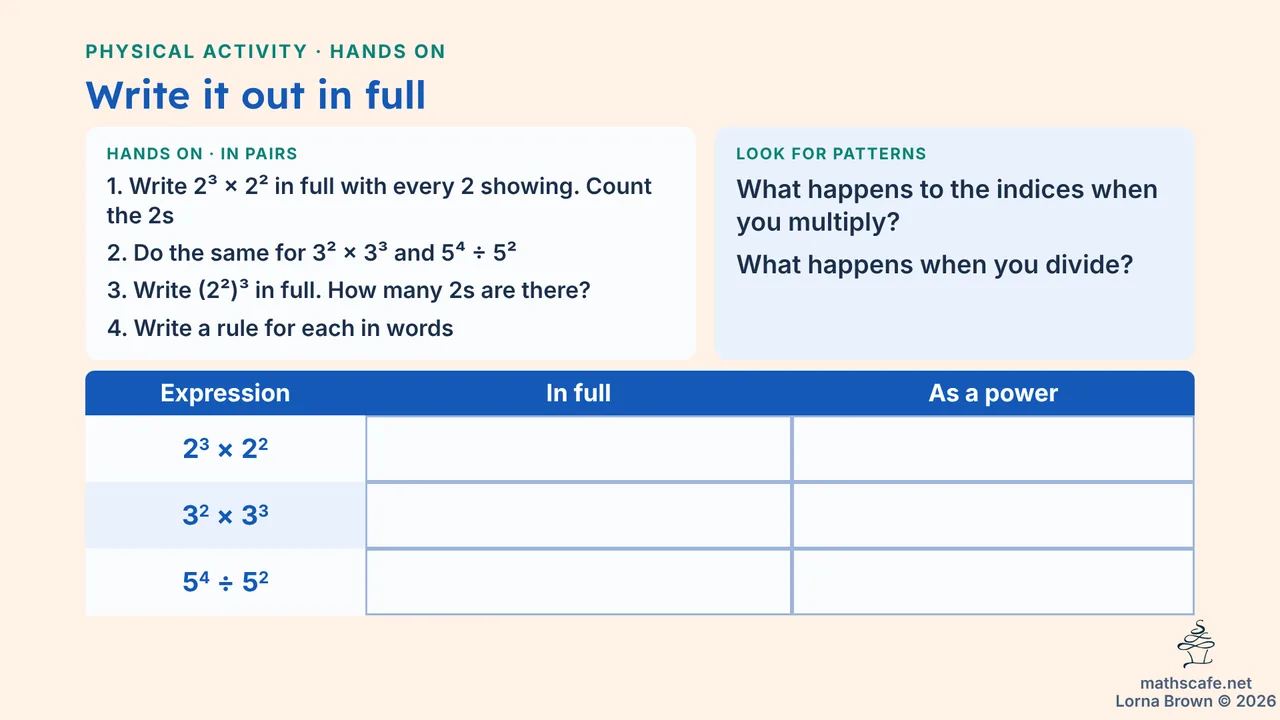
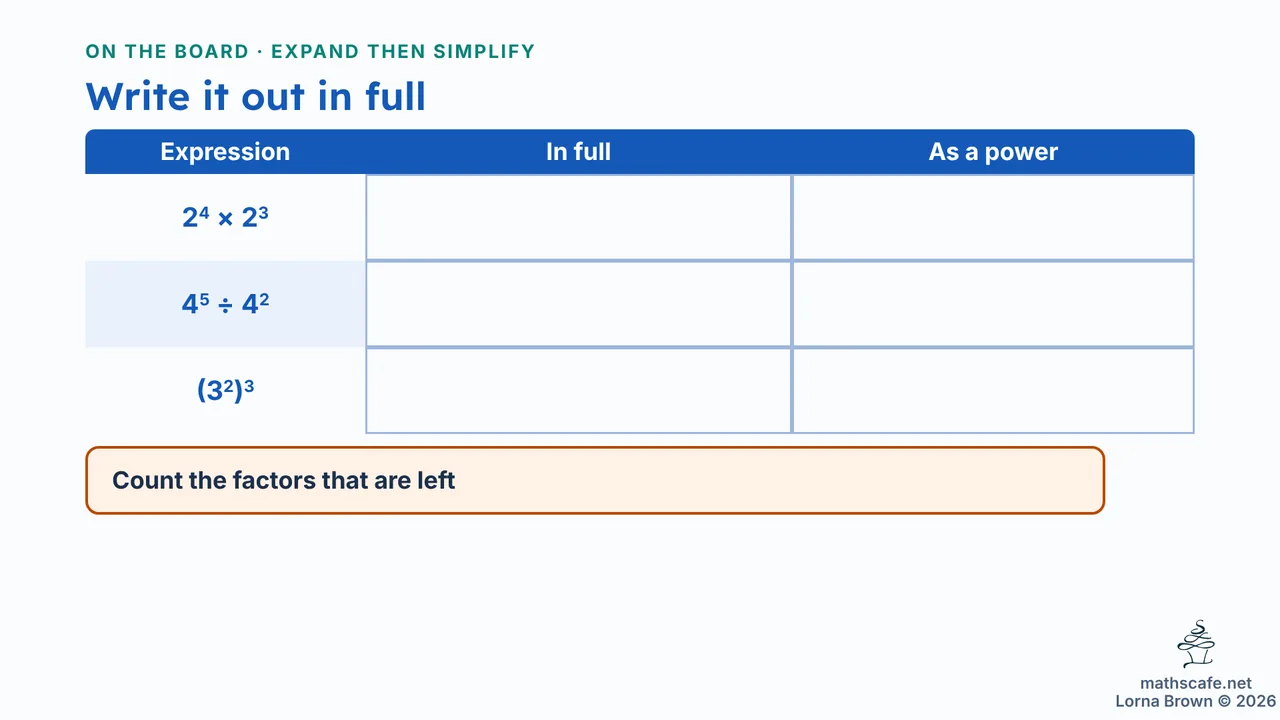
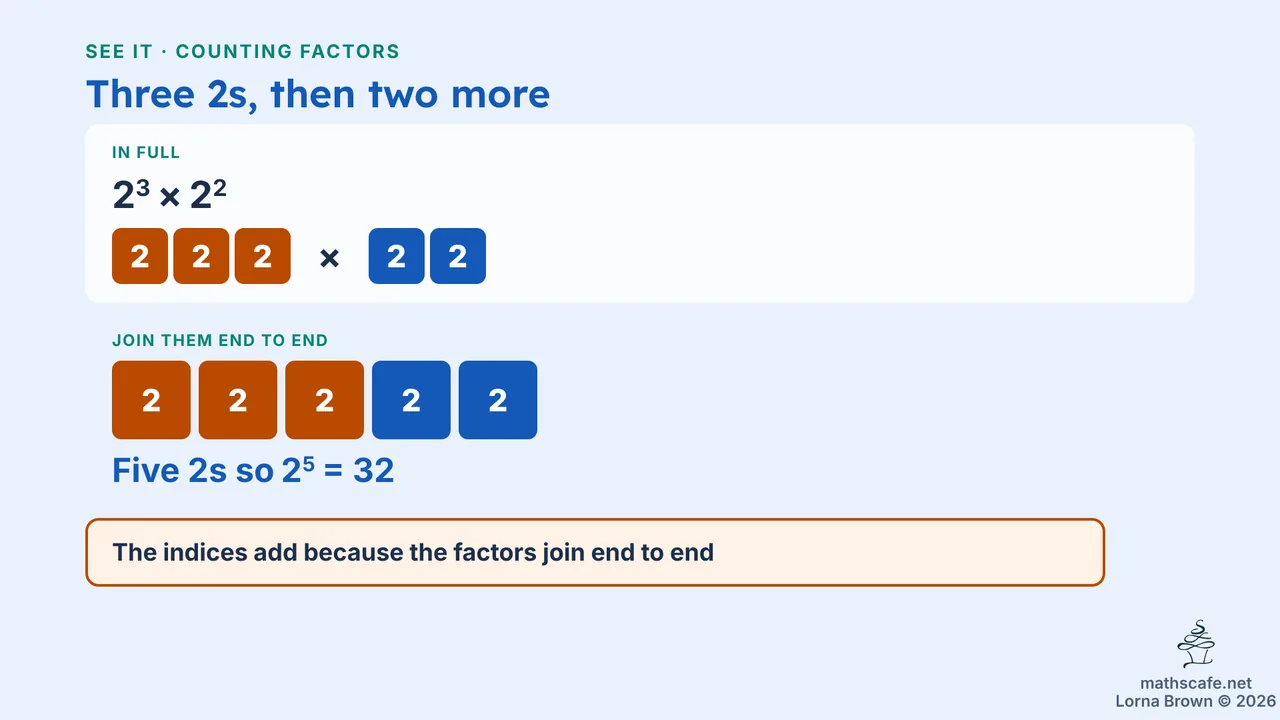
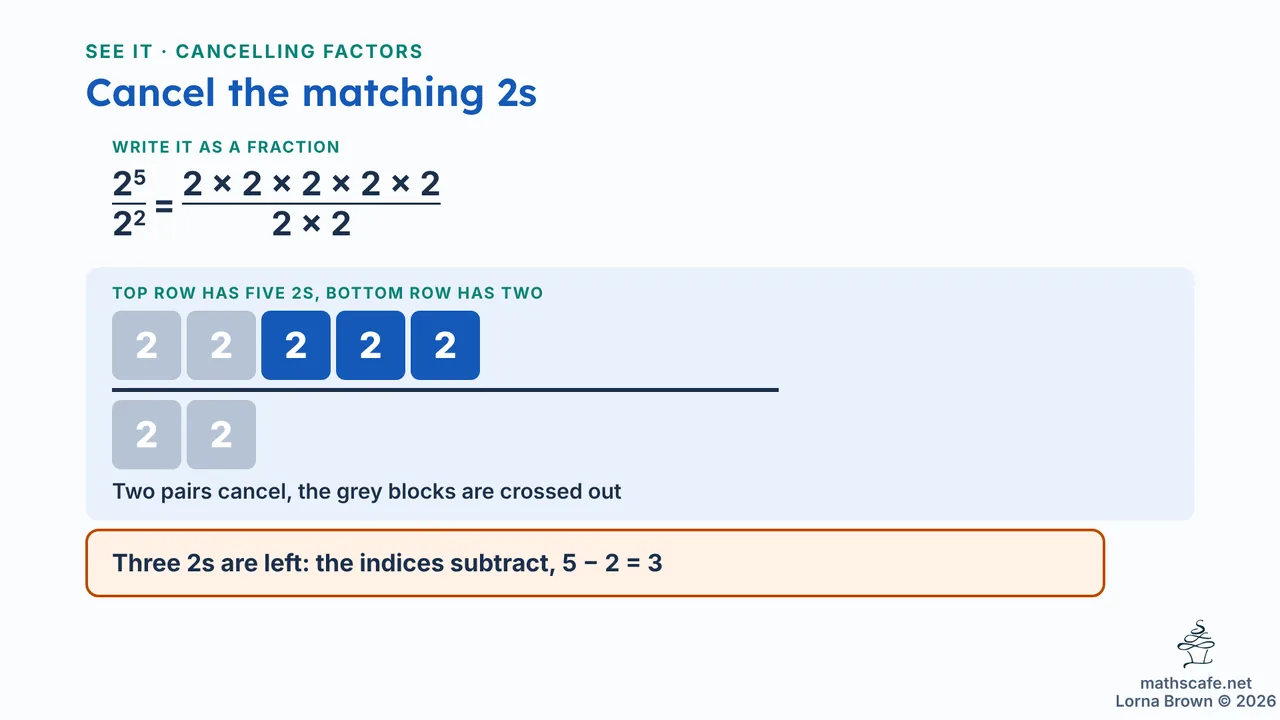
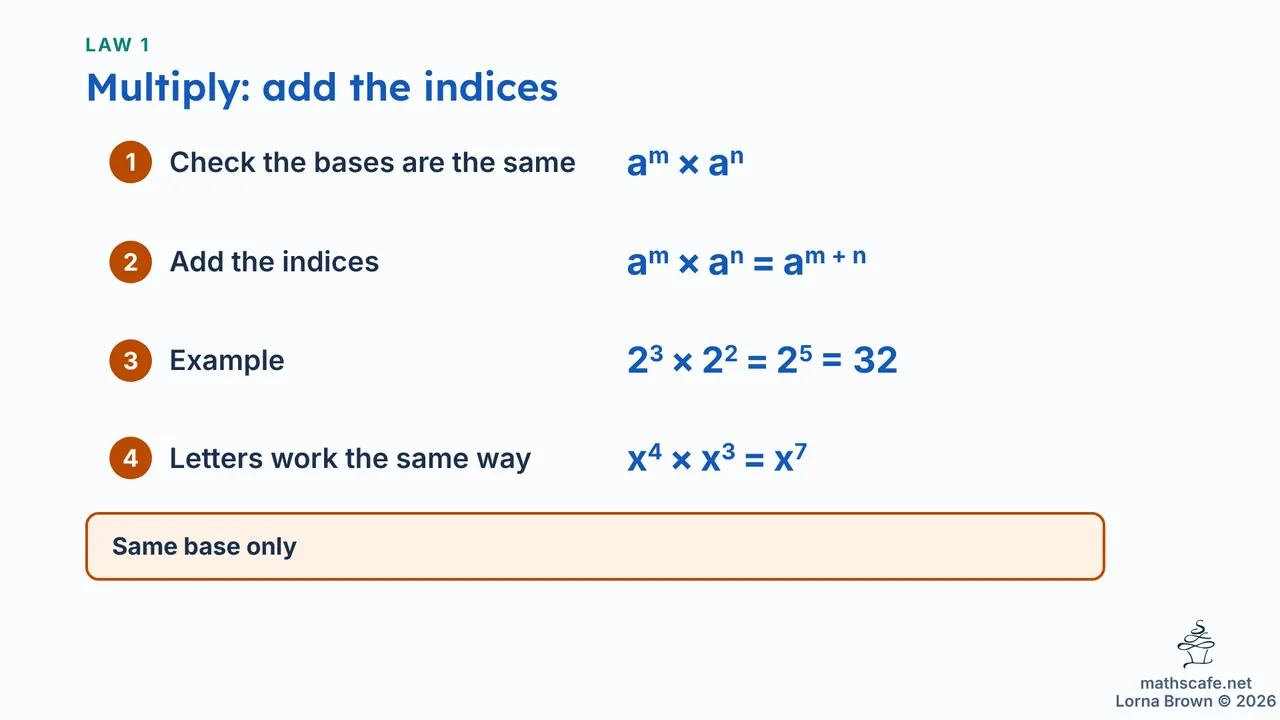
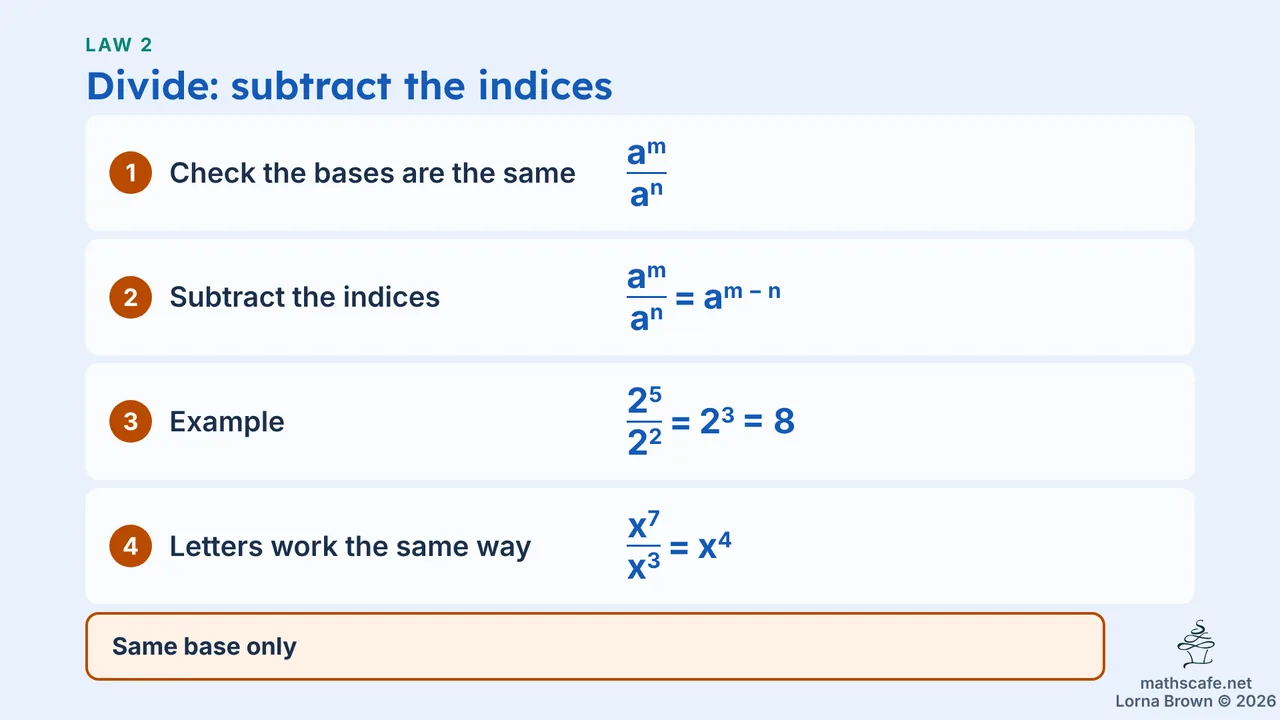
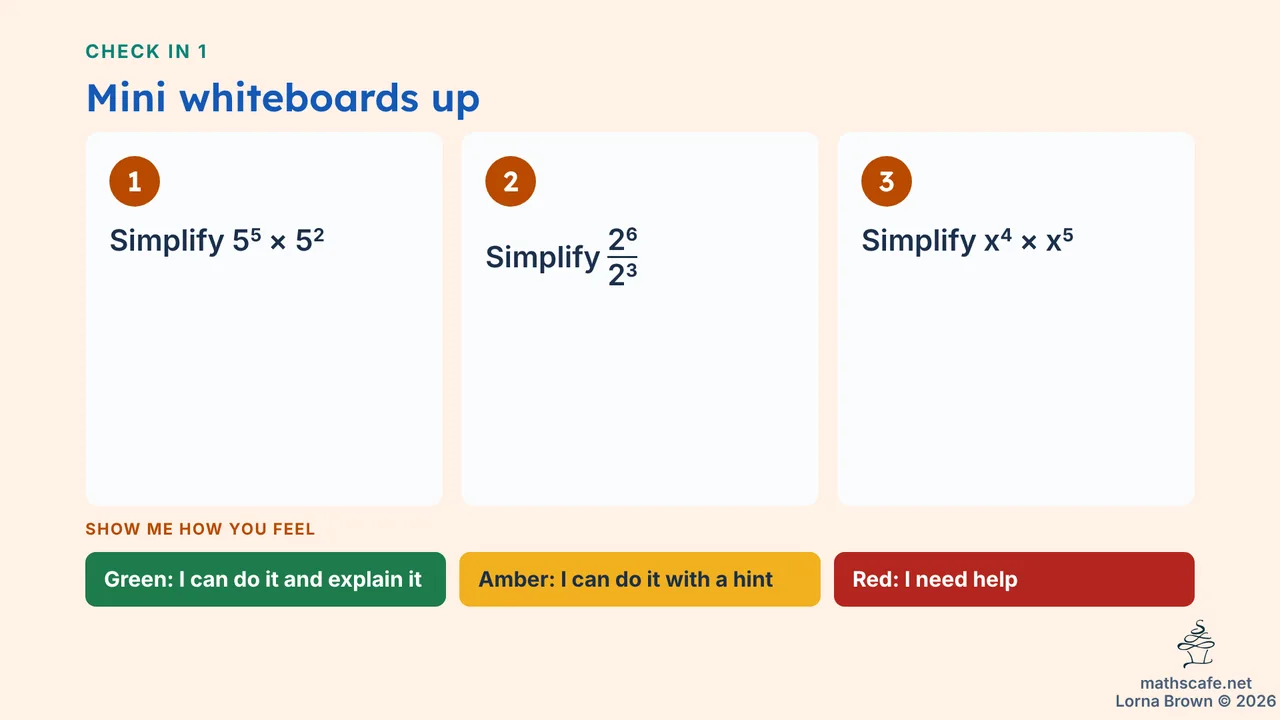
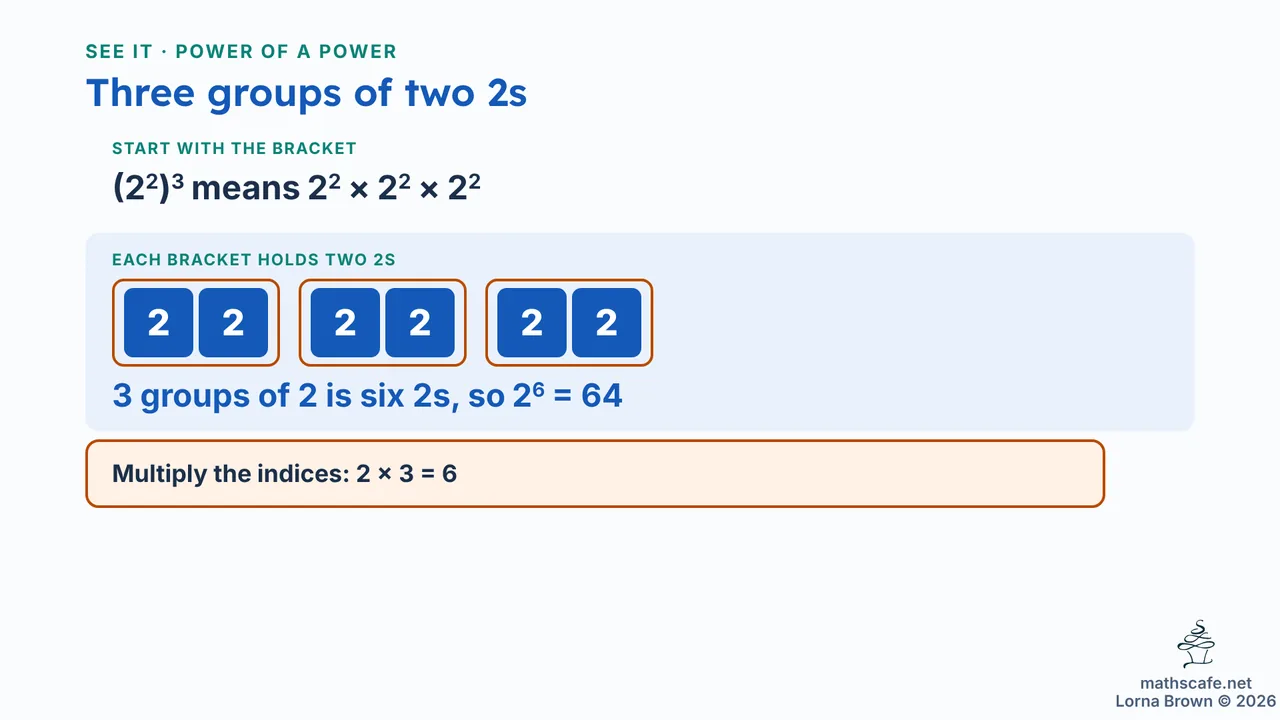
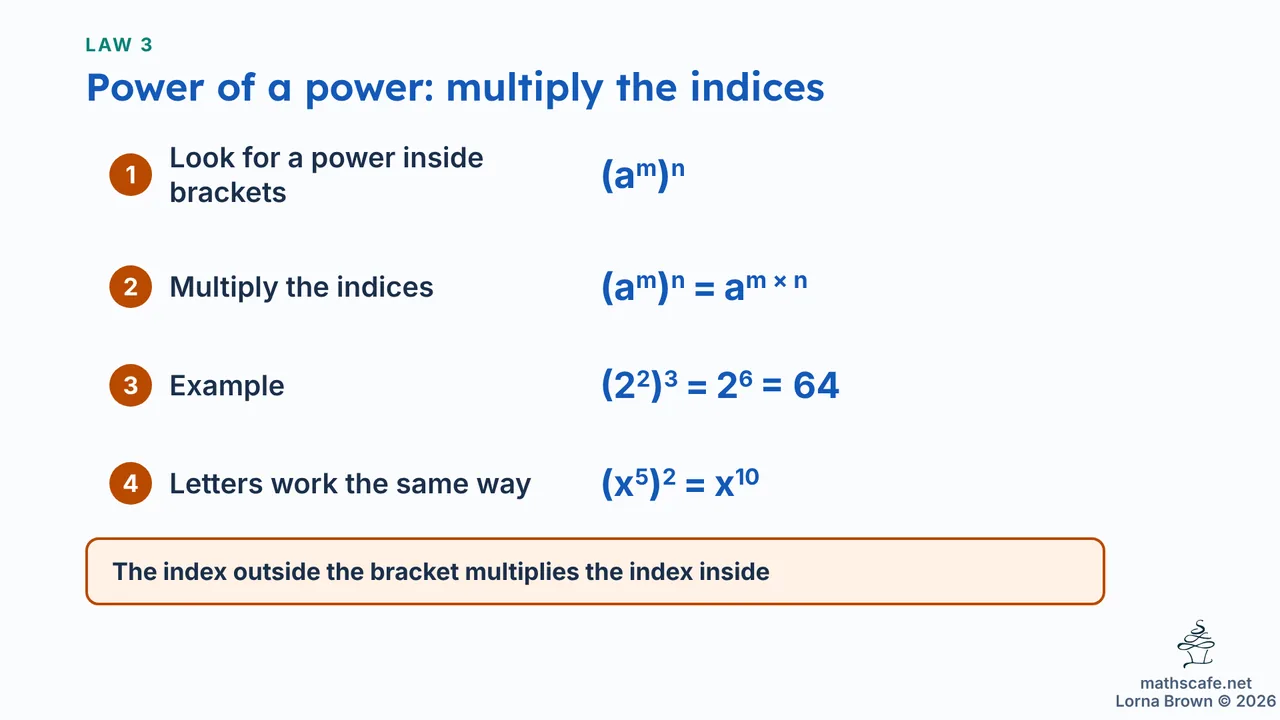
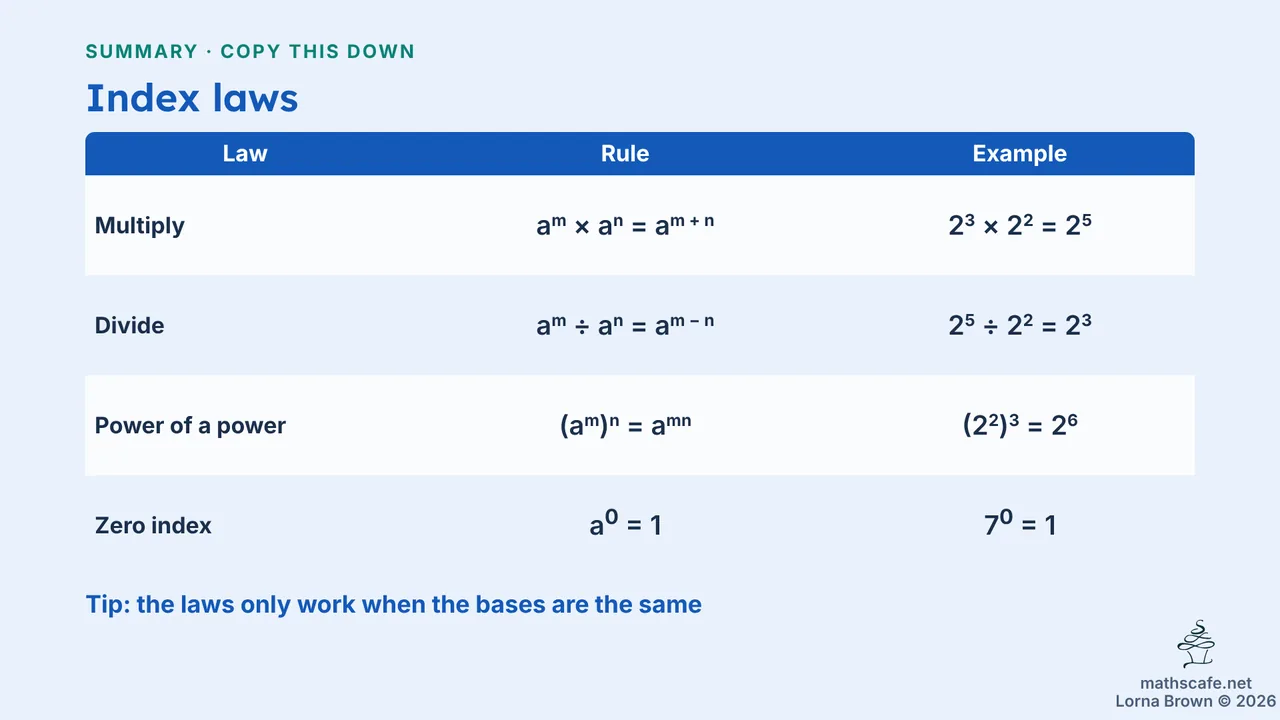
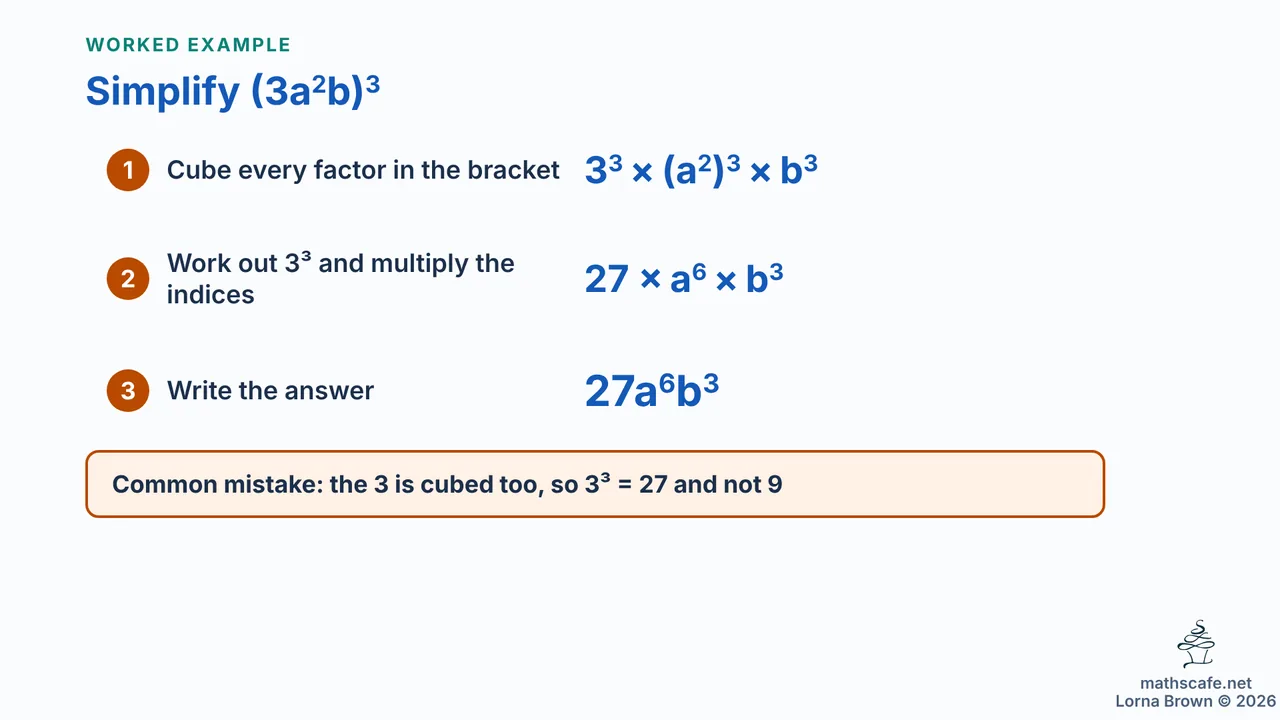
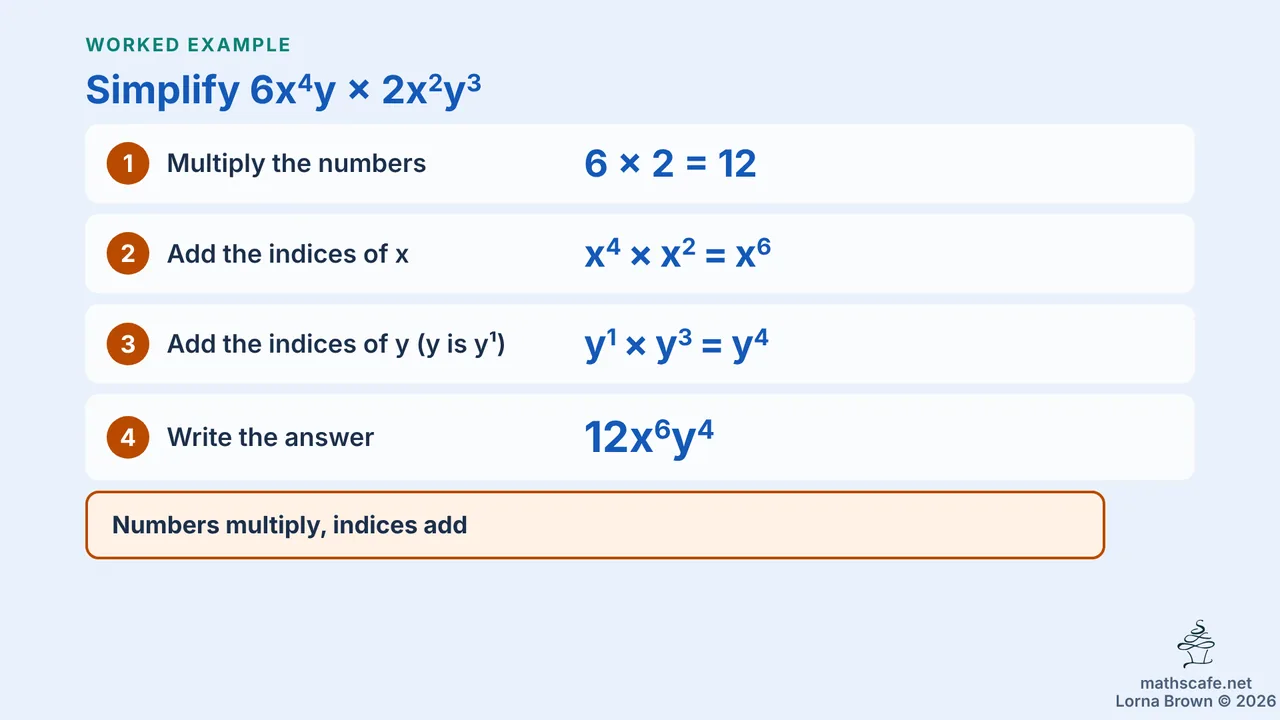
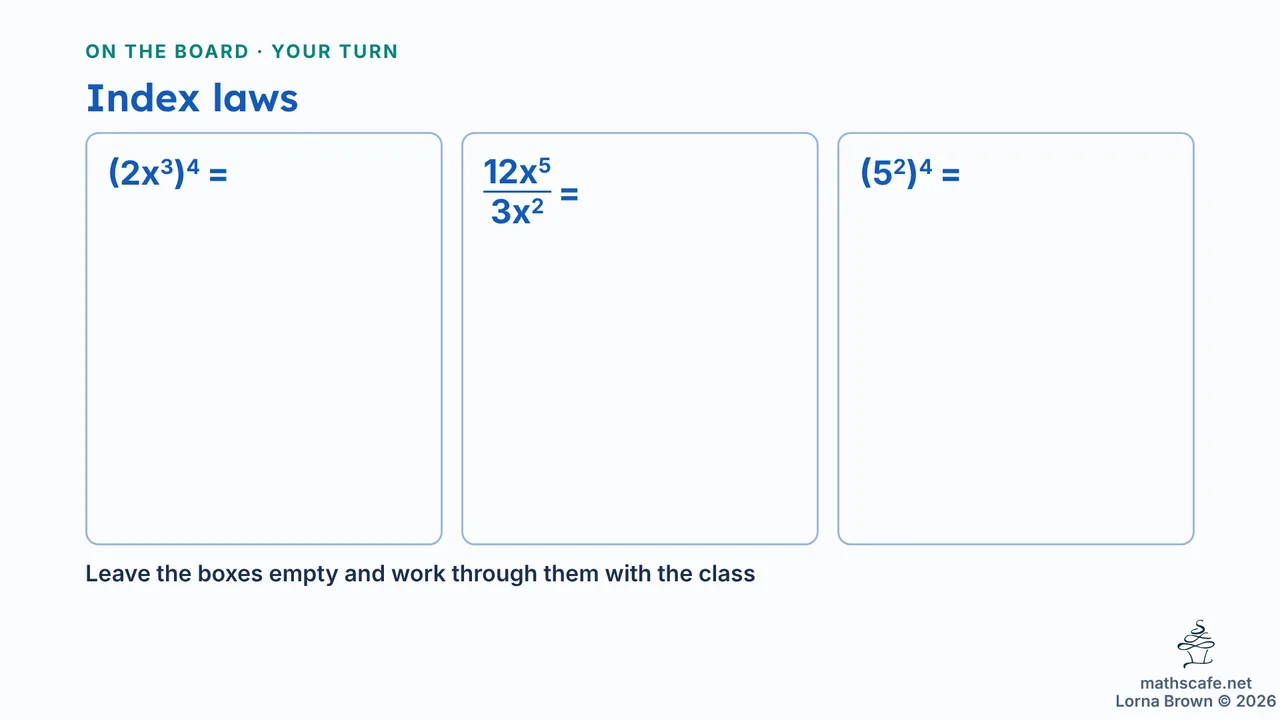
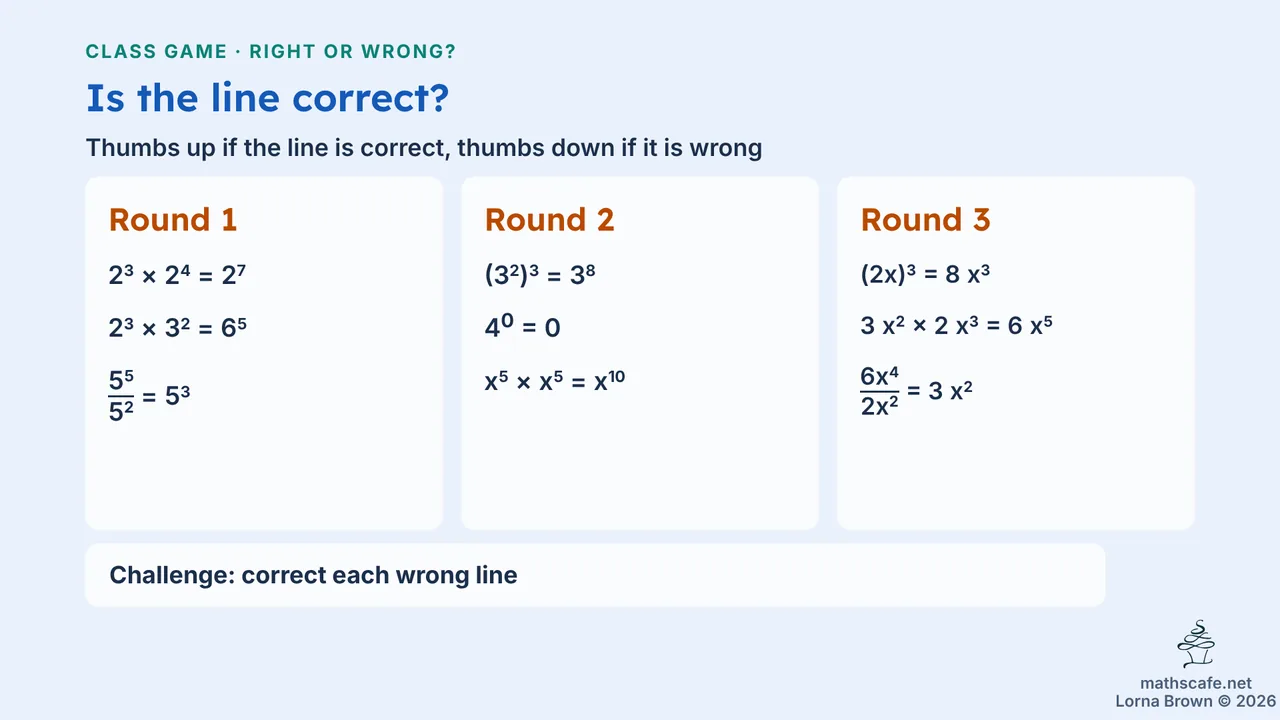
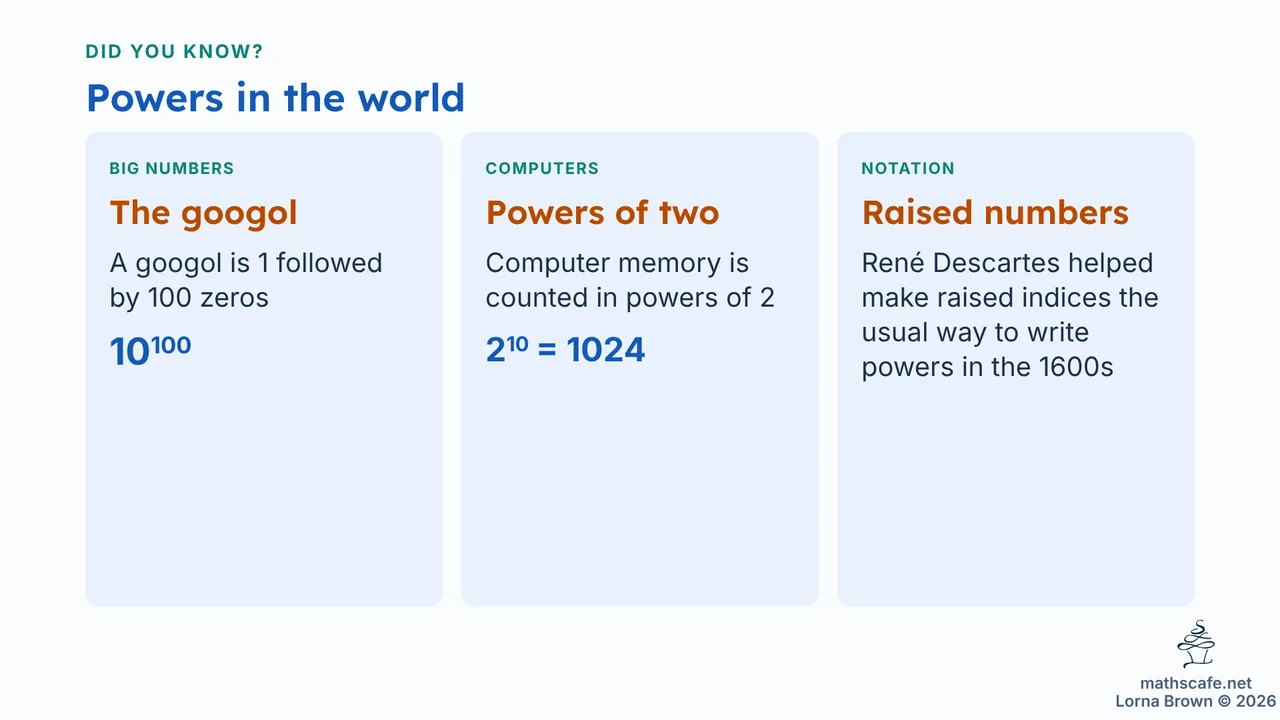
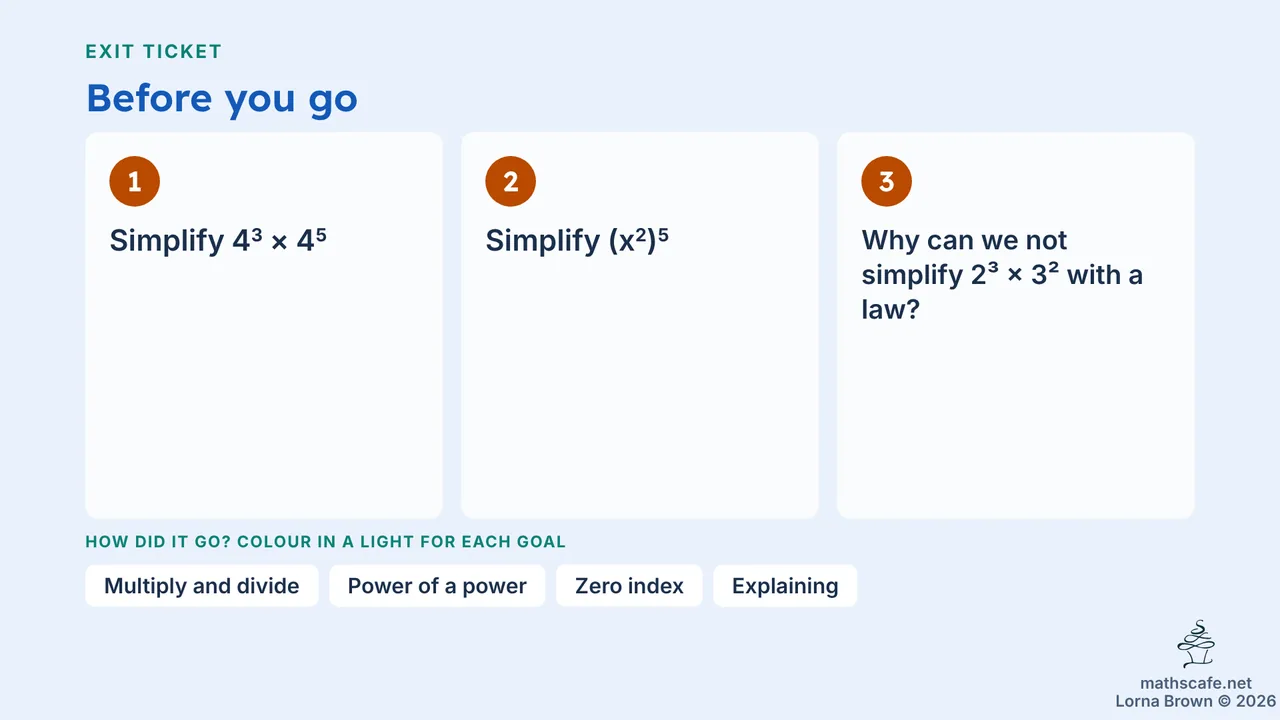
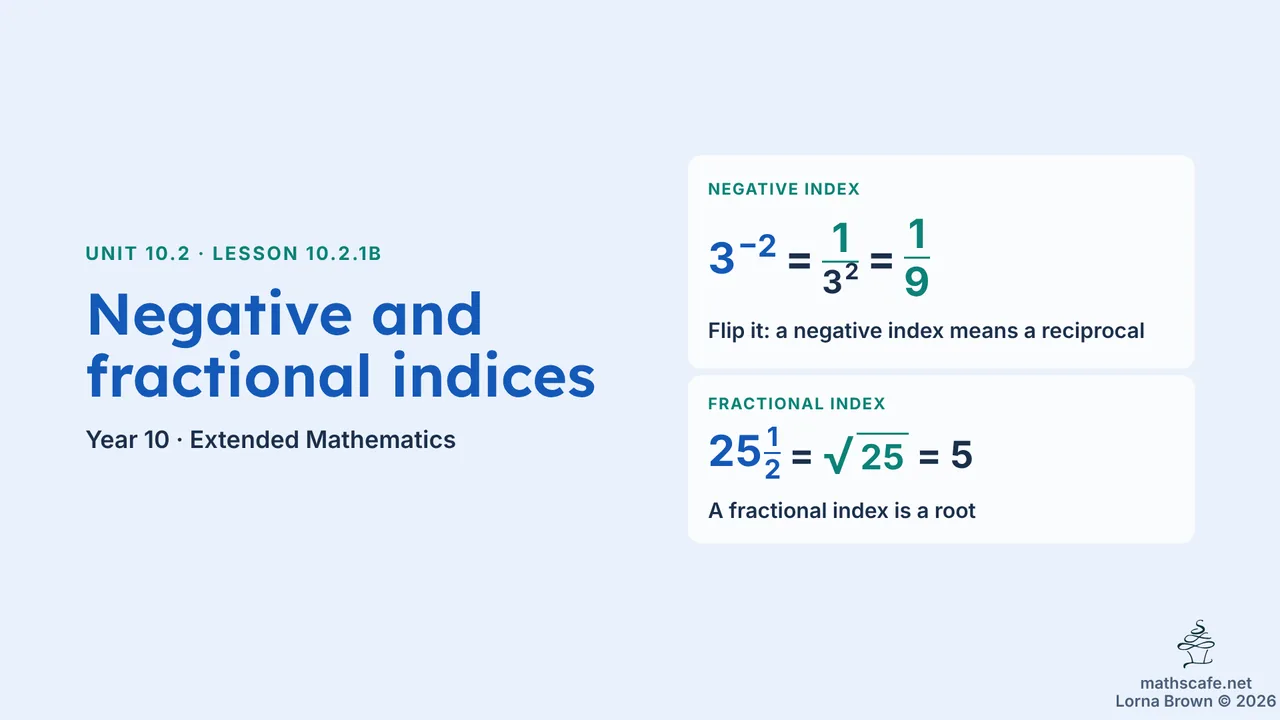
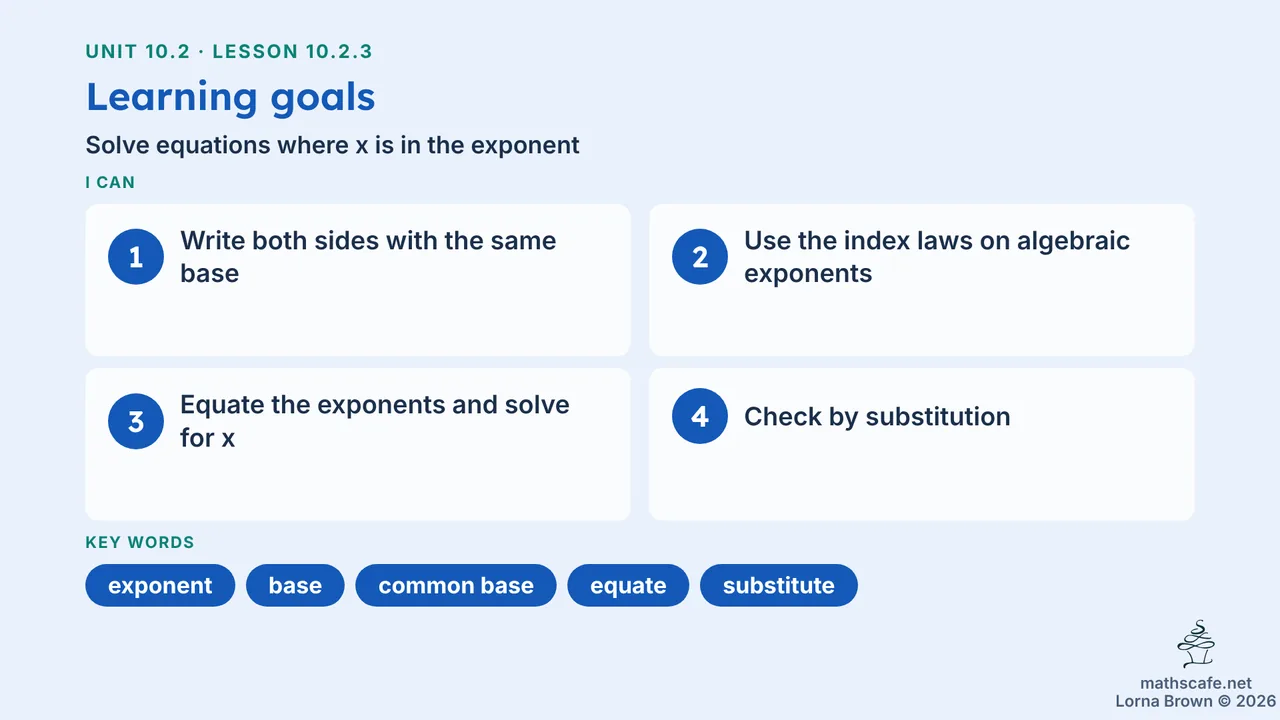
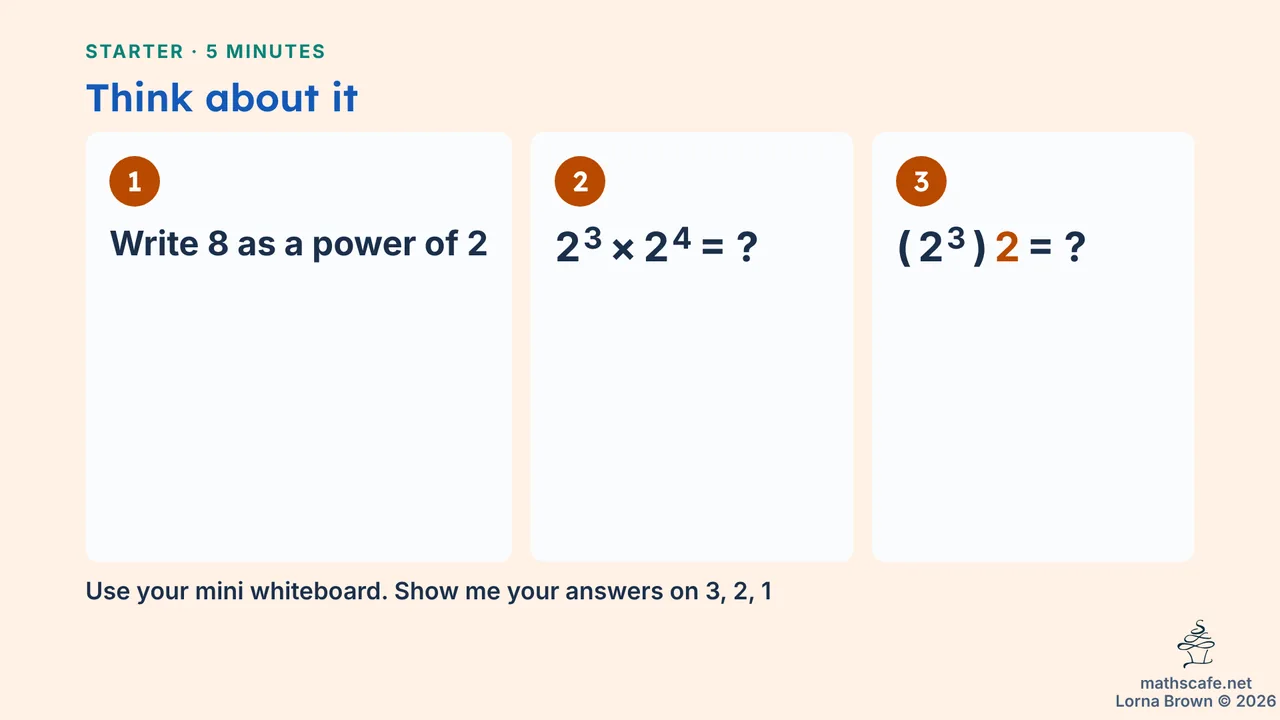
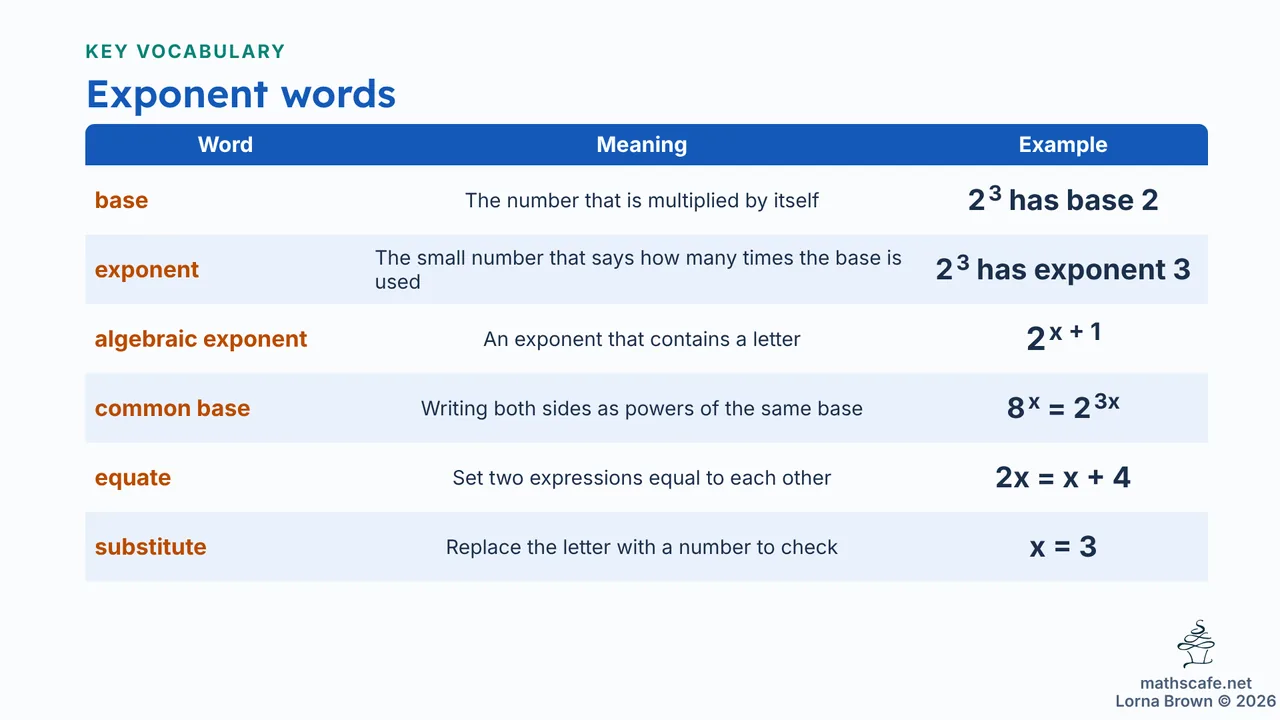
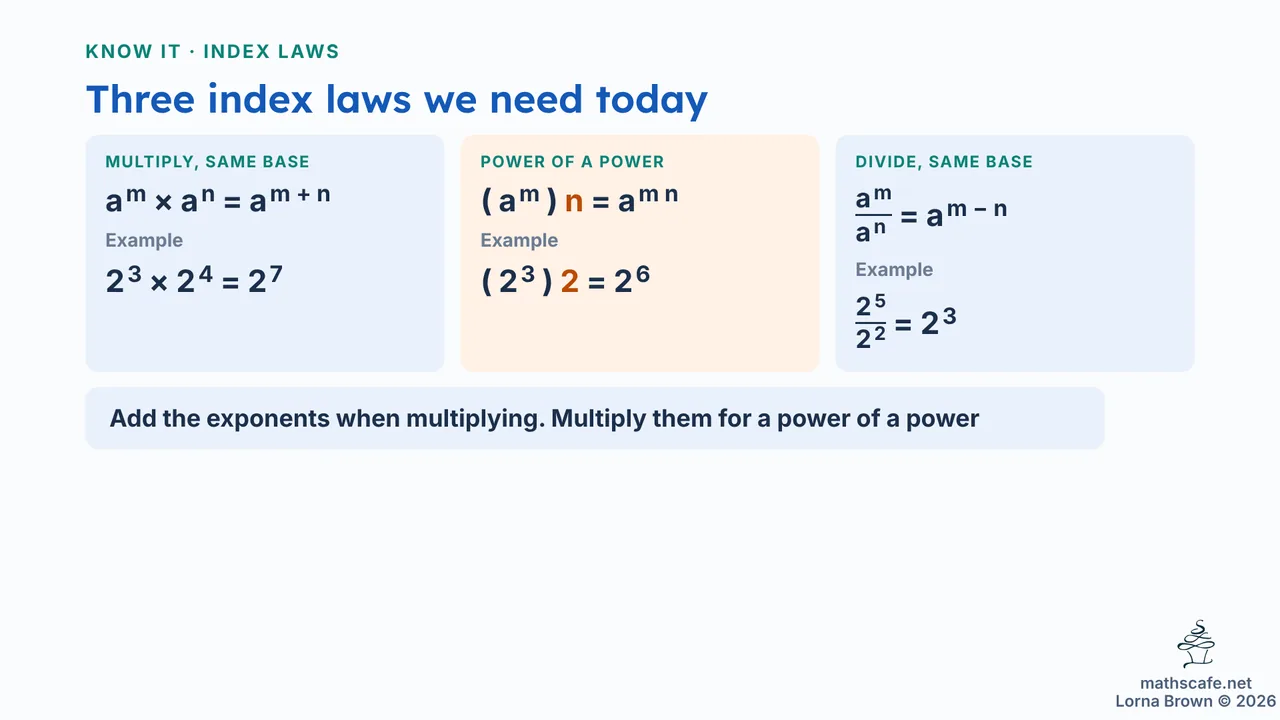
10.2 Exponents and Indices - under construction
10.2 Exponents and Indices - under construction
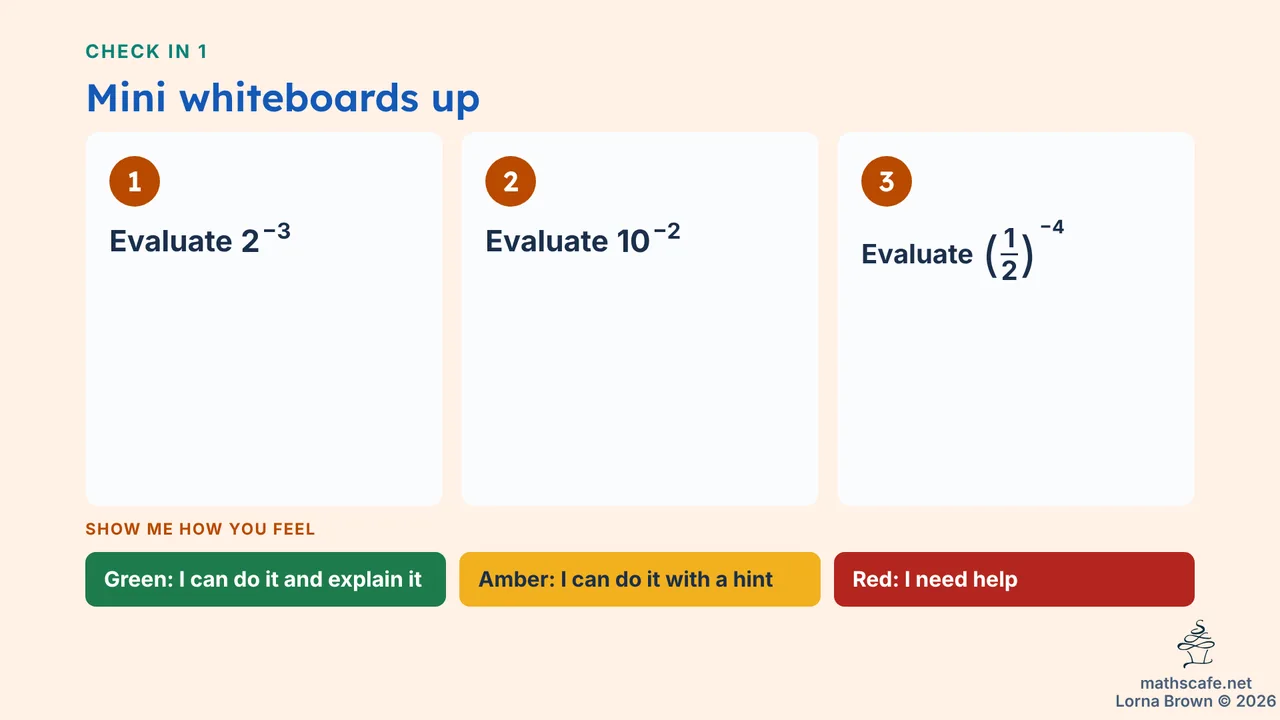
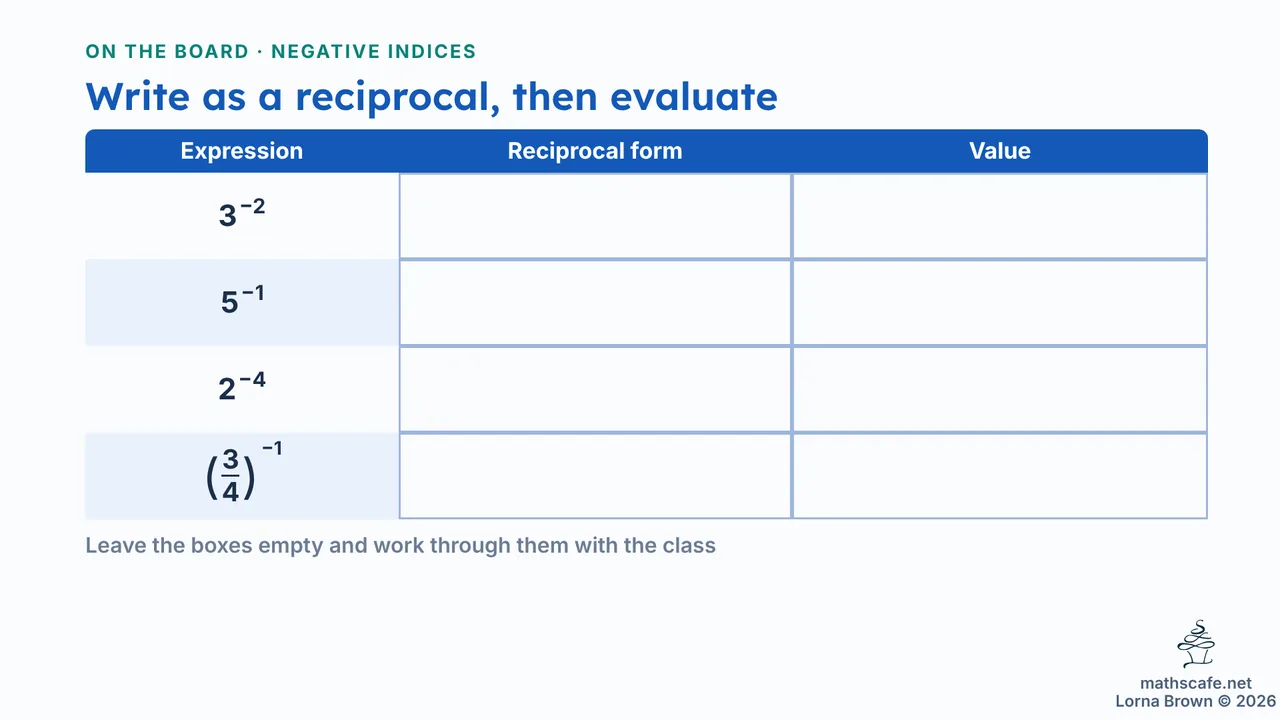
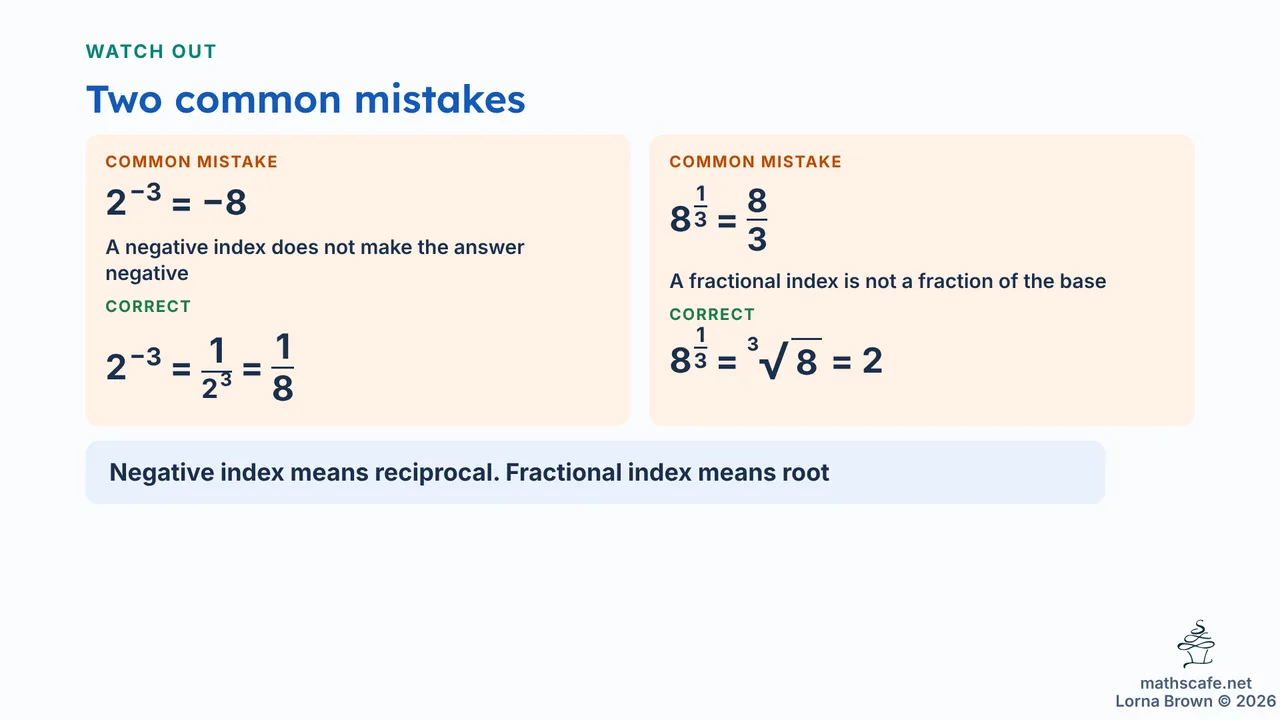
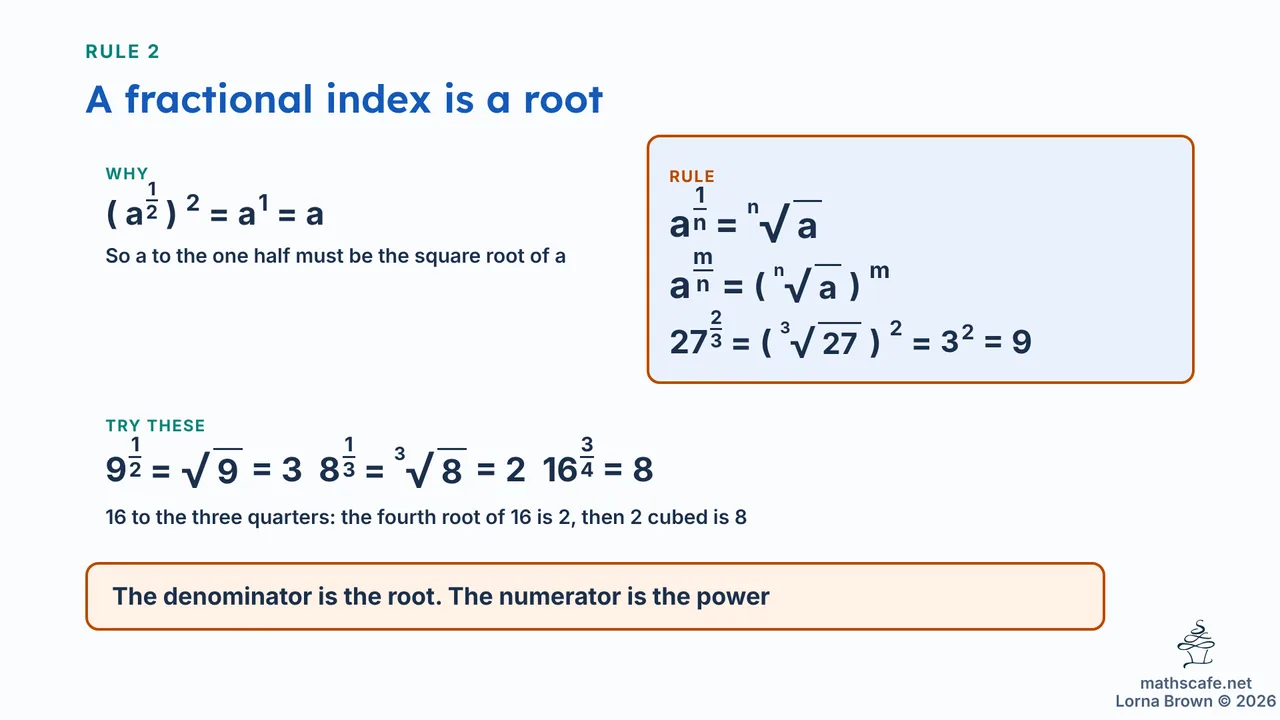
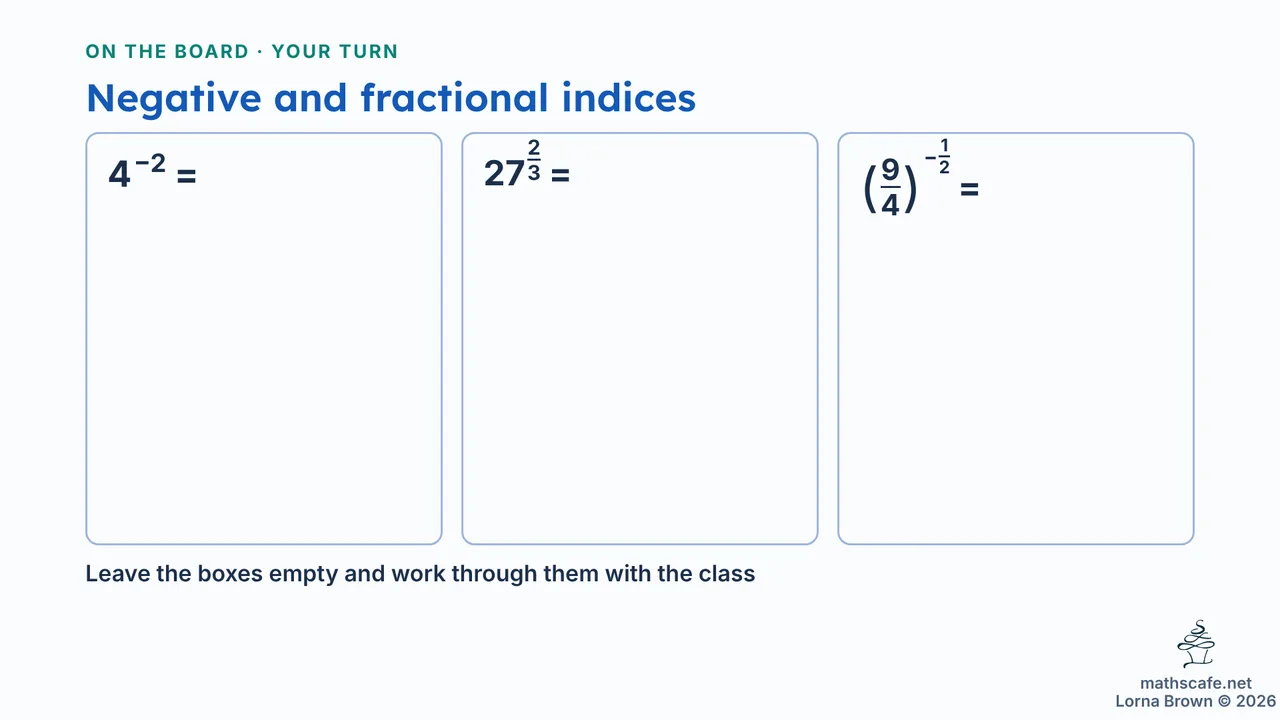
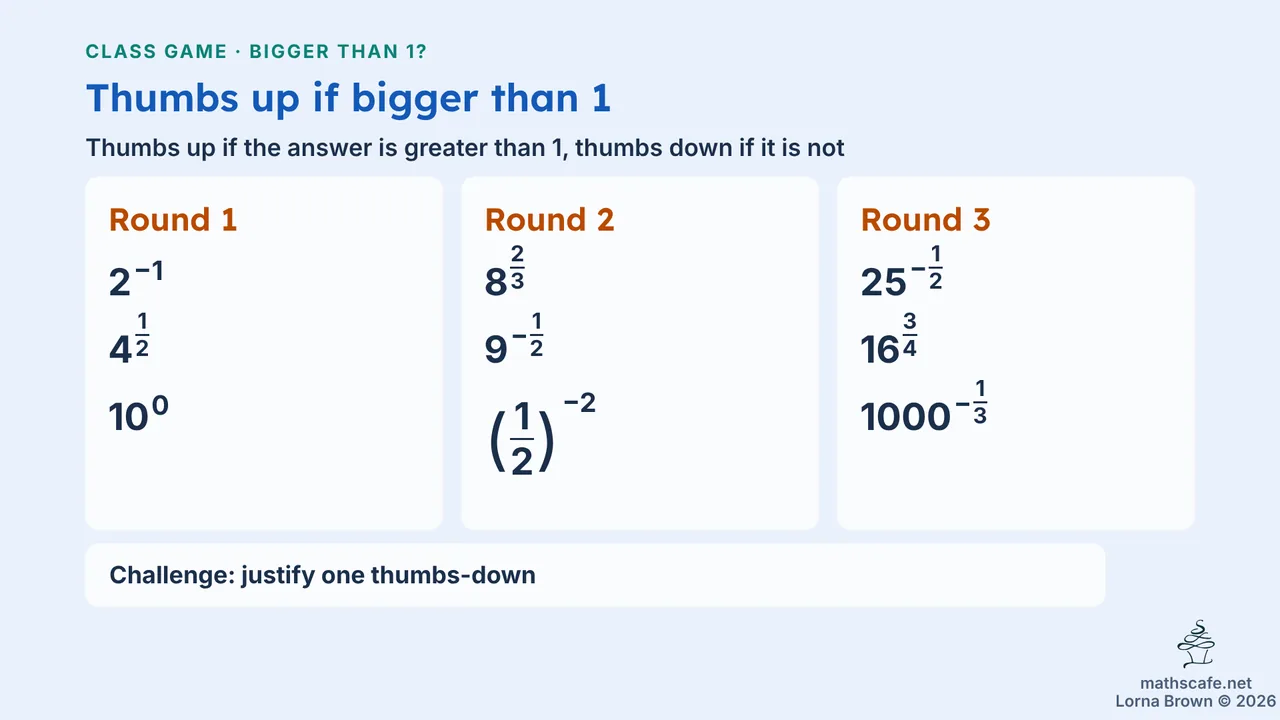
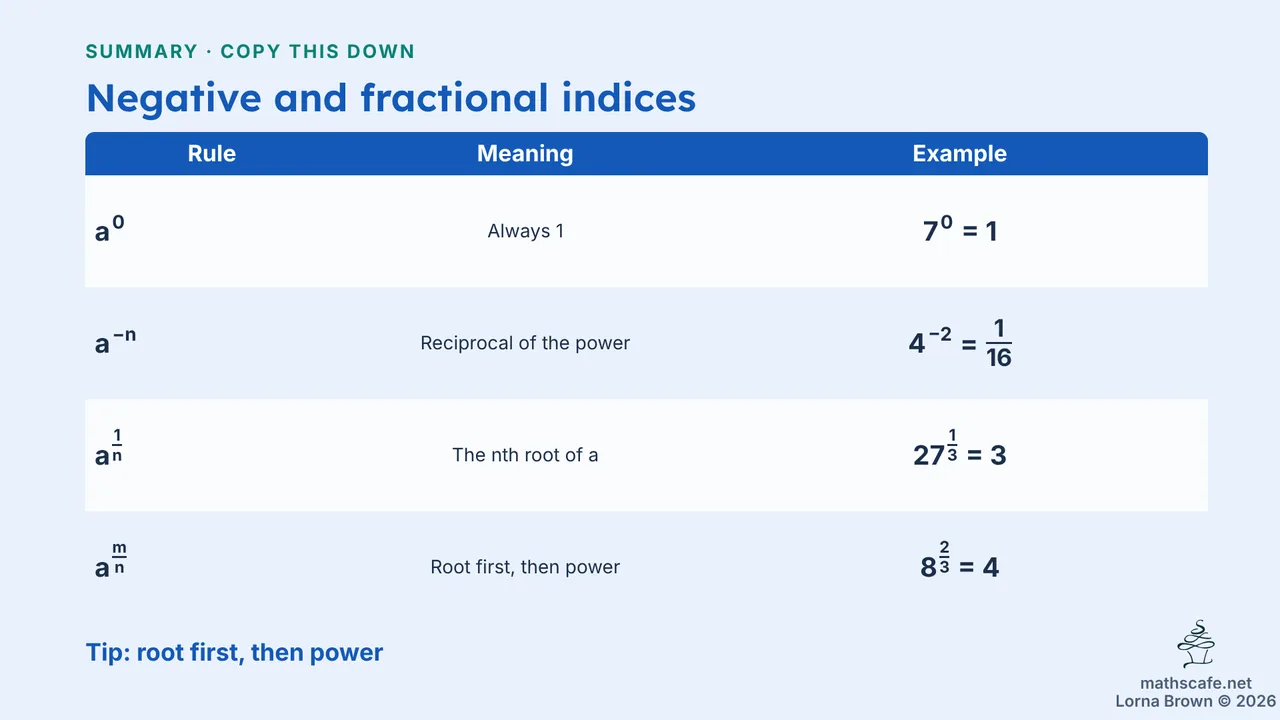
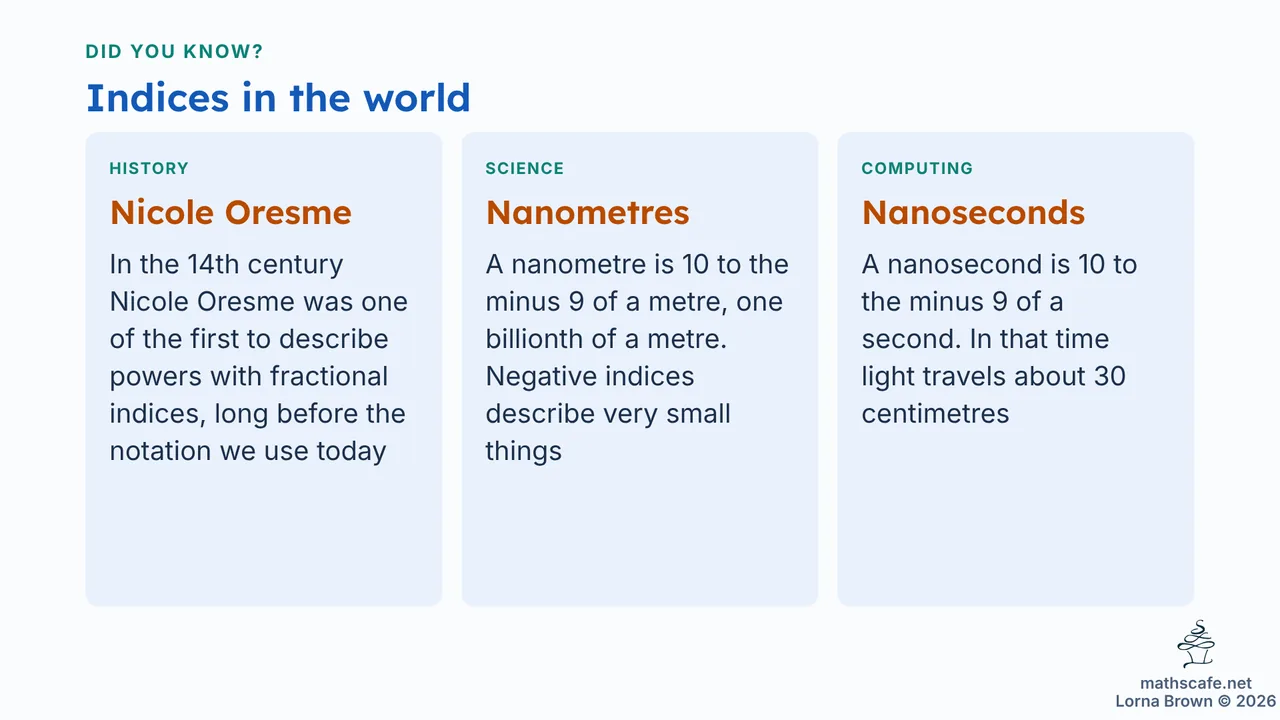
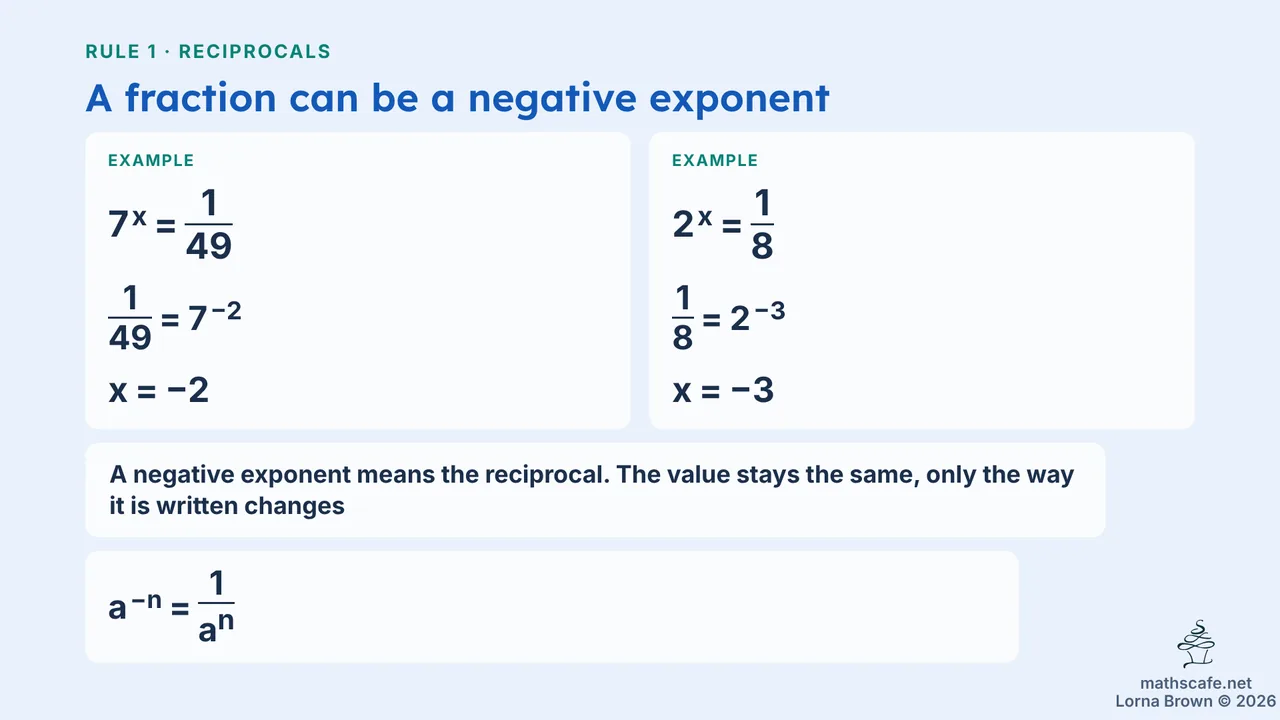
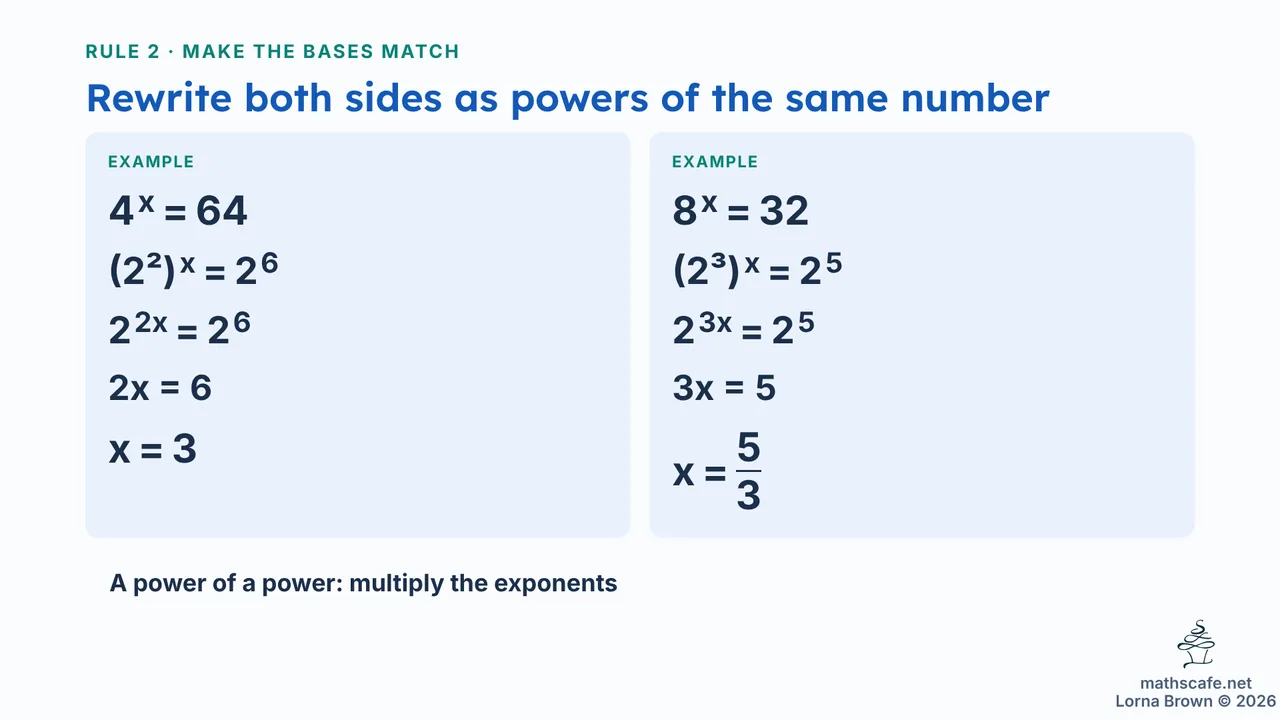
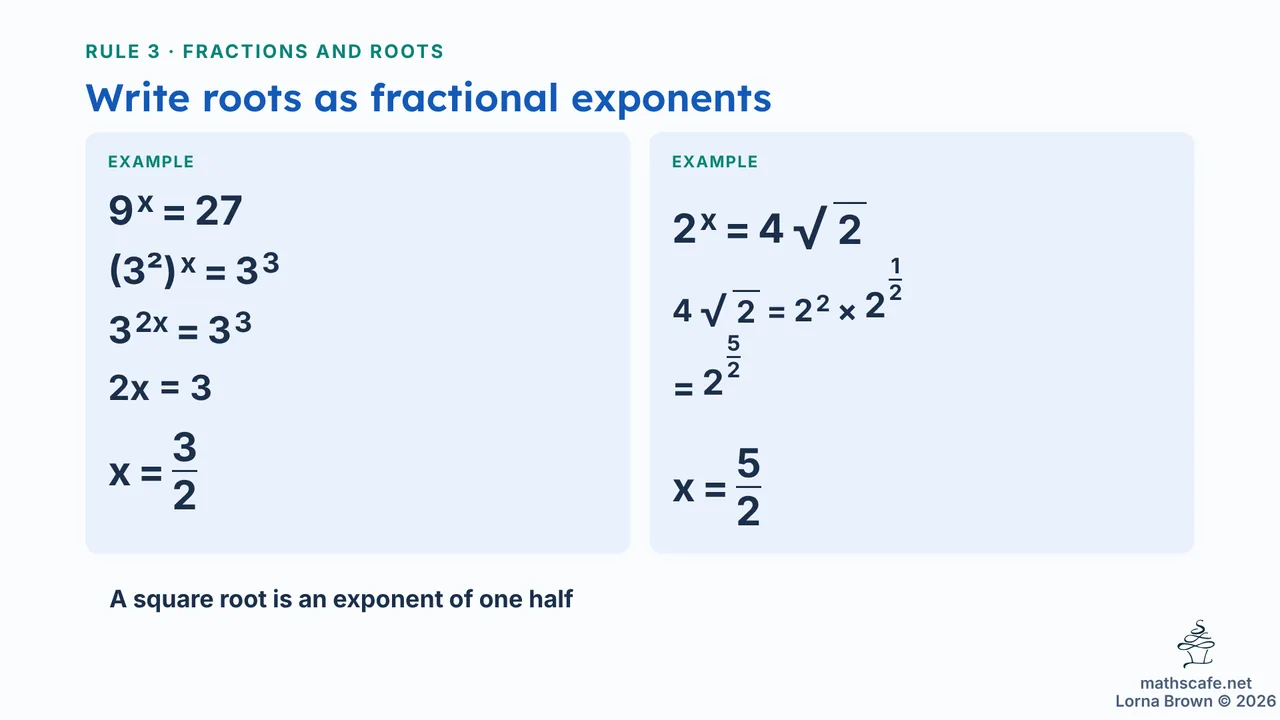
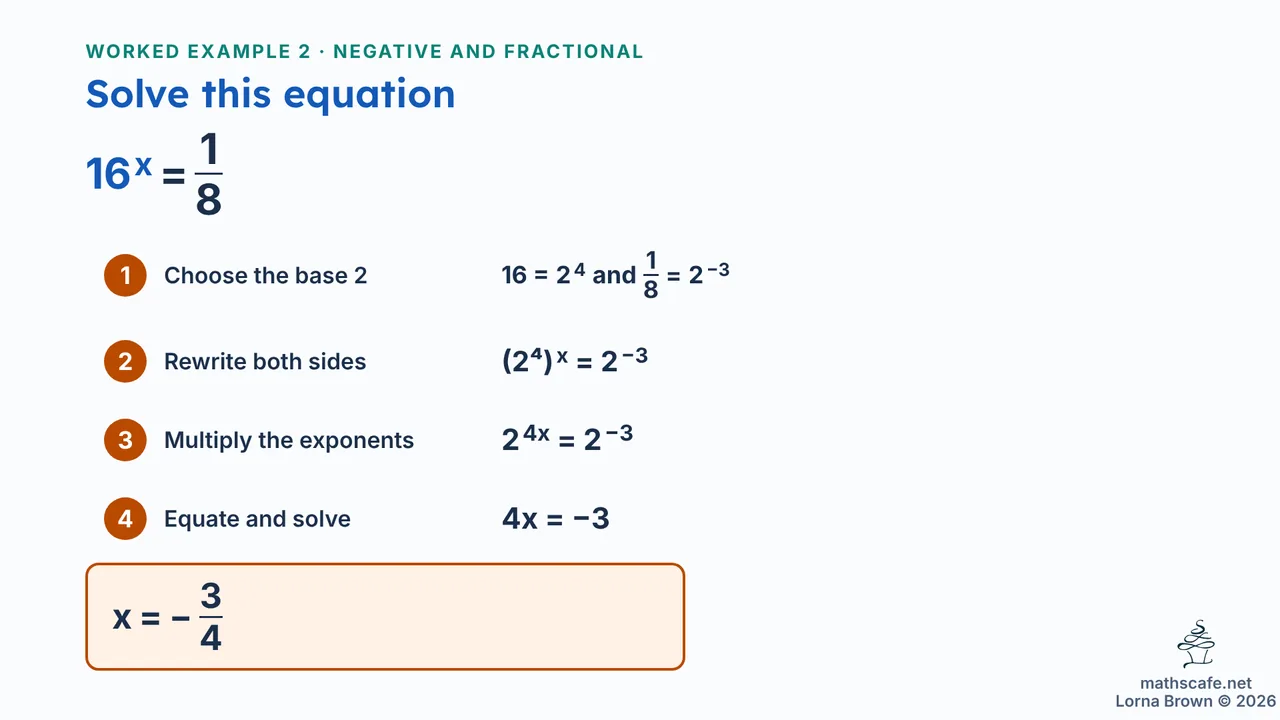
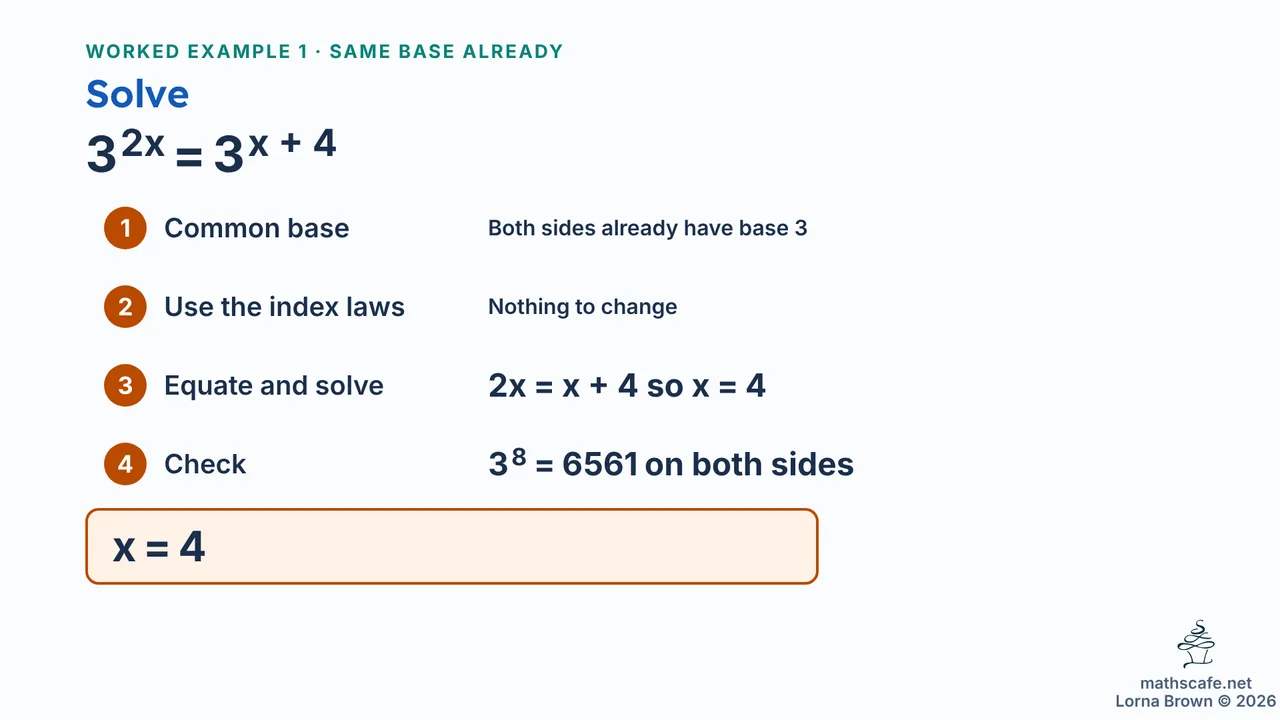
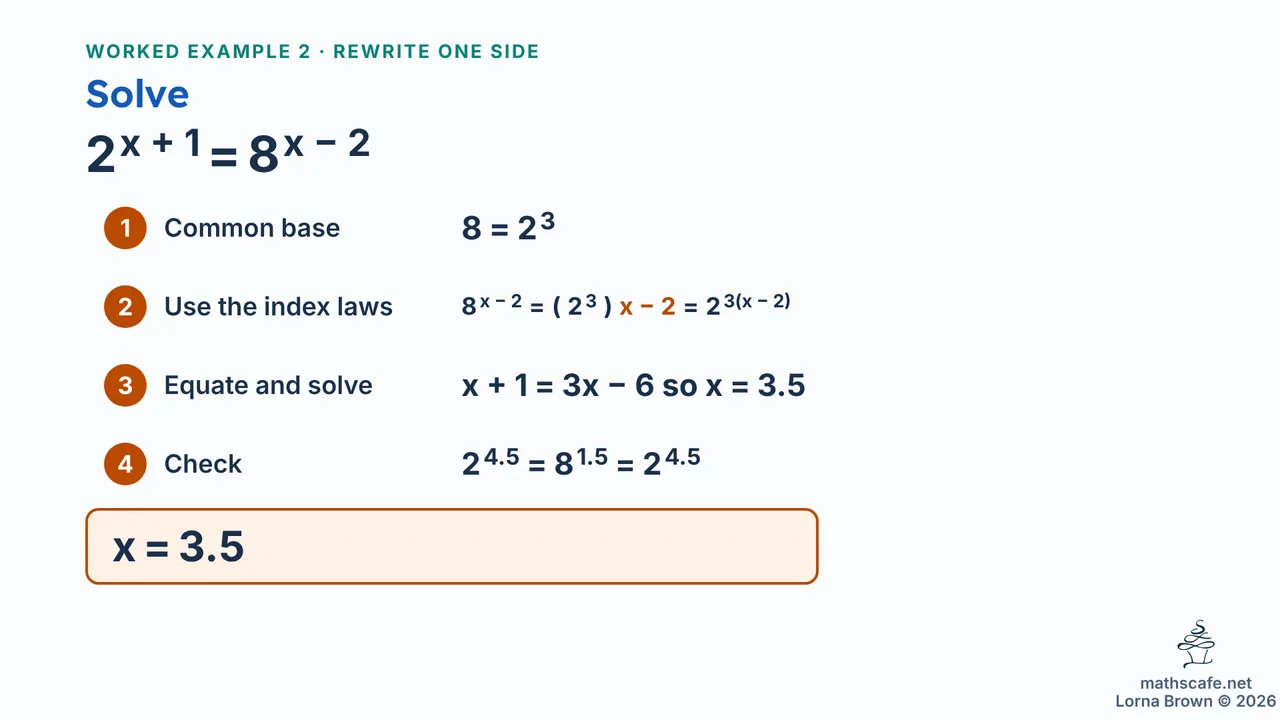
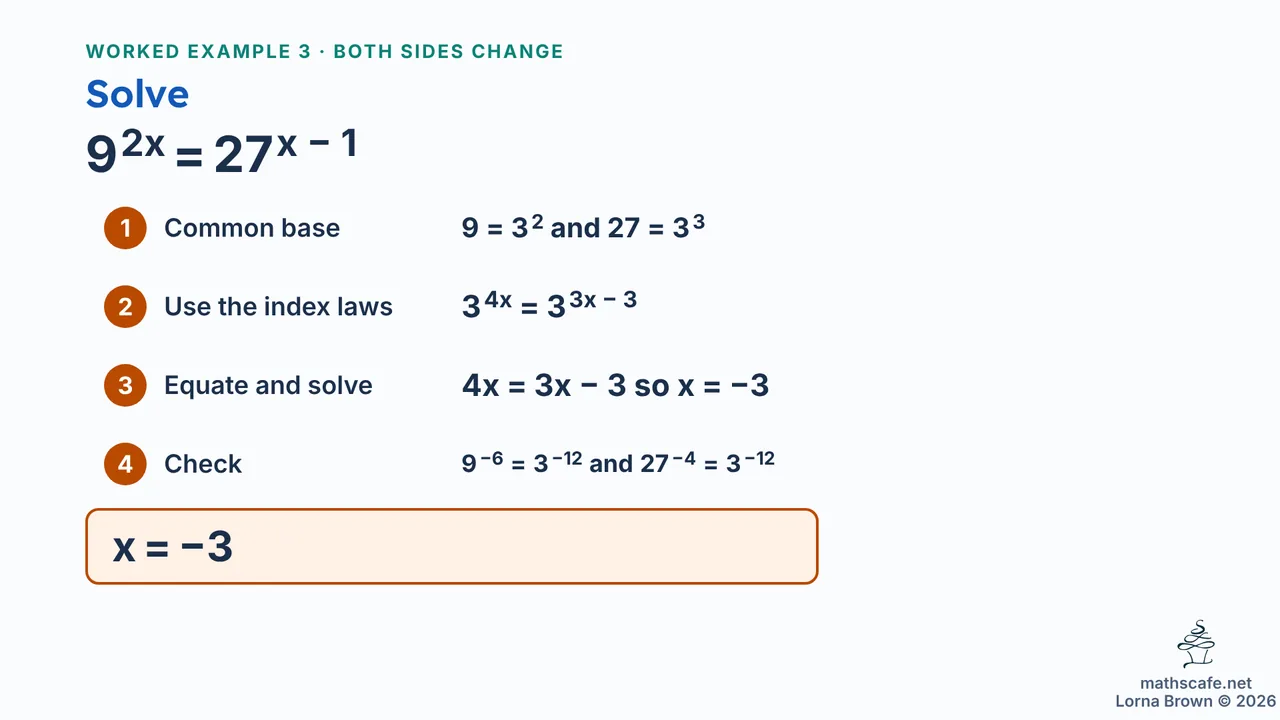
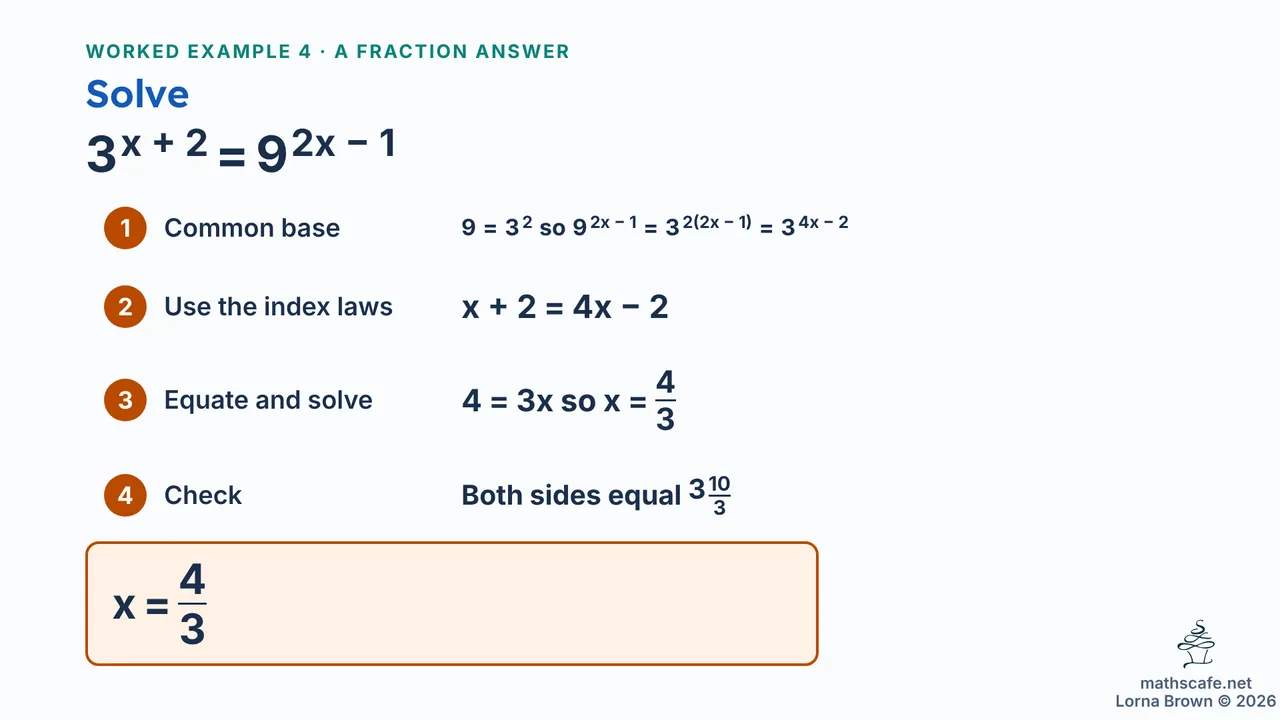
Statement of inquiry: Why keep an answer exact when a calculator gives a decimal?
Lessons in this unit
Approaches to learning
Communication
I can show my maths thinking clearly by setting out my work neatly and using maths symbols correctly.
I can explain my ideas in different ways, not just give an answer, but also explain why it works.
Self-management
I can use my time wisely and practise independently by choosing helpful resources to support my learning of mathematics.
Community engagement
- We build a classroom community where we help and support each other
- We share our methods and explain our thinking to each other, so that everyone learns
- We talk openly about maths anxiety and encourage each other to keep trying
- We learn from other students, and we can help others through peer tutoring
Global context and inquiry questions
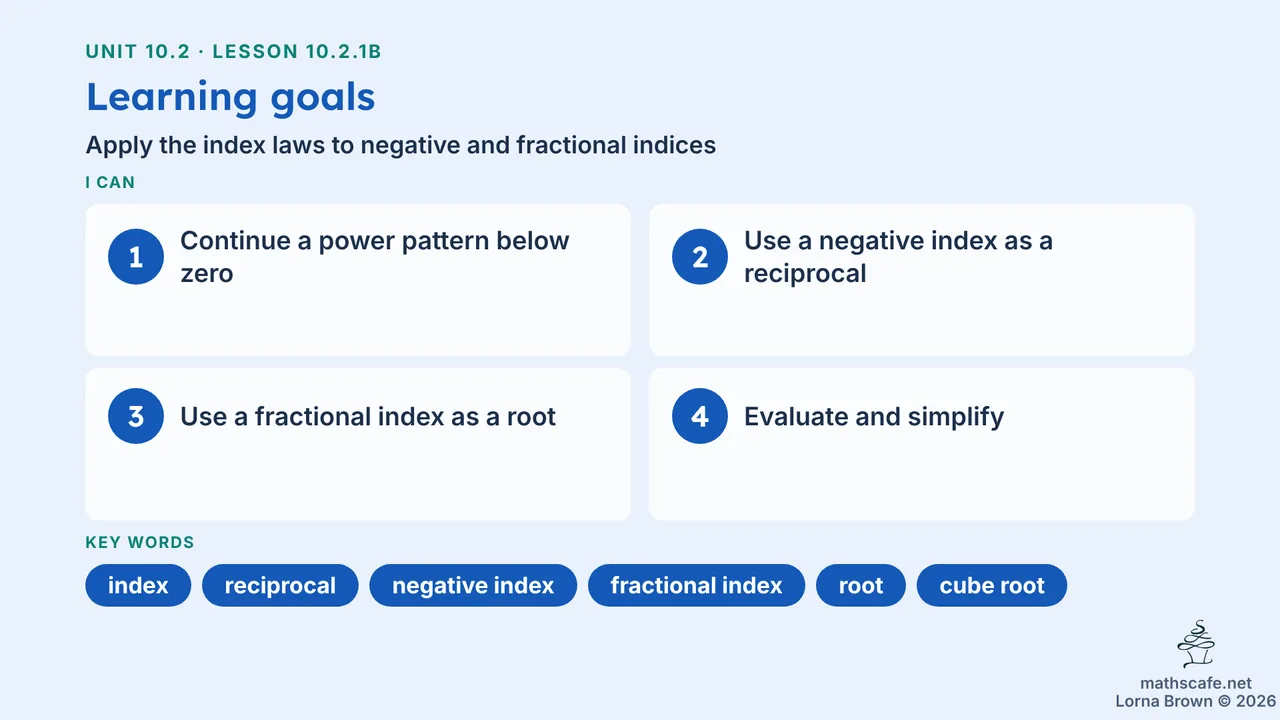
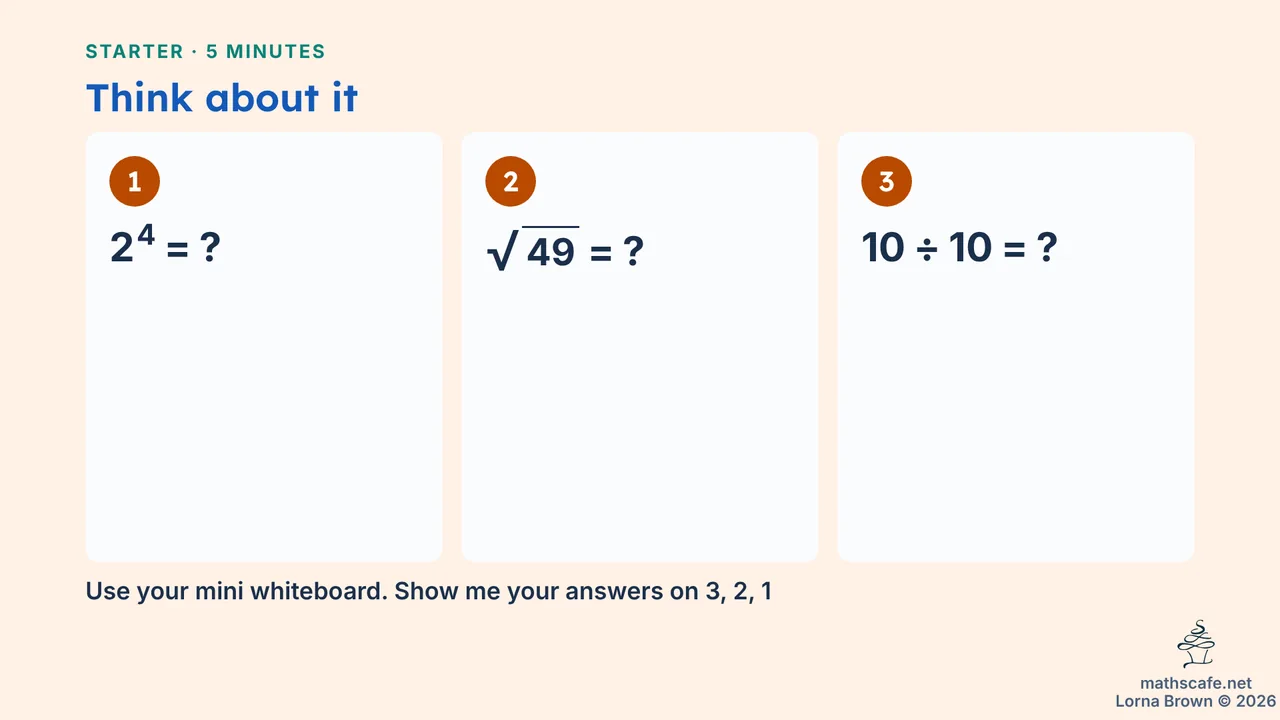
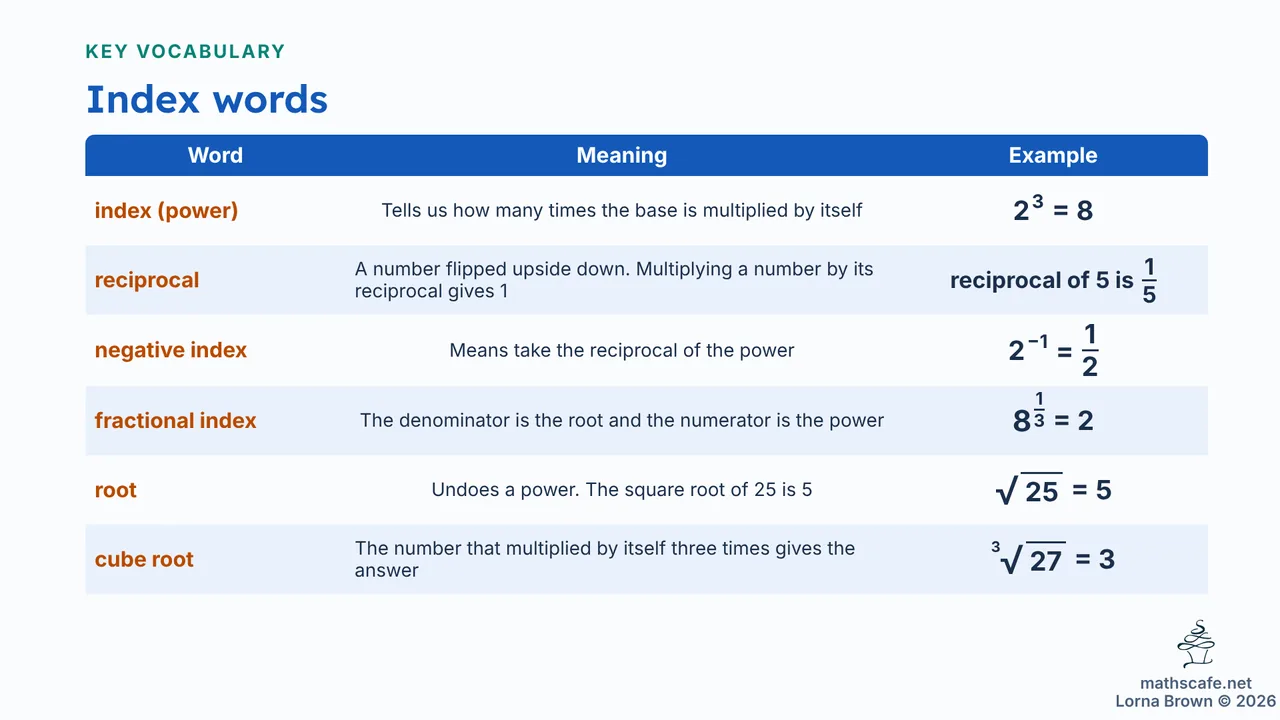
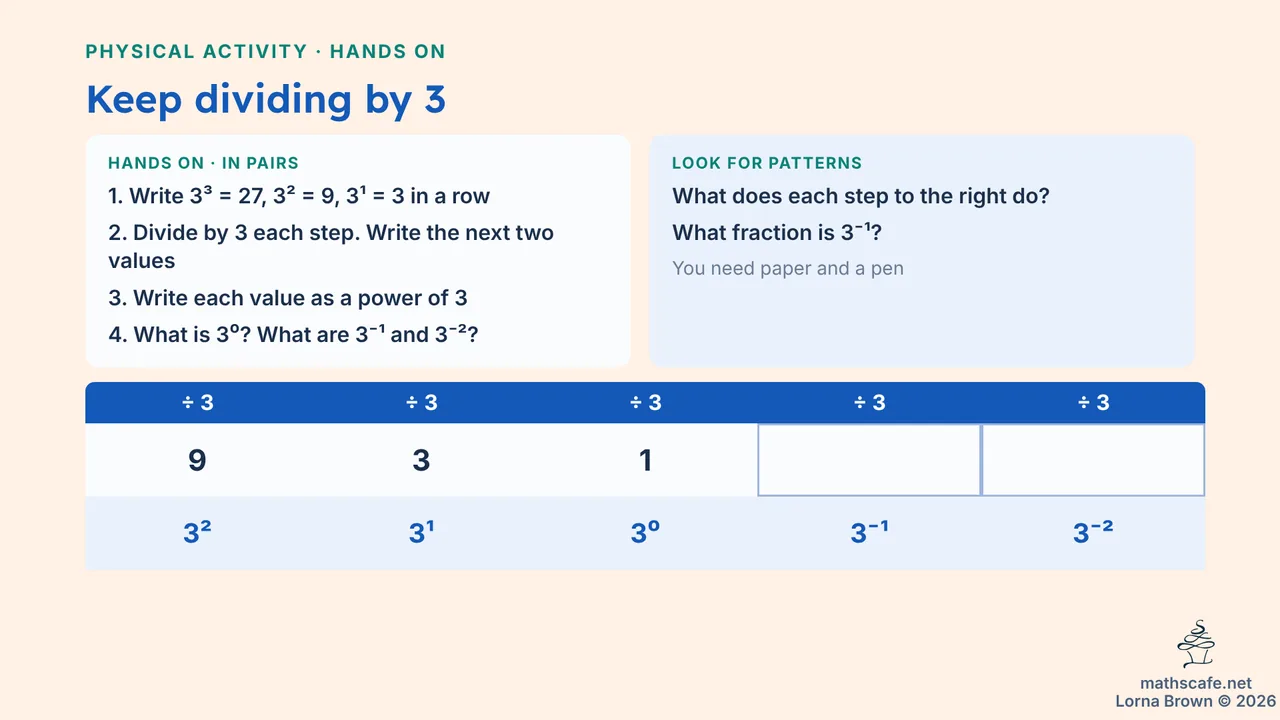
MYP assessment criteria
How assessment works
- There are 4 assessment criteria in the MYP
- Assessment dates are shared on ManageBac with at least 1 week's notice
- Assessments are marked and given back within 2 weeks
- You take your assessment home, complete an error analysis in green pen, get it signed by a parent or guardian and return it to your teacher
- You are assessed at least twice on each criterion during the year
Criterion marking
- Each criterion has 2 to 5 strands. You must meet each strand to reach a level
- To reach a level, you must also have met ALL the levels before it
The levels are shown at the start of each line. Level 1 is the lowest and level 8 is the highest
ACriterion A: Knowing and understandingKnow it and use it
Criterion A is usually given as a traditional maths test. You are assessed on 3 strands
You should be able to
- select appropriate mathematics when solving problems in both familiar and unfamiliar situations
- apply the selected mathematics successfully when solving problems
- solve problems correctly in a variety of contexts
Strand i The student is able to select appropriate mathematics when solving …
Strands ii and iii are the same at every level, because strand i is about how complex and how familiar the problems are
Strand ii The student is able to apply the selected mathematics successfully when solving these problems
Strand iii The student is able to generally solve these problems correctly in a variety of contexts
BCriterion B: Investigating patternsSpot it and explain it
Criterion B is usually an investigation that you are guided through, to explore a new pattern or idea. You are assessed on 3 strands, but strand iii is only assessed at levels 5 to 8
You should be able to
- select and apply mathematical problem-solving techniques to discover complex patterns
- describe patterns as general rules consistent with findings
- prove, or verify and justify, general rules
Strand i The student is able to …
Strand ii The student is able to …
Strand iii The student is able to …
CCriterion C: CommunicatingSay it clearly
Criterion C is usually assessed together with another criterion. You are assessed on 5 strands, but strand iii is only assessed at levels 5 to 8 and strand v is not assessed at levels 1 to 2
You should be able to
- use appropriate mathematical language (notation, symbols and terminology) in both oral and written explanations
- use appropriate forms of mathematical representation to present information
- move between different forms of mathematical representation
- communicate complete, coherent and concise mathematical lines of reasoning
- organise information using a logical structure
Strand i The student is able to …
Strand ii The student is able to …
Strand iii The student is able to …
Strand iv The student is able to …
Strand v The student is able to …
DCriterion D: Applying mathematics in real-life contextsUse it in real life
Criterion D is usually a problem to be solved using maths set in a real-world context. You think about both the maths and the context, with analysis. You are assessed on 5 strands, but strands iii, iv and v are not assessed at every level
You should be able to
- identify relevant elements of authentic real-life situations
- select appropriate mathematical strategies when solving authentic real-life situations
- apply the selected mathematical strategies successfully to reach a solution
- justify the degree of accuracy of a solution
- justify whether a solution makes sense in the context of the authentic real-life situation
Strand i The student is able to …
Strand ii The student is able to …
Strand iii The student is able to …
Strand iv The student is able to …
Strand v The student is able to …
Approaches to learning
Approaches to learning (ATL) are the skills that help you learn anything, in maths and everywhere else. The MYP groups them into five categories, and we practise them in every unit.
Thinking
Ask what if
Critical thinking, creative thinking and transfer.
Spot patterns and connections, ask what if, and use an idea you learned in one place to solve a problem somewhere new.
Communication
Share your ideas
Sharing ideas clearly, in different ways.
Show your maths thinking clearly by setting out your work neatly and using maths symbols correctly. Explain your ideas in different ways, not just the answer but why it works.
Social
Work with others
Working well with others.
Work with a partner or group, listen to other methods, and explain your thinking to help someone else.
Self-management
Keep going, reflect
Organisation, staying positive and reflecting.
Use your time wisely and practise independently by choosing helpful resources, such as videos and worked examples. Keep going when it is hard, and reflect on what to do differently.
Research
Find and check
Finding and using information well.
Find useful examples and explanations, check where they come from, and decide whether they are reliable.
The IB learner profile
IB learners strive to be:
Inquirers
We nurture our curiosity, developing skills for inquiry and research. We know how to learn independently and with others. We learn with enthusiasm and sustain our love of learning throughout life.
Knowledgeable
We develop and use conceptual understanding, exploring knowledge across a range of disciplines. We engage with issues and ideas that have local and global significance.
Thinkers
We use critical and creative thinking skills to analyse and take responsible action on complex problems. We exercise initiative in making reasoned, ethical decisions.
Communicators
We express ourselves confidently and creatively in more than one language and in many ways. We collaborate effectively, listening carefully to the perspectives of other individuals and groups.
Principled
We act with integrity and honesty, with a strong sense of fairness and justice, and with respect for the dignity and rights of people everywhere. We take responsibility for our actions and their consequences.
Open-minded
We critically appreciate our own cultures and personal histories, as well as the values and traditions of others. We seek and evaluate a range of points of view, and we are willing to grow from the experience.
Caring
We show empathy, compassion and respect. We have a commitment to service, and we act to make a positive difference in the lives of others and in the world around us.
Risk-takers
We approach uncertainty with forethought and determination; we work independently and cooperatively to explore new ideas and innovative strategies. We are resourceful and resilient in the face of challenges and change.
Balanced
We understand the importance of balancing different aspects of our lives (intellectual, physical and emotional) to achieve well-being for ourselves and others. We recognise our interdependence with other people and with the world in which we live.
Reflective
We thoughtfully consider the world and our own ideas and experience. We work to understand our strengths and weaknesses in order to support our learning and personal development.
Useful links
- Dr Frost Maths (opens in a new tab) · Used in lessons and for homework. Log in with your own account
- MyiMaths (opens in a new tab) · Used in lessons and for homework. Log in with your own account
- Desmos graphing calculator (opens in a new tab) · Free graphing tool that runs in the browser
- GeoGebra graphing (opens in a new tab) · Free graphing and geometry tool
- Transum Mathematics (opens in a new tab) · Free interactive activities, puzzles and a Starter of the Day. Some features need a subscription
- Corbettmaths (opens in a new tab) · Videos, worksheets and 5-a-day practice. Books and revision cards are sold separately